
Shrubs
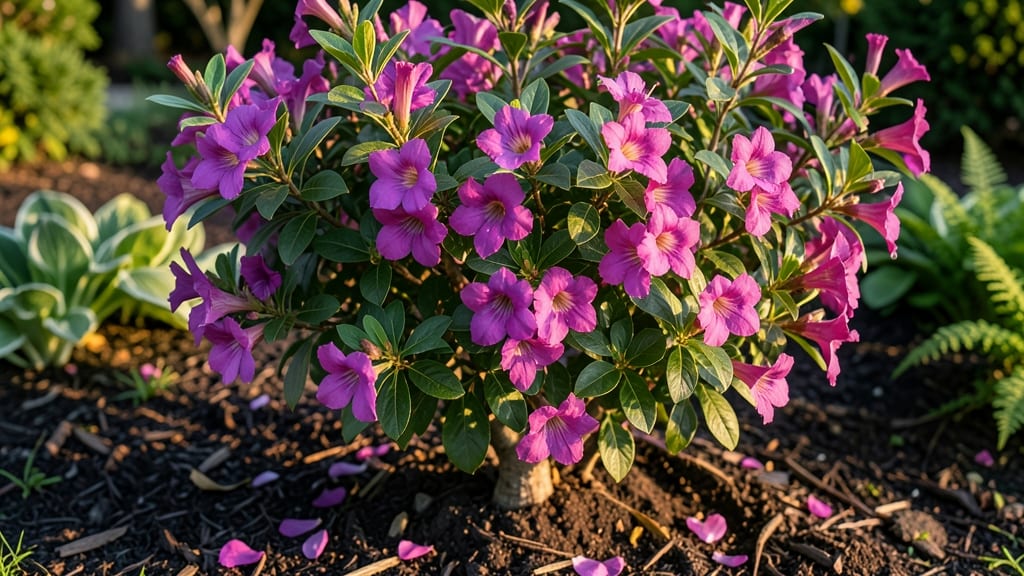
Mastering the purple flowering shrubs identification can turn your garden into a vibrant masterpiece. 🌿 These plants bring drama with their rich hues—think deep plums, lavender, and violet—each with its own personality and blooming time.
The trick is matching them to your space, whether it's a sun-drenched border or a shady woodland edge.
Start with the seasonal clues: early spring's weigela bursts with pink-purple blooms, while butterfly bush (buddleia) waits until summer to dazzle pollinators. Lilacs (yes, they come in purple!) steal the show in May, while crape myrtle delivers late-summer drama with its fragrant clusters.
Each has unique leaf shapes—some fuzzy, others glossy—that help narrow down the options.
Once you spot the right shrub, the fun begins: pair purple abelia with silver foliage for contrast, or tuck hydrangeas near a patio where their blooms change with soil pH. The best part?
These shrubs thrive with minimal fuss—just prune after flowering and watch them reward you with years of color.
Pro tip: snap a photo of the leaves, flowers, and buds to compare against our visual guide. That way, you'll never second-guess which purple beauty belongs in your garden. Let's get identifying!
📚 In This Guide
- What you need
- Instructions
- Tips and common mistakes
- Wrapping up and next steps
What you need
- ● Field Guide or Smartphone: A printed visual guide (like this article!) or a reliable app (e.g., PictureThis or PlantSnap) for real-time plant ID.
- ● Magnifying Glass: A 10x handheld loupe to inspect flower structures, leaf veins, and stem textures.
- ● Notebook & Pen: A small, waterproof notebook to jot down observations (e.g., flower shape, leaf arrangement, height).
- ● Ruler or Measuring Tape: A 12-inch metal ruler or flexible tape to record shrub height and spacing.
- ○ Camera (Optional but Helpful): A smartphone with a macro mode or a basic digital camera for close-up shots of flowers, buds, and bark.
- ● Pruning Shears: Bypass-style shears (for safe sampling if needed).
- ● Gloves: Lightweight gardening gloves to protect hands from thorns or sap.
- ● Field Press (or Heavy Book): A plant press kit or a thick book to flatten leaf samples for later reference.
- ● pH Test Kit: A soil pH tester to check growing conditions (some purple shrubs prefer acidic soil!).
- ● Local Planting Guide: A regional native plant database (e.g., Northwest Center for Native Plant Conservation) for context.
Visual identification guide for purple flowering shrubs
Here's how to recognize these stunning plants by leaf shape, bloom timing, and growth habit—no botanist degree required.
🌿 Step 1: Examine Leaf Shape and Arrangement
Start with the foliage—it's your first clue. Purple-flowering shrubs like Weigela have large, oval leaves arranged alternately along stems, while Butterfly Bush (Buddleia) sports narrower, lance-shaped leaves in whorls. Crapemyrtle leaves are smooth-edged and glossy, often with a reddish tint before blooming.
Pay attention to leaf edges: Smokebush (Cotinus) has finely serrated leaves that turn fiery red in fall, while Lilac (Syringa) leaves are smooth with a slightly waxy finish. If leaves are fuzzy or silvery, you're likely looking at Abelia—a dead giveaway for this heat-tolerant shrub.
☀️ Step 2: Observe Flower Cluster Patterns
Purple blooms come in distinct arrangements: Lilac sports dense, pyramid-shaped clusters, while Butterfly Bush produces long, conical spikes that attract pollinators. Weigela flowers grow in loose, trumpet-shaped clusters along stems, often with yellow throats.
Note bloom size: Crapemyrtle has smaller, clustered flowers with papery bracts, while Smokebush produces feathery, smoke-like plumes. If you see single, trumpet-shaped flowers, it's probably Abelia—though some varieties have clusters. Always check for flower attachment: Lilac blooms grow at stem tips, while Butterfly Bush flowers emerge along current year's growth.
🌸 Step 3: Check Bloom Timing and Seasonal Behavior
Timing narrows it down dramatically. Lilacs bloom in late spring, their fragrance signaling the season's change. Weigela flowers appear in early summer and often rebloom in fall. Butterfly Bush puts on its best show in midsummer, while Crapemyrtle blooms late summer to early fall.
Look for seasonal foliage changes: Smokebush leaves turn brilliant red or orange in autumn, while Abelia maintains its purple-tinged foliage year-round. If you spot a shrub with purple flowers in winter, it's likely Winter Daphne (Daphne odora), though it's less common in most landscapes.
🪴 Step 4: Assess Growth Habit and Size
Mature size gives major clues. Butterfly Bush can reach 10-15 feet tall and wide, while Lilac typically stays 6-10 feet tall. Weigela grows 5-8 feet tall with arching branches, while Crapemyrtle reaches 10-20 feet depending on the variety.
Examine branch structure: Smokebush has a rounded, multi-stemmed form, while Abelia grows as an upright, multi-branched shrub. If you see a shrub with a single, upright trunk, it's probably a Crapemyrtle or Winter Daphne. Always check for thorns: Lilac has none, while some Weigela varieties develop small thorns on young stems.
⏰ Step 5: Note Fragrance and Additional Features
Fragrance is a game-changer. Lilac blooms are intensely fragrant, while Weigela flowers have a mild, sweet scent. Butterfly Bush is nearly scentless, but its flowers attract butterflies and hummingbirds in droves. Abelia produces small, tubular flowers with a faint, pleasant fragrance.
Check for unique features: Crapemyrtle has distinctive exfoliating bark that peels in papery layers, while Smokebush produces feathery seed heads that persist into winter. If you see a shrub with small, red berries, it's likely Winter Daphne—though these are often removed by birds before they ripen.
Tips & tricks for mastering purple flowering shrubs identification
Confession: I used to mix up Weigela and Butterfly Bush until I learned these key tricks—here's how to tell them apart instantly.
Leaf Texture is Your First Clue: When examining leaves in Step 1, pay special attention to surface texture. Abelia leaves are the giveaway—they're fuzzy or silvery, while Lilac leaves have a smooth, almost waxy finish. I learned this the hard way after misidentifying a fuzzy-leaved shrub as Crapemyrtle for years. Run your fingers along the leaves; if they feel velvety, it's Abelia.
Flower Attachment Patterns: In Step 2, focus on where flowers grow along the stems. Lilac flowers only appear at the tips of branches, while Butterfly Bush flowers emerge along the current year's growth. This distinction is critical—I've seen many gardeners overlook this and misidentify Butterfly Bush as a different shrub. Look for flowers growing directly from the stems, not just at the ends.
Seasonal Color Changes: The autumn foliage in Step 3 reveals the most about some shrubs. Smokebush leaves turn brilliant red or orange, while Abelia maintains its purple foliage year-round. I've used this trick to identify mystery shrubs in fall gardens where flowers aren't visible. If you see fiery red leaves, it's almost certainly Smokebush.
Bark and Branch Structure: When assessing growth habits in Step 4, examine the bark closely. Crapemyrtle has distinctive exfoliating bark that peels in papery layers—a dead giveaway. Also check branch structure: Smokebush has a rounded, multi-stemmed form, while Abelia grows as an upright, multi-branched shrub. This visual difference helps distinguish between similar-sized shrubs.
Pro Tips for Purple Flowering Shrubs Identification
- Confession: I used to mix up Weigela and Butterfly Bush until I learned these key tricks—here's how to tell them apart instantly.
- Leaf Texture is Your First Clue: When examining leaves in Step 1, pay special attention to surface texture.
- Flower Attachment Patterns: In Step 2, focus on where flowers grow along the stems.
Frequently asked questions
Got questions about purple flowering shrubs? You’re not alone! Here are some of the most common queries—plus quick answers to help you pick, plant, and enjoy these stunning beauties with confidence.
What’s the easiest purple flowering shrub for beginners?
Start with Weigela florida or Abelia x grandiflora. Both are hardy, low-maintenance, and bloom reliably with minimal fuss. Weigela thrives in full sun, while Abelia tolerates partial shade—perfect for first-time gardeners!
When is the best time to plant purple flowering shrubs?
Plant in early spring or fall when soil is workable but not frozen. Avoid extreme heat (summer) or cold (winter), as roots need time to establish. For container-grown shrubs, you can plant year-round in mild climates—just water deeply afterward!
How do I tell the difference between lavender and purple lilac shrubs?
Lavender (Lavandula) has slender stems, aromatic foliage, and spikes of tiny flowers. Purple lilacs (Syringa) feature larger, fragrant flower clusters on woody stems. Lilacs bloom in spring; lavender often flowers in summer/fall.
Why aren’t my purple flowering shrubs blooming this year?
Common culprits: over-fertilizing (too much nitrogen), poor sunlight, or pruning at the wrong time (after blooming). Deadhead spent flowers for repeat blooms, and ensure they get 6+ hours of sun. If soil is compacted, aerate or mulch to improve root health!
Are there any purple shrubs that attract pollinators?
Try Butterfly Bush (Buddleia), Crapemyrtle (Lagerstroemia), or Russian Sage (Perovskia). These shrubs pack vibrant purple blooms and lure bees, butterflies, and hummingbirds. Bonus: They’re drought-tolerant once established!
Can I grow purple flowering shrubs in containers?
Yes! Opt for compact varieties like Dwarf Lilac (Syringa meyeri) or Purple Smoke Bush (Cotinus). Use well-draining soil and a pot at least 12–18 inches wide. Move containers to bright, sheltered spots in winter if frost is likely.
Wrapping up and next steps
Identifying purple flowering shrubs doesn’t have to be a mystery—whether you’re a gardening pro or just starting out! From the bold blooms of Crape Myrtle to the delicate charm of Weigela, each variety brings its own unique beauty and seasonal flair to your landscape.
Now that you’ve explored our visual guide, take the next step: snap a photo of your mystery shrub, compare it to the profiles above, and match it to its perfect purple match! 🌸
Ready to level up your garden game? Try planting a few of these showstoppers in your yard—your future self (and pollinators!) will thank you. Happy gardening! 🌿