
Flowers
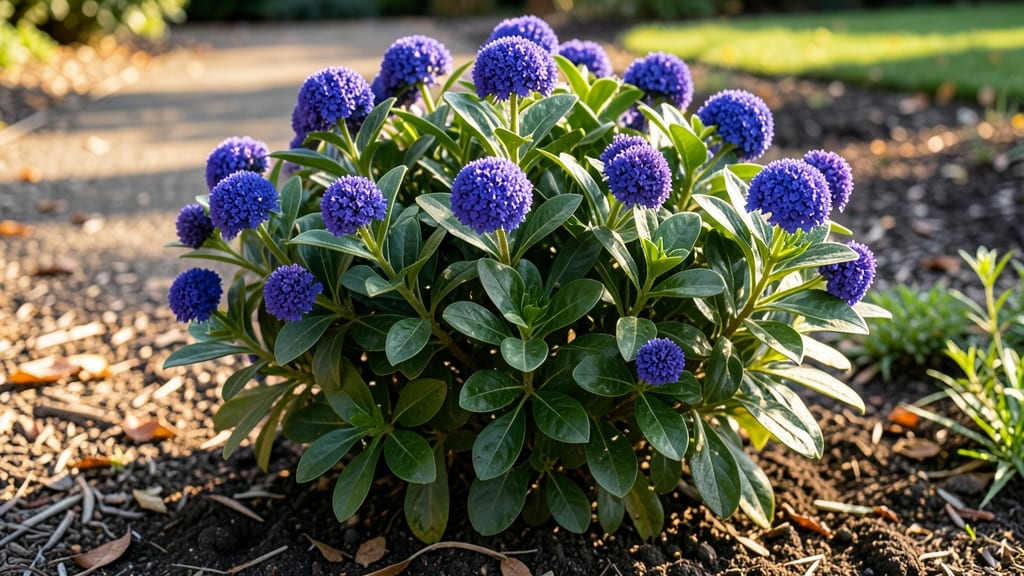
Your garden just got a vibrant purple powerhouse—the princess flower shrub (Tibouchina urvilleana) blooms like it’s auditioning for center stage. 🌿 I fell for its velvety clusters the first time I saw one, and now I’m sharing how to coax that same showstopping display from your own yard, even after winter dormancy.
This shrub thrives in zones 9-11 but surprises with its resilience when given the right care. The key? Well-draining soil, bright indirect light, and a pruning routine that keeps it bushy and blooming.
Skip the guesswork—I’ll walk you through the exact steps that transform bare stems into a six-foot-tall burst of color by spring. By summer, you’ll be pinching back spent blooms and watching new ones form, creating a cascade of purple that lasts until frost.
The foliage alone is lush and aromatic, but those flowers? Pure magic when backlit by morning sun. Perfect for hedges, focal points, or mixed borders, this shrub handles heat and humidity like a champ. Let’s get your princess flower ready to steal the show!
📚 In This Guide
- What you need
- Instructions
- Tips and common mistakes
- Wrapping up and next steps
What you need
- ● Princess Flower Shrub: 1 mature or semi-mature plant (ensure it’s healthy with no signs of severe disease or pest infestation).
- ● Pruning Shears: 1 pair of sharp, sterilized bypass pruners (avoid dull tools to prevent tearing branches).
- ● Gloves: 1 pair of gardening gloves (heavy-duty for protection against thorns or rough bark).
- ● Watering Can or Hose: 1 with a gentle spray nozzle for even water distribution.
- ● Mulch: 3–4 inches of organic mulch (e.g., shredded bark, wood chips, or compost).
- ● Slow-Release Fertilizer: 1 bag of balanced, granular fertilizer (10-10-10 or 20-20-20 NPK ratio, 1–2 cups per plant).
- ○ Soil Amendment (Optional): 1 bag of well-rotted compost or peat moss (improves drainage and nutrients).
- ● Plant Tonic or Revitalizer: 1 bottle (e.g., seaweed extract or a dormant-season fertilizer for extra vigor).
- ● Plant Support: 1–2 stakes or cages (if your shrub is young or leggy post-pruning).
- ● Drip Irrigation Kit: 1 (for automated watering during recovery).
- ● Pest Control: Neem oil spray or insecticidal soap (preventative measure for aphids or scale).
- ● pH Test Kit: 1 (to check soil pH; ideal range for Princess Flower Shrubs is 5.5–7.0).
Step-by-Step instructions for reviving princess flower shrubs after dormancy
Here’s how to nurse your princess flower (Tibouchina) back to vibrant life after winter’s rest.
🌱 Step 1: Inspect and Prune Dormant Stems
Start by examining your shrub carefully. Look for any dead, brittle branches—these will snap easily when bent. Use clean, sharp pruners to remove them at the base, cutting just above a leaf node or outward-facing bud. Princess flowers bloom on new growth, so don’t worry about cutting back too aggressively.
If the shrub looks completely dormant, give it a few days in mild weather to encourage new growth before pruning. You’ll know it’s ready when you see even the faintest green buds emerging. This ensures you’re not removing healthy stems that might still recover.
☀️ Step 2: Provide Warmth and Gradual Sun Exposure
Move your princess flower to a location with bright, indirect light for the first week—think morning sun with afternoon shade. Sudden exposure to full sun after dormancy can scorch tender new growth. If you’re bringing it indoors temporarily, place it near an east-facing window where temperatures stay between 65-75°F.
After a week, gradually increase sunlight exposure. By the second week, you can transition it to 4-6 hours of morning sun daily. Watch for leaves that perk up and darken in color—this signals the plant is adjusting. If leaves yellow or wilt, it’s getting too much sun too soon.
💧 Step 3: Water Lightly and Test Soil Moisture
Water your princess flower sparingly at first—just enough to keep the top 1-2 inches of soil lightly moist. Overwatering now can suffocate roots still waking from dormancy. Stick your finger into the soil: if it feels dry up to your first knuckle, it’s time to water. Use room-temperature water to avoid shocking the roots.
After two weeks of consistent growth (new leaves or stems), you can increase watering slightly. Aim for 1 inch of water per week, delivered deeply rather than frequently. Princess flowers prefer slightly dry conditions between waterings, so let the soil dry out a bit between sessions.
🌿 Step 4: Fertilize and Encourage New Growth
Once you see new leaf growth—typically within 3-4 weeks—apply a balanced, water-soluble fertilizer (10-10-10) at half strength. This gives the shrub a gentle nutrient boost without overwhelming it. Mix the fertilizer according to package instructions and apply it to moist soil to prevent root burn.
Repeat the fertilizer application every 4-6 weeks during the growing season. Avoid heavy doses of nitrogen, which can promote leafy growth at the expense of flowers. Your goal is to coax strong, sturdy stems that will support next year’s blooms.
✂️ Step 5: Monitor and Adjust for Peak Health
Keep an eye out for pests like spider mites or fungal issues like powdery mildew, which can appear as the shrub revives. Wipe leaves with a damp cloth if you spot dust or early signs of pests. If needed, treat with neem oil or an organic insecticidal soap—both are gentle but effective.
By late spring, your princess flower should be ready for full sun exposure and regular pruning to shape its growth. Pinch back new growth tips to encourage bushier growth. With consistent care, you’ll see vibrant blooms by mid-summer—worth the patience!
Tips & tricks for reviving princess flower shrubs
Real talk: Bringing a princess flower back from dormancy takes patience, but these little tricks make all the difference between a sad, sparse shrub and one that bursts with color.
Pruning Precision: When you're inspecting those dormant stems in Step 1, look for branches that bend but don't snap back—those are your dead ones. For the live stems, make your cuts just above a leaf node or outward-facing bud. This is where new growth will emerge, and cutting here gives your plant the best chance to bounce back. I always sterilize my pruners with rubbing alcohol between cuts to prevent spreading any potential diseases that might be lurking.
Sunlight Transition Strategy: That first week in bright, indirect light is crucial—don't rush it! If you're moving your princess flower indoors, place it near an east-facing window where the morning sun is gentler. I've seen too many people rush this step and end up with sunburned leaves. After that first week, you can gradually increase sunlight, but watch those leaves closely. If they start curling or turning yellow, you're moving too fast.
Watering Wisdom: The "top 1-2 inches of soil lightly moist" guideline is your golden rule in Step 3. I can't stress enough how important it is to check soil moisture with your finger rather than guessing. Overwatering is the #1 killer of reviving plants—it suffocates those waking roots. And always use room-temperature water. Cold water can shock the system, especially when roots are just starting to become active again.
Fertilizer Timing: That 3-4 week window before fertilizing is perfect for giving your plant time to adjust. When you do apply that half-strength 10-10-10 fertilizer, make sure the soil is moist first—this prevents root burn. I like to fertilize in the morning so any excess has time to absorb before evening. And remember, we're going for strong stems, not just leaves—so avoid high-nitrogen fertilizers that might give you lush foliage but no flowers.
Pro Tips for Princess Flower Shrub
- Real talk: Bringing a princess flower back from dormancy takes patience, but these little tricks make all the difference between a sad, sparse shrub and one that bursts with color.
- Pruning Precision: When you're inspecting those dormant stems in Step 1, look for branches that bend but don't snap back—those are your dead ones.
- Sunlight Transition Strategy: That first week in bright, indirect light is crucial—don't rush it!
Frequently asked questions
Got questions about keeping your Princess Flower shrub thriving? You’re not alone! Here are answers to the most common queries to help you nurture this stunning plant year-round.
When should I prune my Princess Flower shrub for best results?
Prune your shrub right after blooming (spring or early summer) to encourage fresh growth and more flowers. Avoid heavy pruning in late summer or fall, as this can stimulate tender new growth vulnerable to winter cold. For dormant season care, a light trim in late winter (before new buds form) helps shape the shrub without stressing it.
How do I revive a Princess Flower shrub that’s not blooming?
If your shrub skips blooms, it might need a reset. Start by ensuring it gets 6+ hours of sunlight daily and well-draining soil. Over-fertilizing with high-nitrogen feed can reduce flowering—switch to a balanced bloom booster (like 10-10-10) in early spring. Deadhead spent blooms regularly to redirect energy to new flowers. If the issue persists, check for pests or root-bound roots.
Can Princess Flower shrubs survive winter in cold climates?
Most varieties are hardy to USDA Zones 7-10, but protection is key in colder areas. Mulch the base with 3-4 inches of organic mulch (like shredded bark) after the first frost to insulate roots. For Zone 6 or colder, wrap the shrub in burlap or frost cloth and cover with a lightweight blanket during extreme cold snaps. Prune back any winter damage in early spring.
What are some low-maintenance alternatives to Princess Flower shrubs?
If you love the look but want easier care, consider these drought-tolerant, long-blooming shrubs:
- Butterfly Bush (Buddleia): Thrives in poor soil, attracts pollinators, and blooms all summer.
- Abelia: Semi-evergreen with fragrant flowers; handles heat and humidity well.
- Dwarf Fothergilla: Stunning spring blooms and fiery fall foliage with minimal fuss.
- Oakleaf Hydrangea: Loves shade, blooms twice a year, and has beautiful foliage.
How do I treat common pests like aphids or spider mites on Princess Flower shrubs?
Start with a gentle spray of water to dislodge pests, then apply neem oil or insecticidal soap (follow label instructions). For severe infestations, use horticultural oil in early spring before new growth emerges. Encourage beneficial insects like ladybugs by planting companion flowers (e.g., marigolds or alyssum). Prune and dispose of heavily infested branches to prevent spread.
Wrapping up and next steps
The Princess Flower Shrub is a stunning addition to any garden, offering vibrant blooms and low-maintenance beauty—especially when you master its dormant season care. By pruning correctly, protecting it from frost, and feeding it the right nutrients, you’ll ensure long-lasting, showstopping flowers year after year. 🌸
Ready to transform your garden? Grab your tools, follow the steps, and watch your Princess Flower Shrub thrive! Start small—plant one this season and enjoy the rewards!