
Shrubs
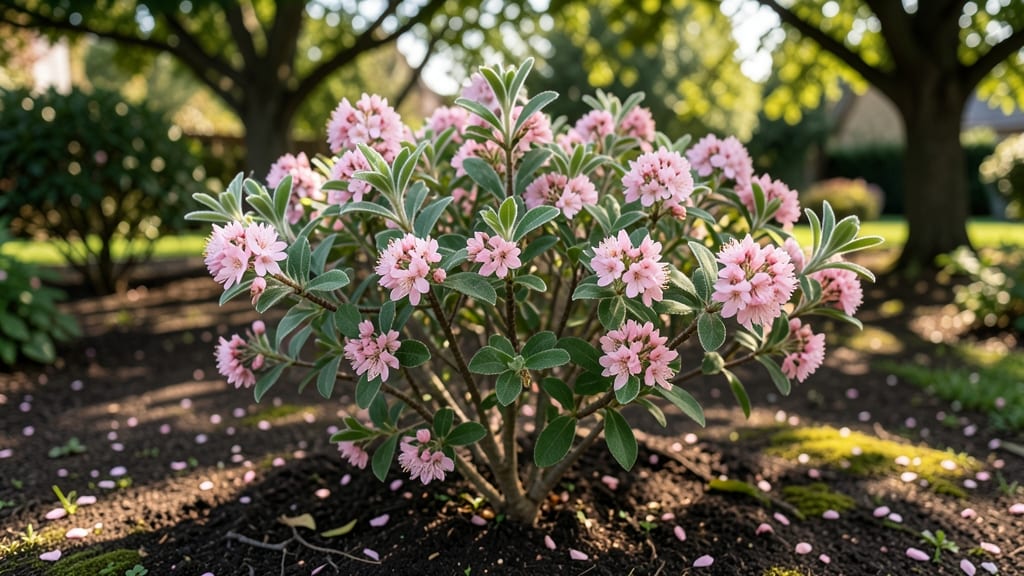
Your garden could be filled with clouds of pink flowering almond blooms by next spring. 🌸 These fragrant shrubs transform any landscape with their delicate, rose-like flowers that perfume the air in early spring—long before most trees leaf out.
I planted mine last fall, and now I’m obsessed with how they outshine everything else in the yard when they bloom. The secret to their success? Full sun and well-draining soil—they hate soggy roots.
Most nurseries sell them as dormant bare-root plants in winter, which means you can get them for a fraction of the price of a mature shrub. Once established, they’re low-maintenance, with minimal pruning needed to keep them tidy.
By summer, you’ll have glossy green foliage that stays lush until fall, and in winter, their peeling bark adds texture. The only challenge? Young plants need winter protection in colder zones, but even then, they bounce back stronger each year.
Perfect for hedges, specimen planting, or even container growing in mild climates. Here’s how to make yours thrive from day one.
📚 In This Guide
- What you need
- Instructions
- Tips and common mistakes
- Wrapping up and next steps
What you need
- ● Pink flowering almond shrub (Prunus glandulosa) – 1-3 plants (depending on desired coverage; spacing 6-10 ft apart). Choose bare-root or potted varieties from a trusted nursery.
- ● Well-draining soil mix – Native soil amended with compost (50/50 ratio) or cactus/succulent mix for sandy or clay-heavy soils.
- ● Organic mulch – 2-3 inches of wood chips, pine straw, or shredded bark to retain moisture and suppress weeds.
- ● Slow-release fertilizer – Balanced 10-10-10 or 20-20-20 (apply spring and early fall).
- ● Watering can or hose with a gentle spray nozzle – For deep but infrequent watering (avoid soggy roots!).
- ● Garden trowel or shovel – For digging holes twice as wide and deep as the root ball.
- ● Pruning shears – Bypass pruners (sharp, clean) for shaping and deadheading.
- ● Garden gloves – Heavy-duty or rose-prick resistant (thorns are sharp!).
- ● Measuring tape or ruler – To ensure proper spacing and depth.
- ○ Optional: Soil pH tester – Ideal pH: 6.0–7.0 (adjust with lime or sulfur if needed).
- ● Drip irrigation kit – For low-maintenance watering in dry climates.
- ● Epsom salt (magnesium sulfate) – 1 tbsp per gallon of water for leaf health (apply foliarly in summer).
- ● Sunlight: Full sun (6+ hours/day) for optimal blooms.
- ● Hardiness Zones: 3–8 (check your zone here).
- ● Water needs: Drought-tolerant once established (water deeply 1–2x/week for the first year).
- ● Warning: All parts of the plant are toxic if ingested (keep away from pets/kids!).
Step-by-step guide to planting and caring for pink flowering almond shrubs
Here's how to create a fragrant, year-round display with these stunning shrubs.
🪴 Step 1: Choose the Perfect Planting Location
Pink flowering almond shrubs thrive in full sun—select a spot that receives at least 6-8 hours of direct sunlight daily. I always check the site in late afternoon when the sun is lowest; this reveals how much light the area actually gets. Avoid low-lying spots where cold air collects, as these shrubs are tender to frost damage.
Well-draining soil is critical—these shrubs despise soggy roots. If your soil is heavy clay, amend it with 2-3 inches of organic matter (like compost) mixed into the top 12 inches of soil. The roots should never sit in waterlogged conditions, so test drainage by digging a 12-inch deep hole and filling it with water; if it drains slowly, you'll need to improve the soil further.
☀️ Step 2: Plant at the Right Time and Depth
Plant your pink flowering almond shrubs in early spring, after the last frost date in your area. This gives roots time to establish before summer heat arrives. Dig a hole twice as wide as the root ball but only as deep—planting too deep suffocates the roots and can kill the shrub.
Gently remove the shrub from its container and loosen any circling roots with your fingers. Place it in the hole so the top of the root ball sits level with the surrounding soil. Backfill with native soil, tamping lightly to remove air pockets. Water deeply right after planting to settle the soil and encourage root contact.
💧 Step 3: Water and Mulch for Healthy Growth
Water your newly planted shrub deeply once a week during the first growing season, providing 1-2 inches of water per week. You'll know you're watering correctly when the soil 2-3 inches down feels moist but not soggy. Overwatering is a common mistake—these shrubs are drought-tolerant once established, so let the top 1-2 inches of soil dry out between waterings.
Apply a 2-3 inch layer of mulch around the base, keeping it 3-4 inches away from the trunk to prevent rot. I use shredded bark mulch because it breaks down slowly and improves soil structure over time. Replenish the mulch annually to maintain its insulating properties and suppress weeds.
✂️ Step 4: Prune for Shape and Encourage Blooms
Prune your pink flowering almond shrub immediately after flowering in early spring. This encourages new growth and more blooms next season. Remove any dead, diseased, or crossing branches first—these compete with healthy growth and reduce air circulation. Cut back overgrown branches by one-third to maintain a natural, open shape.
Here's the thing—avoid heavy pruning in late summer or fall. New growth won't have time to harden off before winter, and you'll risk losing next year's blooms. If you notice leggy growth, simply trim the tips of the longest branches to encourage bushier growth. Always use clean, sharp pruners to make clean cuts just above a leaf node.
🌿 Step 5: Protect and Maintain Through Seasons
In winter, protect young shrubs from cold snaps by wrapping the base with burlap or using a tree guard. Established shrubs handle frost better but still benefit from a light mulch (4-6 inches) around the base. I've found that adding a thin layer of straw over the mulch in extreme cold areas prevents heaving when the ground freezes and thaws.
Fertilize lightly in early spring with a balanced, slow-release fertilizer (10-10-10). Too much nitrogen promotes leafy growth at the expense of flowers, so follow package instructions carefully. Watch for pests like aphids or spider mites—spray the undersides of leaves with neem oil if you spot any, as these shrubs are generally pest-resistant when healthy.
Tips & tricks for perfect pink flowering almond shrubs
These simple tricks will help your fragrant shrubs thrive and bloom beautifully for years.
Sunlight Secret: While 6-8 hours of sunlight is ideal, morning sun with afternoon shade works best in hot climates. I've noticed that afternoon sun can scorch delicate blossoms, so if your area gets intense afternoon heat, consider planting near a structure that provides partial shade during those hours. This protects the flowers while still allowing plenty of light for growth.
Soil Test Tip: Before planting, do this quick soil test: Dig a hole, fill it with water, and time how long it takes to drain. If water remains after 6 hours, your soil needs more organic matter. I've found that adding 2-3 inches of compost mixed into the top 12 inches of soil makes all the difference for these shrubs that hate soggy roots.
Planting Depth: The top of the root ball should sit level with the surrounding soil—never bury it deeper. I learned this the hard way when I planted one too deep and it struggled to establish. If you're unsure, check the container's drainage holes—they'll show you where the root ball ends. Proper depth ensures strong root growth and prevents future problems.
Watering Wisdom: During the first growing season, water deeply once a week—but check the soil first! Stick your finger 2-3 inches down; if it feels dry, water until moisture reaches that depth. Overwatering is the #1 killer of these shrubs, so let the top 1-2 inches dry out between waterings. Once established, they'll handle drought much better.
Pro Tips for Pink Flowering Almond Shrub
- These simple tricks will help your fragrant shrubs thrive and bloom beautifully for years.
- Sunlight Secret: While 6-8 hours of sunlight is ideal, morning sun with afternoon shade works best in hot climates.
- Soil Test Tip: Before planting, do this quick soil test: Dig a hole, fill it with water, and time how long it takes to drain.
Frequently asked questions
Got questions about growing and caring for your pink flowering almond shrub? Here are answers to the most common ones—so you can keep your fragrant beauty thriving year-round!
How fast does a pink flowering almond shrub grow?
A pink flowering almond shrub typically grows moderately fast, adding 12–24 inches per year under ideal conditions. With proper sunlight (6–8 hours daily) and well-draining soil, it can reach 6–10 feet tall within 3–5 years. Prune annually in late winter to shape it and encourage bushier growth. Pro tip: Avoid over-fertilizing—it can stunt flowering!
Is a pink flowering almond shrub cold-hardy?
Yes! These shrubs are highly cold-resistant, thriving in USDA Zones 6–9. They can tolerate brief dips to 10°F (-12°C), but young plants may need winter protection (like mulch or burlap wraps) in their first few years. Watch for: Brown leaves after frost—they’ll bounce back with spring warmth!
Can I grow a pink flowering almond shrub in a container?
While they prefer ground planting, they adapt well to large containers (at least 20-gallon) with drainage holes. Use a fast-draining potting mix (add perlite or sand) and repot every 2–3 years. Place the container in full sun and water deeply when the top inch of soil dries out. Bonus: Containers make them perfect for patios or small yards!
Why aren’t my pink flowering almond shrub blooms as vibrant?
Dull or sparse blooms often signal over-fertilizing, poor drainage, or lack of sunlight. Try these fixes:
- Prune back leggy branches to encourage new growth.
- Switch to a low-phosphorus fertilizer (like 10-10-10) in early spring.
- Ensure 6+ hours of sunlight daily.
- Check soil—waterlogged roots can stress the plant.
If the issue persists, test your soil’s pH (ideal: 6.0–7.0).
What’s a good alternative if I want a similar look but lower maintenance?
If you love the pink blooms and fragrance but want easier care, consider:
- Japanese Kerria (Kerria japonica) – Bright yellow flowers, Zone 4–9, very hardy.
- Dwarf Lilac (Syringa meyeri) – Compact, fragrant purple blooms, Zone 3–8.
- Forsythia – Early yellow blooms, Zone 5–8, thrives in poor soil.
All three are deer-resistant and low-maintenance compared to pink flowering almonds!
Wrapping up and next steps
The pink flowering almond shrub is a stunning addition to any garden, offering fragrant blooms, year-round interest, and low-maintenance charm. Whether you're drawn to its delicate flowers, silvery foliage, or adaptability, this shrub delivers beauty with minimal fuss—perfect for both beginners and seasoned gardeners. 🌸
Ready to transform your outdoor space? Start by sketching your dream layout, gathering your supplies, and planting with confidence. Your fragrant oasis awaits—dig in and let nature’s elegance unfold!