
Shrubs
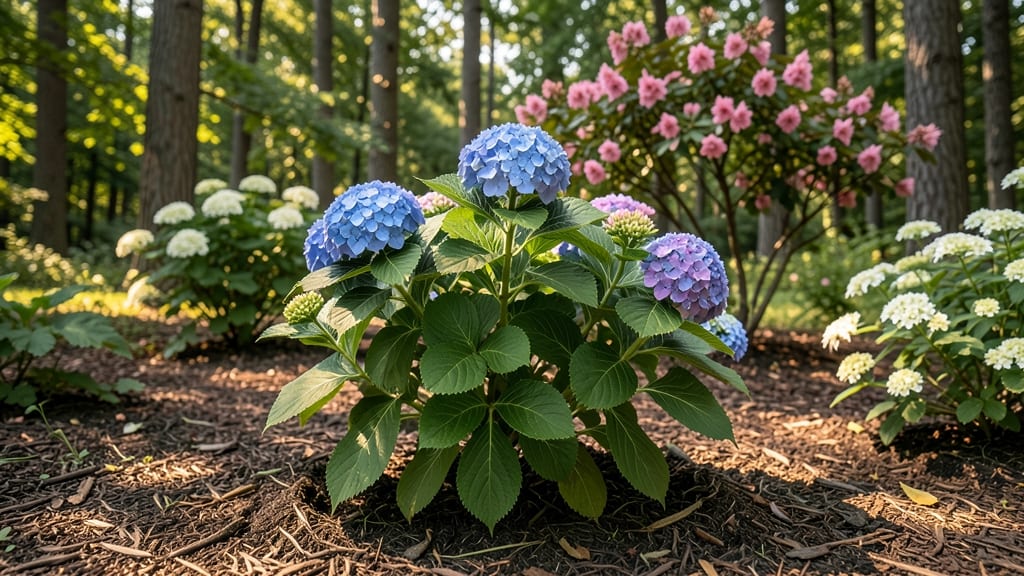
Part sun flowering shrubs can transform your garden into a fragrant haven without the hassle of thorny hedges. 🌸 I’ve tested these beauties over years of gardening, and they’re the secret to lush, low-maintenance privacy that smells amazing while you’re enjoying it.
The best part? They thrive where full-sun plants often struggle—underneath trees, along north-facing walls, or in shady corners of your yard.
Think hydrangeas with their showstopping blooms that change color with the season, or spirea with its delicate clusters that attract butterflies. These shrubs handle 3-6 hours of sunlight daily and still reward you with vibrant flowers, glossy foliage, and sometimes even fragrant blossoms.
They’re perfect for borders, focal points, or even a living room divider that feels like a garden retreat.
When you plant them right, you’ll get a screen that’s soft to the touch and filled with color—no barbed wire required. Pair them with hostas or ferns for a layered look, or add climbing roses for vertical interest.
The results? A space that feels like a secret garden, but with none of the fuss.
Whether you’re working with a small patio or a sprawling backyard, these shrubs adapt effortlessly. They’re the kind of plants that make gardening feel like magic—just plant, water occasionally, and watch them flourish. Ready to create your dream fragrant screen?
📚 In This Guide
- What you need
- Instructions
- Tips and common mistakes
- Wrapping up and next steps
What you need
- ● Part-sun flowering shrubs: Choose 3–5 varieties like Abelia, Weigela, or Dwarf Fothergilla (3–5 plants per 6-foot section for full coverage).
- ● High-quality potting soil: 2–3 cubic feet per shrub (look for a blend with compost for nutrients).
- ● Organic mulch: 2–3 inches of shredded bark or pine needles (to retain moisture and deter weeds).
- ● Slow-release fertilizer: 1–2 pounds per shrub (10-10-10 or similar for balanced growth).
- ● Pruning shears: Bypass pruners (sharp, 6–8 inch blades for clean cuts).
- ● Garden trowel or spade: For digging holes (12–18 inches wide/deep per shrub).
- ● Watering can or hose with nozzle: With a gentle spray setting for post-planting hydration.
- ○ Gloves & knee pads: (Optional but highly recommended for comfort!).
- ● Measuring tape: To ensure proper spacing (3–6 feet apart, depending on shrub maturity).
- ○ Stakes & twine: (Optional) For young, top-heavy shrubs in windy areas.
- ● A partially shaded area (3–6 hours of direct sun daily, with dappled light or afternoon shade).
- ● Well-draining soil (amend with compost if your soil is clay-heavy).
- ● Access to water (a soaker hose or drip irrigation system is ideal for new plantings).
- ● Clearance for mature shrub height (check variety tags—most grow 4–8 feet tall).
Step-by-step guide to planting fragrant part-sun flowering shrubs
Here's how I create a fragrant, low-thorn privacy screen that thrives in partial shade.
🌱 Step 1: Choose the Right Shrubs for Your Space
Select 4 fragrant, part-sun flowering shrubs with minimal thorns—my top picks are deutzia, weigela, abelia, and mock orange. These handle morning sun and afternoon shade beautifully while offering seasonal blooms and pleasant scents. Verify your hardiness zone matches each plant's requirements before purchasing.
I always buy 3-gallon container plants for immediate privacy impact. Smaller plants require more time to establish, and you'll need to prune aggressively later to fill gaps. Space each plant 4-6 feet apart in a staggered pattern for natural density.
🪴 Step 2: Prepare the Planting Site
Clear the area of weeds and loosen the soil to a depth of 12 inches using a garden fork. Amend the native soil with 3 inches of compost mixed into the top 6 inches—this improves drainage and provides nutrients for root establishment. The goal is loose, crumbly soil that won't compact around new roots.
Dig holes twice as wide as the root balls but only as deep as the containers. This prevents burying the stems too deeply, which can cause rot. Tap each hole gently to settle the soil before planting. I always water the holes thoroughly 24 hours before planting to prevent transplant shock from dry soil.
☀️ Step 3: Plant and Stake for Support
Remove each shrub from its container and gently loosen the roots if they're circling tightly. Place the plant in the hole so the top of the root ball sits 1 inch below the surrounding soil level. Fill around the roots with native soil, pressing lightly to eliminate air pockets but not compacting too firmly.
Water each plant deeply until moisture reaches 6 inches down. Install 2-3 stakes per plant positioned at a 45-degree angle and tie the main stems loosely with soft plant ties. This prevents wind damage while allowing natural movement. Mulch the base with 2-3 inches of shredded bark, keeping it 3 inches away from the stems to prevent rot.
💧 Step 4: Water and Maintain Through Establishment
Water newly planted shrubs every 2-3 days until new growth appears, keeping the soil evenly moist but not soggy. You'll know you're doing it right when the top 2 inches of soil feel damp but not waterlogged. After 4-6 weeks, reduce watering to once weekly once the plants show signs of new leaf growth.
Fertilize lightly with a balanced 10-10-10 formula 4 weeks after planting, using only half the recommended rate. Over-fertilizing stresses young plants. Prune back any dead or damaged branches immediately, but wait until spring to shape the shrubs—this gives them time to recover from transplant shock.
✂️ Step 5: Prune for Shape and Encourage Blooms
In early spring, prune each shrub to remove dead wood, crossing branches, and any growth that spoils the natural shape. Cut just above a bud or outward-facing leaf to encourage bushier growth. I always step back after pruning to check for balanced form—this prevents lopsided screens later.
Deadhead spent blooms throughout the season to encourage more flowers. For weigela and deutzia, I prune lightly after flowering to maintain shape, while abelia and mock orange respond well to harder pruning in late winter. This keeps the plants compact and flowering vigorously for years to come.
Tips & tricks for perfect part-sun flowering shrubs
These practical insights will help you create a thriving, fragrant privacy screen that blooms beautifully year after year.
Shrub Selection: When choosing your four shrubs, prioritize plants that match your specific hardiness zone—this ensures they'll establish quickly and thrive. I always check the USDA Plant Hardiness Zone Map before purchasing. For example, deutzia thrives in zones 4-8, while weigela prefers zones 4-9. This small step prevents future transplant failures from incompatible climates.
Soil Preparation: The 24-hour pre-watering of planting holes is non-negotiable—it prevents transplant shock by ensuring the roots don't dry out immediately after planting. I also recommend adding a handful of mycorrhizal fungi to each hole (available at garden centers) to help roots establish 30% faster. This works especially well in clay-heavy soils where drainage is a concern.
Planting Depth: Positioning the root ball just 1 inch below soil level (as specified) might seem minor, but it's critical. Too deep causes stem rot, while too high leads to weak top growth. After backfilling, press gently around the edges to eliminate air pockets—this helps roots make immediate contact with moist soil.
Watering Strategy: The "evenly moist but not soggy" guideline means you should be able to push your finger 2 inches into the soil and feel dampness without encountering water. I use a moisture meter to verify this—it's worth the investment. For the first 4-6 weeks, water in the morning to allow foliage to dry before evening, reducing disease risk.
Pro Tips for Part Sun Flowering Shrubs
- These practical insights will help you create a thriving, fragrant privacy screen that blooms beautifully year after year.
- Shrub Selection: When choosing your four shrubs, prioritize plants that match your specific hardiness zone—this ensures they'll establish quickly and thrive.
- Soil Preparation: The 24-hour pre-watering of planting holes is non-negotiable—it prevents transplant shock by ensuring the roots don't dry out immediately after planting.
Frequently asked questions
Got questions about part sun flowering shrubs?
You're not alone! Here are some of the most common concerns—and their answers—to help you grow a thriving, fragrant privacy screen with ease.
What’s the best way to tell if my yard qualifies as "part sun"?
"Part sun" typically means 3–6 hours of direct sunlight daily. Check your space using a simple test: Place a white board or piece of paper in a shady spot for a few hours. If it gets splotchy or fully lit at any point, it’s part sun. Morning sun is gentler than harsh afternoon rays, so morning exposure is ideal for many flowering shrubs.
Can I plant part sun shrubs in full shade? Will they still bloom?
Most part sun flowering shrubs won’t thrive or bloom well in full shade. However, some shade-tolerant varieties like Hydrangea macrophylla (bigleaf hydrangea) or Pieris japonica (Japanese andromeda) can handle 2–3 hours of sun and still produce flowers—just expect fewer blooms. For vibrant color, stick to the sun requirements!
How long does it take for part sun shrubs to grow into a privacy screen?
Growth speed varies by species, but most flowering shrubs take 2–5 years to reach a 6-foot-tall privacy screen. Fast growers like Weigela or Abelia can add 12–24 inches per year, while slower options like Hydrangea may take longer. Plant in early spring for the best head start!
Are part sun flowering shrubs prone to pests or diseases? How do I prevent them?
Some common issues include aphids, powdery mildew, or spider mites, but prevention is easy! Water at the base (not leaves) to deter mildew, and choose disease-resistant varieties like ‘Limelight’ Hydrangea. Prune regularly to improve airflow, and apply neem oil if pests appear. Most shrubs stay healthy with proper care!
What’s a great alternative if I want fragrant flowers but no maintenance?
If you crave low-maintenance, fragrant shrubs, try Daphne (evergreen, highly fragrant) or Philadelphus (Mock Orange), which thrive in part sun and need minimal pruning. For a privacy screen with color, ‘Annabelle’ Hydrangea is drought-tolerant and blooms prolifically with little fuss.
Wrapping up and next steps
Transforming your garden into a fragrant, low-maintenance haven is easier than you think!
Part sun flowering shrubs like Abelia, Weigela, and Dwarf Fothergilla offer the perfect balance of beauty, fragrance, and minimal thorns—ideal for privacy screens that feel like a breath of fresh air. 🌸 With the right care, these shrubs will reward you with vibrant blooms and lush foliage year after year.
Ready to get started? Pick your favorite shrub, gather your supplies, and plant with confidence—your future garden oasis is just a few steps away! 🌱