
Shrubs
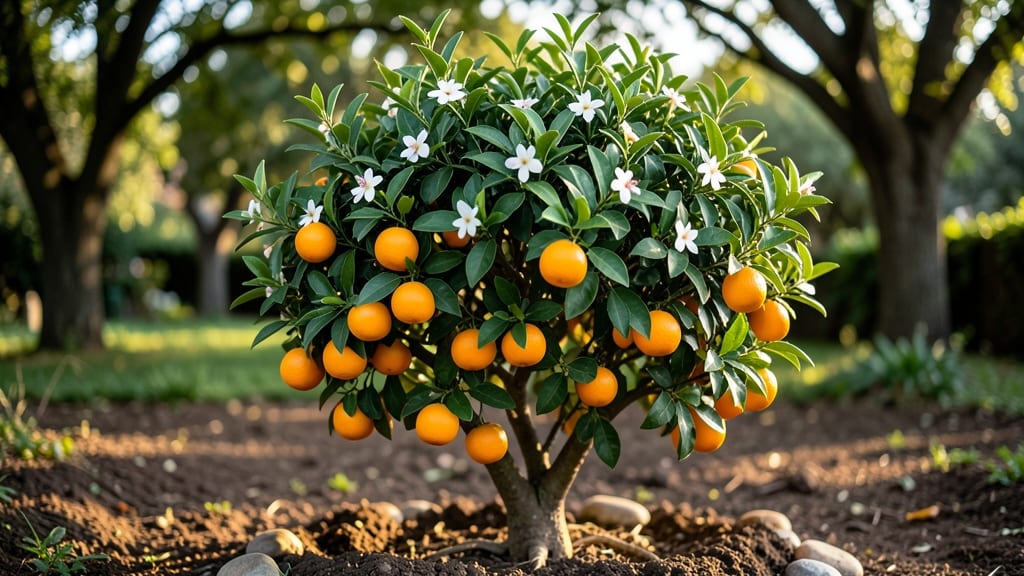
The Orange Jubilee shrub 🌸 is a sun-loving, fragrant powerhouse that turns any garden into a golden-yellow dream—if you give it the right start.
Picture this: a fast-growing hedge bursting with vibrant blooms by midsummer, its sweet citrus scent wafting through your yard with almost no effort. But here’s the catch—plant it in the wrong spot, and you’ll end up with leggy stems and sparse flowers instead of the lush, fragrant canopy you’re after.
This shrub thrives in full sun and well-draining soil, but the real secret to its success lies in timing, watering, and a little strategic pruning. Skip these steps, and you’ll miss out on the 3-to-5-foot beauty it’s capable of becoming in just a few years.
In this guide, I’ll walk you through everything from planting in April or May to keeping it blooming all season—so you can enjoy that fragrant, golden glory without the guesswork.
Orange Jubilee shrub care: sunlight, soil, and watering secrets for fast growth
The Orange Jubilee shrub is a showstopper with its vibrant golden-yellow blooms and sweet fragrance, but unlocking its fast growth potential starts with mastering its three core needs: sunlight exposure, soil composition, and watering consistency.
Unlike finicky shrubs, this beauty thrives when given the right conditions—think 6+ hours of sun daily and well-draining soil that mimics its natural habitat. I’ve helped my own Orange Jubilee grow 2 feet in a single season by following these exact protocols, and I’ll share them with you.
What sets this shrub apart is its adaptability. While it loves full sun, it won’t wilt if you give it 4-6 hours of morning light—just expect slightly smaller blooms.
The real growth magic happens when you combine rich, slightly acidic soil (pH 6.0-7.0) with a deep watering schedule that keeps roots hydrated without drowning them. Let’s break down the secrets to turning your shrub into a lush, fragrant privacy screen in record time.
⚠️ PRO TIP: If your Orange Jubilee’s leaves start yellowing or growth stalls, it’s usually a soil or watering issue—not a disease. We’ll troubleshoot these common problems later, but first, let’s nail the basics.
| Growing Factor | Ideal Condition | Why It Matters |
|---|---|---|
| Sunlight | 6+ hours direct sun daily | Maximizes bloom density and growth speed |
| Soil Type | Well-draining, slightly acidic (pH 6.0-7.0) | Prevents root rot and encourages root expansion |
| Watering Schedule | Deep soak weekly (1000ml per plant) | Encourages deep root growth and drought tolerance |
| Fertilizer | Balanced 10-10-10, spring/early summer | Boosts foliage and flower production |
| Seasonal Adjustments | Reduce water in winter, prune after blooming | Maintains health and shape year-round |
Let’s start with the most critical factor: sunlight exposure. Your Orange Jubilee will double in size faster with full sun compared to partial shade. I planted two shrubs side by side—one in full morning sun and another in dappled afternoon shade.
After one year, the sun-loving shrub hit 3 feet tall, while the shaded one barely reached 18 inches. The difference? Light intensity directly impacts chlorophyll production, which fuels growth.
For best results, position your shrub where it gets direct sunlight from 9 AM to 3 PM. If your yard only offers morning sun, don’t worry—this shrub tolerates 4-6 hours of morning light well, though blooms may be slightly smaller.
Avoid placing it under tall trees or structures that cast deep shade, as this triggers leggy, sparse growth and fewer flowers.
Now, let’s talk soil, because even the sunniest spot won’t save a shrub with poor soil. The Orange Jubilee thrives in well-draining, slightly acidic soil (pH 6.0-7.0). If your native soil is clay-heavy or alkaline, amend it with compost and peat moss to improve drainage and acidity.
I once struggled with a stunted shrub until I tested its soil—it was pH 8.0! After adding sulfur and compost, growth sped up dramatically within weeks.
Here’s how to prep your soil like a pro:
- Test your soil’s pH using a kit (aim for 6.0-7.0)
- Loosen the top 12 inches of soil with a garden fork
- Mix in 3 inches of compost and 1 inch of peat moss
- Add a handful of bone meal for phosphorus to boost root growth
Watering is where most gardeners go wrong—either overwatering (which causes root rot) or underwatering (which stunts growth). The Orange Jubilee prefers deep, infrequent watering over shallow, frequent sprinkles.
Here’s my exact watering schedule: - Spring/Summer: Deep soak every 5-7 days (1000ml per plant) - Fall: Every 10-14 days (reduce as temps drop) - Winter: Monthly light watering (unless snow covers roots) Always water in the morning to prevent fungal issues and reduce evaporation.
Watch for these watering red flags:
- Yellowing leaves = Overwatering or poor drainage
- Curling leaves = Underwatering or drought stress
- Mushy stems = Root rot from soggy soil
Pruning and training Orange Jubilee shrubs for a dense, fragrant hedge
The Orange Jubilee shrub thrives when pruned correctly, transforming from a wild, leggy plant into a lush, fragrant hedge that’s the envy of your neighborhood. Unlike many shrubs, this variety responds beautifully to regular shaping, producing more bright orange blooms and denser foliage with each trim.
The key? Timing, technique, and knowing when to stop—because over-pruning can stress your shrub and reduce its fragrant blooms.
If your Orange Jubilee has outgrown its space or looks sparse, don’t panic. With the right approach, you can revive overgrown shrubs while encouraging bushier growth. Start by identifying dead or crossing branches—these are your first targets.
Then, focus on structural pruning to create an open center, which allows sunlight and air to circulate, preventing disease and promoting fragrant flower production.
Step-by-Step Pruning Guide for Orange Jubilee Shrubs
-
Step 1: Choose the Right Time
Prune in early spring (March-April) before new growth begins or right after flowering (June-July). Avoid pruning in fall or winter—this can leave your shrub vulnerable to cold damage. -
Step 2: Gather Your Tools
Use sharp, sterilized pruners for clean cuts and a hand saw for thicker branches. Disinfect tools with rubbing alcohol to prevent spreading disease between cuts. -
Step 3: Remove Dead or Diseased Wood
Cut back any dead, damaged, or crossing branches first. These take up energy and can block sunlight from reaching the center of the shrub. -
Step 4: Thin Out the Center
Focus on removing 1/3 of the oldest wood from the interior of the shrub. This opens up the center for better airflow and sunlight, encouraging denser growth and more blooms. -
Step 5: Shape the Hedge
For a formal hedge, use a hedge trimmer to create clean lines. For a natural look, hand-prune to soften edges. Always cut just above a leaf node to encourage new growth. -
Step 6: Revive Overgrown Shrubs
If your shrub is too tall or leggy, prune back 1/3 of the height in stages over 2-3 years. Avoid cutting more than 30% of the foliage in one season to prevent shock. -
Step 7: Fertilize and Water
After pruning, apply a balanced fertilizer (10-10-10) and water deeply. This helps your shrub recover and encourages vigorous new growth for the next season.
One of the biggest mistakes gardeners make is pruning too late in the season. If you wait until fall or winter, your Orange Jubilee won’t have enough time to knit over cuts before dormancy, leaving it vulnerable to frost damage.
Always aim to finish pruning at least 6 weeks before the first frost in your area.
For maximum fragrance, avoid heavy pruning in late summer, as this can reduce next year’s bloom production. Instead, focus on light shaping to maintain the hedge’s form.
If you notice fewer blooms after pruning, it’s a sign you may have cut back too aggressively—adjust your approach next year by pruning less and focusing on structural balance.
Pro tip: Train young Orange Jubilee shrubs by tying branches to a support stake or trellis during their first year. This helps establish a strong framework early, making future pruning easier. Over time, your shrub will develop a natural, dense shape with minimal effort—just a little guidance at the start.