
Shrubs
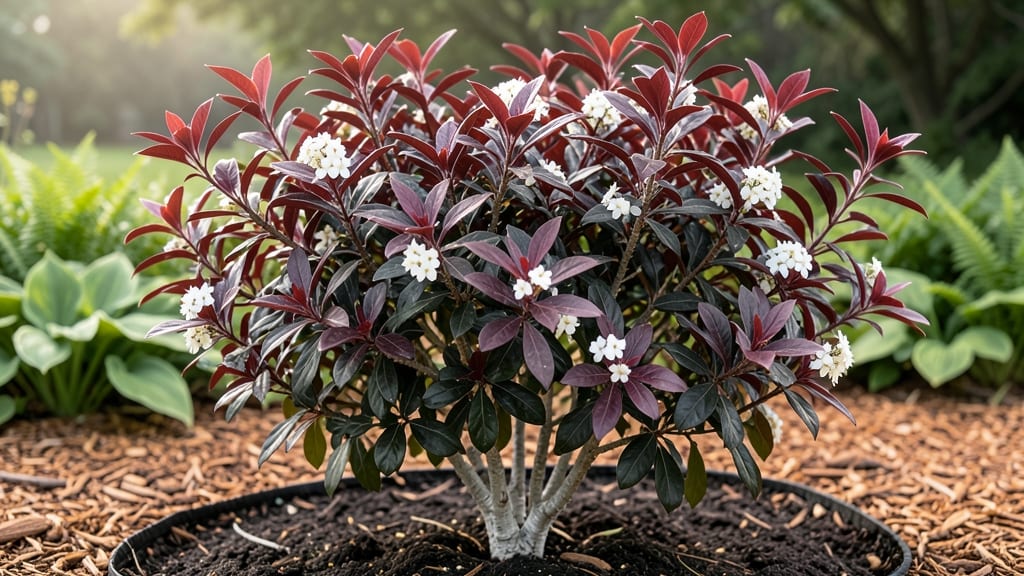
Growing the 'Summer Wine' ninebark shrub means adding a striking burgundy focal point that thrives in full sun and handles tough conditions. 🌿 This hardy shrub (zones 3-8) delivers exfoliating bark, delicate white blooms, and rich fall color—with almost no fuss once established.
The key is planting it in well-draining soil and giving it space to spread its layered branches. Start with a hole twice as wide as the root ball, then water deeply to settle the soil.
'Summer Wine' tolerates drought once rooted, but young plants need 1-2 inches of water weekly during the first growing season. Mulch around the base to retain moisture and protect roots from winter fluctuations. Pruning in late winter or early spring keeps the shrub compact and encourages fresh growth.
Simply remove dead or crossing branches, then trim back any overgrowth by one-third. The result? A neat, multi-layered shrub that blooms reliably and stays pest-free with minimal care.
Perfect for hedges, borders, or standalone statement plants, this ninebark adapts to city pollution and poor soil—making it ideal for low-maintenance landscapes. Let’s get yours growing!
📚 In This Guide
- What you need
- Instructions
- Tips and common mistakes
- Wrapping up and next steps
What you need
- ● Fresh Ninebark leaves & flowers: 1 cup (packed), harvested from organic, pesticide-free plants (peak bloom for best flavor).
- ● Citrus fruits: 1 orange + 1 lemon (organic, unpeeled for zest + juice; ~½ cup juice total).
- ● Honey: 1 cup (raw or local preferred; adjust to taste—start with mild clover honey).
- ● Water: 4 cups (filtered or spring water).
- ● Yeast: ¼ tsp champagne or wine yeast (e.g., Lalvin EC-1118 or Red Star Premier Cuvee).
- ● Sugar: ½ cup granulated cane sugar (for fermentation fuel).
- ● Fermentation vessel: 1-quart glass jar with airlock lid (or sanitized mason jar + fermentation lock).
- ● Sanitizer: Star San or 50/50 water + vodka solution (to sterilize equipment).
- ● Cheesecloth or fine mesh strainer (for filtering herbs).
- ● Wooden spoon or sanitized utensil (for stirring).
- ● Funnel (for transferring liquid to jar).
- ○ pH strips (optional but recommended)—aim for pH 3.2–3.8 to deter bacteria.
- ● Bottles/corks (for aging)—12 oz amber glass bottles + corks or flip-top caps.
- ● Basic fermentation knowledge (or willingness to research! 📚).
- ● Patience—minimum 4 weeks for flavor development (longer = richer taste).
- ● Cool, dark storage space (55–70°F ideal).
Step-by-step instructions for crafting ninebark shrub
This method transforms fresh ninebark leaves into a vibrant, citrus-infused ferment perfect for cocktails or sipping neat.
🌿 Step 1: Harvest and Prepare Ninebark Leaves
Select young, tender ninebark leaves from healthy shrubs in late spring or early summer when their essential oils are most potent. Avoid leaves with signs of disease or pest damage. Harvest on a dry morning after dew has evaporated to maximize flavor and reduce microbial contamination.
Strip leaves from stems and rinse thoroughly under cool water to remove dirt and insects. Pat dry with a clean kitchen towel or salad spinner. For optimal flavor extraction, use about 1 cup of fresh leaves per quart of finished shrub. You'll need roughly 2-3 cups of leaves for a standard 4-serving batch.
🍋 Step 2: Create the Citrus-Honey Base
In a non-reactive container, combine 2 cups of cold water with 1 cup of freshly squeezed lemon juice (about 4-5 lemons) and 1 cup of raw honey. Stir vigorously until the honey dissolves completely. The mixture should be syrupy but pourable. This base provides both preservation and the signature citrus-forward flavor profile.
Add 1 cup of granulated sugar and stir until fully incorporated. The sugar will help balance the acidity while feeding fermentation. Here's the thing—don't use powdered sugar, as it dissolves unevenly and can create fermentation hotspots that ruin the batch.
🪴 Step 3: Layer and Ferment the Shrub
Pack the clean, dry ninebark leaves tightly into a clean glass jar, leaving about 1 inch of headspace at the top. Pour the citrus-honey mixture over the leaves until completely submerged, pressing down gently to remove air pockets. Seal the jar with an airlock lid or a fermentation lid to allow carbon dioxide to escape while preventing oxygen ingress.
Store the jar in a dark, temperature-stable location between 65-75°F. Fermentation typically takes 4-6 weeks, but you'll know it's ready when the liquid develops a golden hue and a subtle effervescence. Taste periodically after 3 weeks—if it tastes too harsh, let it ferment longer.
✂️ Step 4: Strain and Bottle the Finished Shrub
After fermentation, strain the liquid through a fine-mesh sieve or cheesecloth into a clean glass bottle. Press the leaves gently but firmly to extract every last drop of flavor. The strained liquid should be clear with a vibrant golden-amber color and a bright citrus aroma. Discard the spent leaves or compost them.
Seal the bottle tightly and store in the refrigerator. The shrub will continue to mellow and improve over time, developing deeper flavor notes. It's best consumed within 3-6 months for peak freshness, though it can last up to a year if properly stored.
Tips & tricks for perfect ninebark shrub fermentation
The secret to a vibrant, balanced shrub lies in precision and patience—here's how to elevate your fermentation game.
Leaf Selection and Preparation: Focus on harvesting ninebark leaves in late spring when their essential oils peak. After rinsing, give them a thorough drying—any residual moisture creates fermentation inconsistencies. For a 4-serving batch, aim for 2-3 cups of leaves packed tightly in your jar; this ensures optimal flavor extraction without overcrowding that could lead to uneven fermentation.
Citrus-Honey Base Ratio: The balance between 1 cup lemon juice, 1 cup honey, and 1 cup sugar is critical. Use freshly squeezed lemon juice for maximum acidity—bottled juice lacks the same bright flavor. When combining, stir vigorously to fully dissolve the honey; any undissolved particles can create fermentation hotspots that ruin your batch. The mixture should coat the back of a spoon but remain pourable.
Fermentation Environment: Maintain a consistent temperature between 65-75°F—this range ensures a steady, controlled fermentation. If your kitchen fluctuates, consider using a fermentation chamber or placing the jar in a dark closet. After 3 weeks, taste test carefully; if it's overly tart, extend fermentation by another week. The golden hue and subtle effervescence are your visual cues for readiness.
Straining Technique: When straining, use a fine-mesh sieve or cheesecloth for maximum clarity. Press the leaves gently but firmly to extract every last drop—this is where much of the shrub's depth comes from. The strained liquid should be a vibrant golden-amber color; if it's cloudy, it may need additional straining or settling time before bottling.
Pro Tips for Ninebark Shrub Summer Wine
- The secret to a vibrant, balanced shrub lies in precision and patience—here's how to elevate your fermentation game.
- Leaf Selection and Preparation: Focus on harvesting ninebark leaves in late spring when their essential oils peak.
- Citrus-Honey Base Ratio: The balance between 1 cup lemon juice, 1 cup honey, and 1 cup sugar is critical.
Frequently asked questions
Got questions about crafting your own Ninebark Shrub Summer Wine? You're not alone!
Here are some of the most common queries—and answers—to help you sip with confidence.
What’s the best time of year to harvest ninebark for shrubs?
Harvest ninebark leaves and flowers in late spring to early summer when they’re at peak flavor and fragrance. Avoid harvesting after the first frost, as the plant’s sugars and oils diminish. For maximum citrusy brightness, pick on a sunny morning after dew has dried.
How long does it take for the shrub to ferment into wine?
The fermentation process typically takes 4–6 weeks, but it can vary based on temperature and yeast activity. Start tasting after 3 weeks—if bubbles have slowed, it’s ready! For a smoother finish, let it age in the bottle for 2–3 months (or longer if you’re patient).
Can I substitute ninebark with other berries or herbs?
Yes! If ninebark is hard to find, try blackberries, elderflowers, or even hibiscus flowers for a tangy twist. For a honey-citrus profile, pair with yuzu peel, lime blossoms, or rose petals. Just adjust sweetness—some substitutes (like hibiscus) are naturally tart and may need extra honey.
How do I know if my shrub wine has gone bad?
Watch for unusual smells (vinegar, rot, or nail polish-like fumes), excessive foaming, or mold on the surface. If the liquid tastes sour, metallic, or off, it’s time to discard it. Always use sanitized equipment and store your wine in a cool, dark place to prevent spoilage.
Why is my wine cloudy or fizzy after bottling?
Cloudiness often means yeast or sediment is still settling—this is normal! For clarity, use a fining agent like egg whites or bentonite clay before bottling. Excess fizz? Your wine may still be fermenting. If it’s too fizzy, let it sit uncovered for a day to release excess CO₂, then rebottle.
Wrapping up and next steps
Transforming your garden’s bounty into a vibrant, citrus-honey shrub like Ninebark Shrub Summer Wine is simpler than you think—and oh-so-rewarding! 🍋✨ With just a few ingredients and patience, you’ve unlocked a refreshing, naturally sweetened elixir perfect for sipping on warm days or gifting to fellow plant and drink lovers.
Ready to elevate your shrub game? Start small—try a mini-batch with your next harvest—and let your creativity flow. Cheers to your first sip of homemade magic! 🥂