
Plants
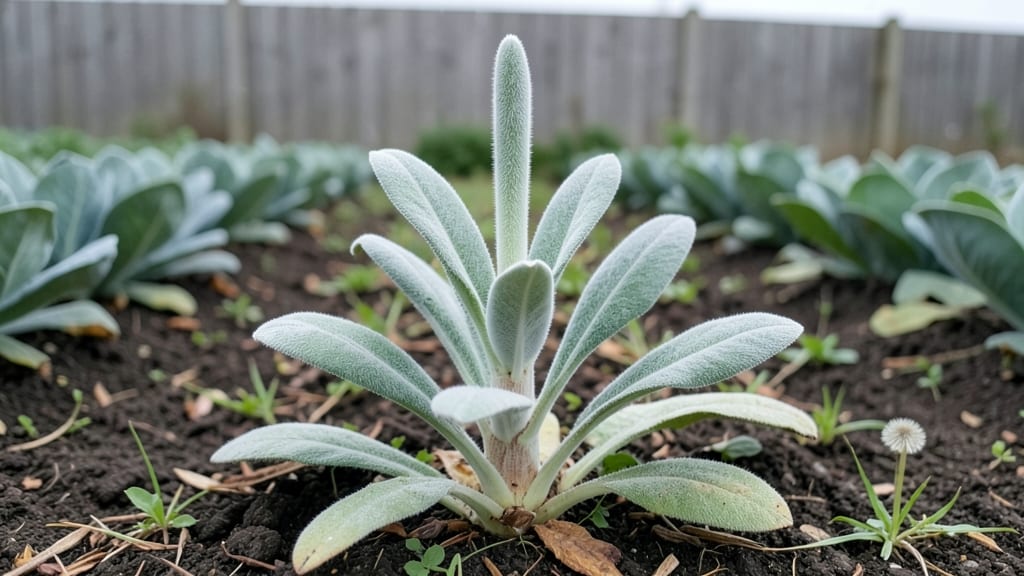
Growing mullein from seed in its first year is like watching a wildflower grow into a towering garden sentinel. ✨ I’ve watched my first-year mullein go from delicate seedlings to sturdy, velvety-leaved plants that reach for the sky—all while requiring almost no fuss.
The key is patience, because this biennial or short-lived perennial takes its time, but the payoff is worth it.
You’ll need full sun, well-draining soil, and a spot where it can spread its wings—mullein thrives in poor soil and even tolerates drought once established. Start seeds indoors 6-8 weeks before your last frost or sow directly in spring, as they prefer not to be disturbed.
Water lightly to keep the soil moist but never soggy, and avoid overcrowding.
By late summer, you’ll see those iconic tall flower spikes shooting up, each one a potential seed source for next year. The first year focuses on root and leaf growth, so resist the urge to harvest heavily—let it store energy for its second-year blooms.
With minimal care, your mullein will reward you with lush foliage and a striking presence in the garden.
This hardy plant is a great addition for pollinators and even has medicinal uses, but the real magic is how it transforms from a delicate seedling into a striking, self-sustaining perennial. Once you’ve got it through that first year, it’ll come back stronger every season—no replanting needed.
📚 In This Guide
- What you need
- Instructions
- Tips and common mistakes
- Wrapping up and next steps
What you need
- ● Mullein seeds: 1 packet (50-100 seeds) – Choose organic, non-GMO seeds for best results.
- ● Seed-starting mix: 1 bag (1-2 cubic feet) – Lightweight, sterile, and well-draining (e.g., 50% peat moss, 30% perlite, 20% vermiculite).
- ● Seed trays or small pots: 10-20 (2-3 inch pots or 72-cell trays) – Use biodegradable pots if transplanting directly.
- ● Grow lights or sunny windowsill: 1 unit – 12-16 hours of light daily for seedlings.
- ● Watering can or spray bottle: 1 – Keep soil consistently moist but not soggy.
- ● Fertilizer: 1 bottle (balanced 10-10-10 or organic option like fish emulsion) – Dilute to half-strength for seedlings.
- ● Transplanting tools: Small hand trowel
- ○ Garden gloves (optional but recommended)
- ● Heat mat: 1 – Speeds up germination (70–75°F ideal).
- ● Humidity dome or plastic wrap: 1 – Retains moisture for faster sprouting.
- ● Compost or aged manure: 1-2 gallons – Boosts soil fertility for transplanting.
- ● Mulch (straw or shredded leaves): 1 bag – Protects young plants from weeds and retains moisture.
- ● Pest control (neem oil or insecticidal soap): 1 bottle – Prevents early pests like aphids.
Instructions for growing mullein from seed to a strong first-year plant
Here's how I transform tiny mullein seeds into sturdy, self-sufficient plants ready for their second year.
🌱 Step 1: Prepare the Soil and Sow Seeds at the Right Time
Mullein thrives in poor soil, but it still needs good drainage. Work the ground lightly with a rake to break up any clumps, then scatter seeds ¼ inch deep in early spring after the last frost when soil reaches 50°F. I like to sow them directly where they'll grow—they dislike transplanting.
Space seeds 12-18 inches apart since they'll spread over time. A light covering of soil or even just pressing them into the surface works fine. Mullein seeds are tiny, so I tap the seed packet gently over the planting area to distribute them evenly. Water immediately after sowing to settle the seeds into the soil.
☀️ Step 2: Provide Full Sun and Minimal Care During Germination
Mullein needs full sun (6-8 hours daily), so choose the sunniest spot in your garden. Once planted, water lightly every 2-3 days until you see first true leaves—usually within 2-4 weeks. The key here is consistency without overwatering; mullein hates soggy roots.
I know it seems counterintuitive, but resist the urge to fuss with them. Mullein seedlings are tough and don't need coddling. If you notice tiny sprouts stretching toward the light, they're just reaching for the sun—let them. Once they're about 2 inches tall, you can reduce watering to once a week unless your area experiences extreme heat.
🌿 Step 3: Let Them Grow Strong Before First Winter
By mid-summer, your mullein will start looking like little rosettes of fuzzy leaves. This is when they're building energy for their first winter. I let them grow undisturbed until they reach 6-12 inches tall, which usually happens by late summer or early fall.
Mullein is drought-tolerant once established, but first-year plants still need 1 inch of water weekly during dry spells. You'll notice the leaves develop that signature velvety texture—this is a good sign they're thriving. If you see any yellowing leaves, it's usually due to overwatering, so cut back on irrigation until the soil dries out slightly between waterings.
✂️ Step 4: Prepare for Winter and Encourage Second-Year Growth
As temperatures drop below 40°F at night, mullein will start to go dormant. This is normal! Once the first frost hits, you can stop watering entirely unless your winter is exceptionally dry. The plant will die back to the ground, but don't worry—the roots are storing energy for next year.
In early spring, when new growth appears (usually by March or April), you can trim back any dead foliage. This helps redirect energy to new growth. Mullein is a biennial, so first-year plants focus on root and leaf development, while second-year plants will produce those iconic tall flower spikes. Your goal this year is simply to establish a strong root system and healthy foliage.
Tips & tricks for perfect mullein first-year growth
Here's what nobody tells you about growing resilient mullein plants that'll thrive through their first winter and beyond.
Soil Temperature Matters: That 50°F soil temperature in Step 1 is non-negotiable for germination. Use a soil thermometer if your spring is unpredictable—cold soil delays sprouting. I've seen seeds take twice as long to germinate when soil hovers around 45°F. The good news? Mullein's hardy nature means it'll still sprout eventually, but you'll get faster results at that ideal 50°F mark.
Watering Wisdom: The 2-3 day watering schedule in Step 2 can be tricky—especially when those first true leaves appear. I've learned to check soil moisture by sticking my finger about 1 inch deep. If it's dry, water lightly; if damp, wait another day. Overwatering at this stage causes more problems than underwatering, and mullein's tough little seedlings will actually tell you when they're thirsty by wilting slightly.
Sunlight Secret: Those 6-8 hours of daily sun are critical, but don't panic if your garden gets slightly less. Mullein is adaptable—it'll just grow a bit taller and leggier. What matters most is that they get full sun during their peak growth months (June-August). If you're in a shadier spot, consider growing them in containers where you can move them to sunnier locations as needed.
Winter Prep Strategy: When nighttime temps drop below 40°F in Step 4, that's your cue to stop watering completely—unless you're in an exceptionally dry climate. I've found that mulching with a 2-inch layer of straw or leaves helps insulate the roots during those first frosts. This simple step prevents heaving (when roots lift out of the soil) and gives your plants a stronger start for next year's growth.
Pro Tips for Mullein First Year
- Here's what nobody tells you about growing resilient mullein plants that'll thrive through their first winter and beyond.
- Soil Temperature Matters: That 50°F soil temperature in Step 1 is non-negotiable for germination.
- Watering Wisdom: The 2-3 day watering schedule in Step 2 can be tricky—especially when those first true leaves appear.
Frequently asked questions
Got questions about growing mullein from seed in its first year? You’re not alone! Here are some of the most common concerns—plus quick, practical answers to help you succeed.
How long does it take for mullein seeds to germinate?
Mullein seeds can take anywhere from 2 weeks to 3 months to germinate, depending on conditions. They often need cold stratification (a winter chill) to break dormancy. Plant in early fall for natural stratification, or soak seeds in water for 24 hours before sowing in spring for faster results.
When is the best time to plant mullein seeds?
For the best first-year growth, sow seeds in early fall (September–October) to let them experience winter’s cold. Alternatively, plant in early spring (March–April) after last frost, but expect slower initial growth. Avoid summer planting—heat can stress young seedlings.
Why aren’t my mullein seedlings growing?
Slow growth in the first year is normal, but check these fixes:
- Light: Mullein loves full sun (6+ hours/day). Move pots or thin seedlings if shaded.
- Soil: Poor drainage? Amend with sand or perlite. Mullein tolerates dry soil but hates soggy roots.
- Patience: First-year plants focus on roots. Don’t fertilize—it can harm tender seedlings.
Can I grow mullein indoors first?
Yes! Start seeds indoors 8–10 weeks before last frost in trays with well-draining soil. Use a sunny windowsill or grow lights (12+ hours/day). Harden off seedlings for 1–2 weeks before transplanting outdoors after frost risk passes.
What pests or diseases should I watch for?
Mullein is generally pest-resistant, but watch for:
- Aphids: Spray with soapy water if clusters appear.
- Powdery mildew: Improve airflow and avoid overhead watering.
- Rust fungi: Remove affected leaves and space plants for ventilation.
Healthy first-year plants rarely need intervention—focus on proper spacing (12–18 inches apart) to prevent crowding.
Wrapping up and next steps
Growing mullein from seed to a thriving first-year plant is a rewarding journey that connects you with nature’s resilience.
With the right soil, patience, and care—like proper spacing and consistent moisture—you’ll soon enjoy its striking foliage and potential medicinal benefits. Celebrate your progress! Now, take the next step: watch your mullein bloom in its second year by protecting it from pests, mulching well, and letting it establish roots for even greater growth.
Happy gardening! 🌱✨