
Shrubs
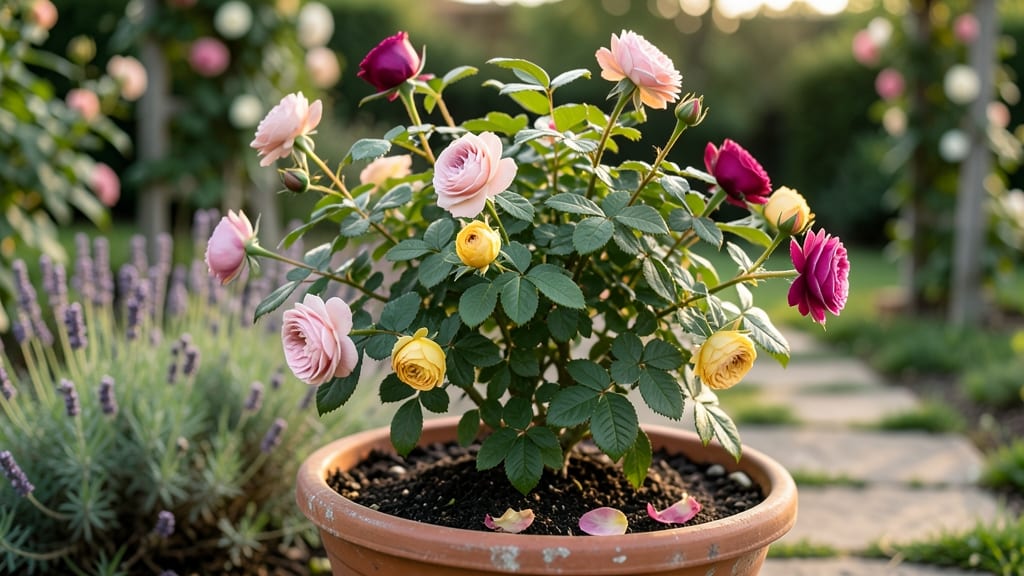
Miniature rose shrubs bring delicate blooms and sweet fragrance without the thorns or fuss of traditional roses. 🌹 I've grown them for years, and they've become my go-to for adding color and charm to small spaces—whether that's a window box, patio pot, or garden border.
These little powerhouses thrive in well-draining soil and need just 4-6 hours of sunlight daily, making them perfect for partial shade too. Unlike their larger cousins, they bloom continuously with minimal pruning, rewarding you with clusters of tiny flowers that smell like a summer garden in every season.
You'll love how they stay compact (typically 1-3 feet tall) while packing a punch of fragrance. The secret to their success? Consistent moisture and occasional deadheading to keep them flowering all year.
They're beginner-friendly but advanced gardeners swear by them too—ideal for cutting gardens, fairy landscapes, or even as fragrant hedges. Let's get yours growing!
📚 In This Guide
- What you need
- Instructions
- Tips and common mistakes
- Wrapping up and next steps
What you need
- ● Miniature rose shrubs: Choose thornless varieties like ‘Fairy’ or ‘Baby Love’ (3–5 plants for a small garden, 5–7 for a border).
- ● Well-draining soil: Mix 1 part garden soil, 1 part compost, and 1 part perlite or coarse sand (10–15 gallons per plant).
- ● Organic fertilizer: Slow-release rose fertilizer (e.g., 10-10-10) or composted manure (1 cup per plant).
- ● Mulch: Wood chips or straw (2–3 inches thick) to retain moisture and suppress weeds.
- ● Garden trowel or shovel (for planting).
- ● Pruning shears (sterilized with rubbing alcohol).
- ● Watering can or hose with a gentle spray nozzle (avoid overhead watering).
- ○ Gloves (optional but recommended for thornless varieties—just in case!).
- ● Container pots (12–15 inches deep, with drainage holes, if growing in pots).
- ● Sunlight: 6+ hours of full sun daily (partial shade in hot climates).
- ● Watering schedule: 1–1.5 inches per week (daily in extreme heat).
- ● Spray bottle (for misting leaves in dry conditions).
- ● Pest control: Neem oil or insecticidal soap (for aphids or spider mites).
- ● Rose-specific trellis or obelisk (for climbing varieties).
- ● Slow-release moisture granules (to reduce watering frequency).
- ● Decorative stones or pebbles (for a polished container garden look).
- ● Fragrance catchers (to preserve those sweet scents indoors!).
Step-by-step guide to planting and caring for miniature rose shrubs
Here’s how to cultivate these delicate beauties for lush, fragrant blooms all year—no thorns, just elegance.
🌱 Step 1: Select the Perfect Planting Site
Miniature roses thrive in full sun—at least 6 hours daily—so choose a spot with southern or western exposure. I always test the location first: mark where the sun hits at midday and early afternoon, then adjust if shadows linger too long. These roses tolerate light shade but produce fewer blooms.
Ensure the soil drains well—waterlogged roots spell disaster. If your garden soil is heavy clay, amend it with compost before planting. I dig in a 2-inch layer around the intended planting area to loosen the earth and encourage root spread. Avoid low spots where water pools after rain.
🪴 Step 2: Plant at the Right Depth and Spacing
Dig a hole twice as wide as the root ball but only as deep as the container’s base. Miniature roses grow best when planted no deeper than their original soil line—burying the graft union (visible as a slight swelling) invites disease. Gently loosen the roots if they’re circling the pot.
Space shrubs 18–24 inches apart for airflow and easy maintenance. I like to plant in groups of three or five for a natural, cascading effect—just be sure each plant has elbow room. Backfill with native soil mixed with a handful of slow-release fertilizer to kickstart growth.
☀️ Step 3: Water Deeply and Mulch for Retention
Water thoroughly immediately after planting to settle the soil and eliminate air pockets. Let the top 2 inches of soil dry between waterings—overhead watering can spread fungal spores, so I use a soaker hose or water at the base. Miniature roses are drought-tolerant once established but wilt quickly if parched.
Apply 2–3 inches of mulch (like shredded bark or pine needles) around the base, keeping it 2 inches away from the stem to prevent rot. This conserves moisture and regulates soil temperature. I reapply mulch in late winter to protect roots from frost heaves.
✂️ Step 4: Prune for Shape and Continuous Blooms
Prune in early spring (just as buds swell) to remove dead or crossing branches. I cut back one-third of the oldest canes to encourage new growth and open the center for airflow. Avoid heavy pruning in fall—it stimulates tender shoots that won’t survive winter.
Deadhead spent blooms regularly to prompt more flowers. For a bushier habit, pinch back the tips of new growth by one-third when they reach 4–5 inches tall. This redirects energy to branching rather than vertical growth—key for maintaining their compact form.
🌿 Step 5: Fertilize and Protect for Year-Round Health
Feed every 4–6 weeks during the growing season with a balanced rose fertilizer (10-10-10 or similar). I mix it into the soil at the base, then water deeply to activate nutrients. Avoid high-nitrogen fertilizers—they produce lush foliage but fewer blooms.
Watch for pests like aphids or spider mites, which love tender new growth. Spray with neem oil at the first sign of trouble, and cover plants with frost cloth in winter if temperatures dip below 20°F. Miniature roses are hardy but benefit from a little extra insulation.
Tips & tricks for perfect miniature rose shrubs
Here's what nobody tells you about keeping these delicate beauties thriving year after year.
Sunlight Strategy: Those critical 6 hours of sunlight are non-negotiable for maximum blooms. I test sun exposure by placing a garden stake in the proposed spot at midday and marking the shadow line. If shadows linger past 3 PM, consider a different location—even partial shade can reduce blooms by 40%. For container growing, rotate pots weekly to ensure even sun exposure all around.
Planting Depth Secret: The graft union (that little swelling near the base) must remain visible above soil level—burying it triggers disease. When loosening roots, I gently tease them apart with my fingers rather than cutting, which prevents root damage. For container plants, use pots with drainage holes and elevate them on feet to prevent water pooling at the base.
Watering Wisdom: The 2-inch soil dryness rule is your guide, but check moisture by sticking your finger in the soil—if it feels dry 2 inches down, it's time to water. I water in the early morning to prevent fungal issues from evening moisture. For containers, water until it runs freely from the drainage holes, ensuring roots get fully hydrated.
Pruning Precision: When cutting back one-third of oldest canes in early spring, I look for canes that are thinner and less vigorous than others. For deadheading, I use clean, sharp pruners and make cuts just above a leaf node or outward-facing bud. This encourages new growth in the right direction for a fuller shrub.
Pro Tips for Miniature Rose Shrubs
- Here's what nobody tells you about keeping these delicate beauties thriving year after year.
- Sunlight Strategy: Those critical 6 hours of sunlight are non-negotiable for maximum blooms. I test sun exposure by p...
- Planting Depth Secret: The graft union (that little swelling near the base) must remain visible above soil level—bury...
Frequently asked questions
How often should I water miniature rose shrubs?
Water your miniature roses deeply but infrequently—about 1-2 times per week (adjust for heat/drought). Aim for 1-2 inches of water per week, ensuring the soil stays moist but not soggy. Mulch helps retain moisture. Pro tip: Water at the base in the morning to prevent fungal issues from evening dampness.
When is the best time to prune miniature rose shrubs?
Prune in early spring (March-April) before new growth starts, and lightly again after blooming in late spring/early summer. Remove dead, crossing, or weak stems to encourage airflow. Avoid heavy pruning in fall—it reduces winter hardiness. Bonus: Deadhead spent blooms to prolong flowering!
Are miniature rose shrubs really thornless?
Most miniature roses have very small or soft thorns, making them safer than traditional roses—but not completely thornless. Choose varieties like 'Pinkie' or 'Fairy Tale' for the fewest prickles. Wear gloves when pruning, and place them near patios or walkways for easy access without hazards.
Can I grow miniature rose shrubs in containers?
Use a container at least 12-15 inches deep with drainage holes. Opt for a well-draining potting mix (like 60% soil, 30% perlite, 10% compost). Repot every 2-3 years and fertilize monthly during growing season. Tip: Place containers in full sun (6+ hours/day) for best blooms.
What pests should I watch for on miniature rose shrubs?
Common pests include aphids, spider mites, and rose slugs. Treat aphids with a strong spray of water or insecticidal soap. For mites, use neem oil. Rose slugs (sawfly larvae) can be handpicked or controlled with Bt (Bacillus thuringiensis). Preventative tip: Encourage ladybugs and lacewings—natural predators!
How do I protect miniature roses in winter?
Most miniature roses are hardy to USDA Zones 5-9, but young plants or tender varieties need extra care. Mulch heavily (4-6 inches) around the base, and wrap canes in burlap if temps drop below 20°F. Avoid heavy snow buildup—gently brush it off. Pro move: Plant in sheltered spots (like near fences) for wind protection.
Wrapping up and next steps
Miniature rose shrubs bring year-round beauty and fragrance to your garden with their thornless elegance and compact size—perfect for small spaces, containers, or as charming borders. Whether you’re drawn to their delicate blooms, low-maintenance care, or pollinator-friendly appeal, these shrubs prove that big impact doesn’t require big space.
Ready to transform your outdoor oasis? Start by selecting the right variety, prepping your soil, and giving your shrubs the love they deserve—your garden (and senses!) will thank you.
🌸 Pro tip: Snap a photo of your first blooms and track your progress—it’s the best way to celebrate your green thumb growing!