
Shrubs
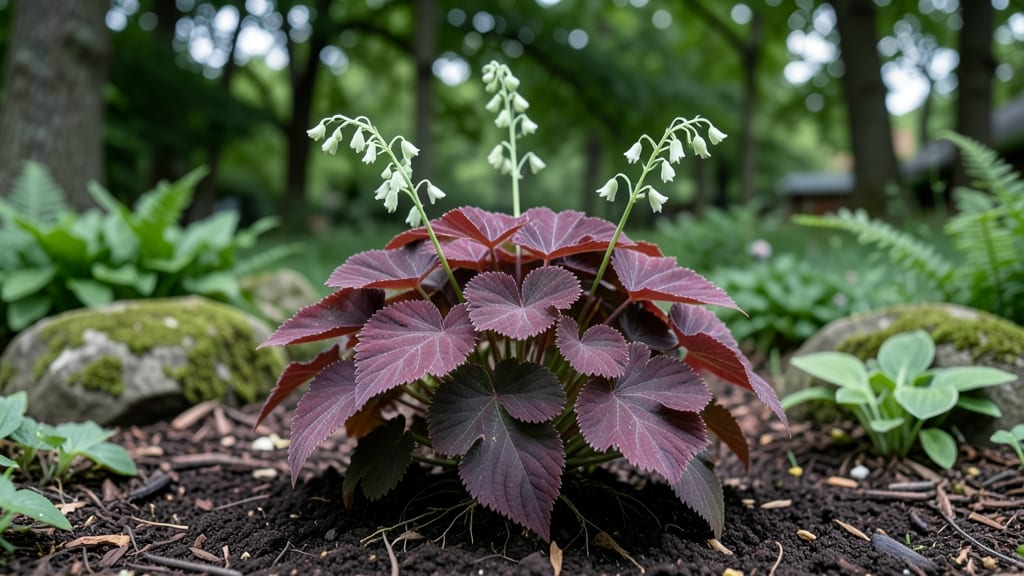
Low sun shrubs are perfect for shady areas needing minimal water, offering evergreen beauty while adapting to dry conditions. My top recommendations—boxwood, inkberry holly, and Japanese pieris—stand out for their resilience and lush foliage.
These shrubs excel because their slow growth and deep roots help them conserve moisture while still thriving in partial shade. 🌿 Unlike sun-loving plants, they develop thicker leaves to reduce water loss, making them ideal for water-conscious gardens.
I’ve found boxwoods especially adaptable, handling both dry spells and occasional shade shifts without stress.
For a drought-tolerant garden, consider pairing these with other shade-friendly plants like azaleas or ferns. Their layered textures create visual interest while keeping maintenance low. The key is choosing varieties that match your region’s climate—some, like inkberry holly, even tolerate wetter soils, adding versatility.
💡 In This Article
- How Low Sun Shrubs Survive in Shade and Drought
- Top 10 Drought-Tolerant Shrubs for Shady Gardens
How low sun shrubs survive in shade and drought
Low sun shrubs have evolved remarkable botanical adaptations that let them thrive where other plants would struggle. Their secret lies in a combination of slow growth rates and deep root systems that stretch 3-5 feet below the surface to access moisture and nutrients.
Unlike sun-loving plants that grow rapidly to maximize photosynthesis, these shrubs grow just 6-12 inches per year, conserving energy and water during dry periods. 🌱 This strategy allows them to maintain their structure while enduring prolonged shade and drought.
Their leaves are another key adaptation—thicker and waxier than sun-loving varieties, which reduces water loss through transpiration. For example, boxwood leaves have a cutin layer that acts like a natural waterproof coating, while inkberry holly develops a slightly grayish hue that reflects sunlight and heat.
These features let them survive with as little as 1 inch of water per month once established, compared to 2-3 inches needed by sun-loving shrubs like hydrangeas.
Root structure plays a crucial role too. Low sun shrubs develop a taproot system that anchors deeply, while also sending out lateral roots to capture any available moisture.
Japanese pieris, for instance, has roots that spread 2-3 feet wide while growing down, creating a network that efficiently collects water even in dry soil. This contrasts sharply with sun-loving shrubs that rely on shallow, widespread roots to maximize surface area for quick water absorption.
Another fascinating adaptation is their ability to photosynthesize efficiently in low light. These shrubs produce more chlorophyll in their leaves when exposed to limited sunlight, allowing them to capture whatever light reaches them.
Boxwoods, for example, can grow in areas receiving as little as 2-3 hours of direct sunlight daily, while still maintaining their vibrant green foliage through a process called shade acclimation.
What makes these adaptations truly impressive is how they work together. The combination of slow growth, deep roots, and water-efficient leaves creates a plant that's not just drought-tolerant, but also shade-adapted.
This dual resilience explains why they thrive in challenging conditions where other plants would fail. 💧 For gardeners, this means less watering and pruning while still enjoying lush, green foliage year-round.
Consider how this compares to sun-loving shrubs: while roses or lavender need full sun to produce their signature blooms, low sun shrubs focus on maintaining their structural integrity and foliage quality regardless of light conditions.
This physiological difference is why boxwoods remain popular in foundation plantings—they provide year-round greenery without demanding constant care or ideal growing conditions.