
Shrubs
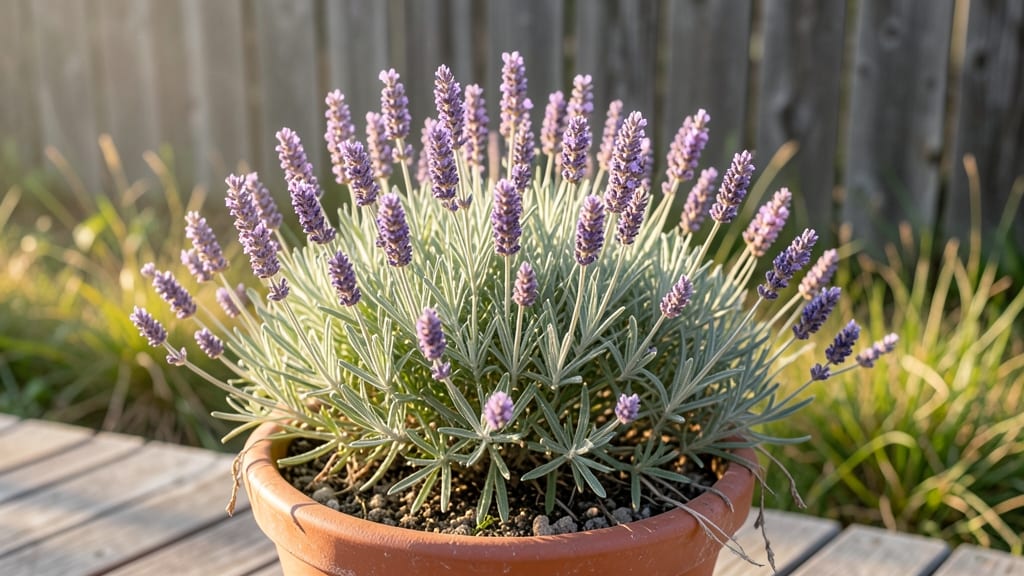
Finding low maintenance all year round flowering shrubs that thrive with minimal effort is a game-changer—my abandoned garden corner now bursts with color without a single pruning session in sight. 🌸 These tough plants handle drought, pests, and even poor soil with surprising grace.
The key is choosing varieties that naturally rebloom or have seasonal interest, so you get flowers from spring through winter without lifting a finger. My top picks include Camellias for winter blooms, Abelia for summer-to-fall color, and Dwarf Fothergilla for spring showstoppers—each handles 3-4 weeks of drought once established.
They fit any garden style, from formal hedges to wild, cottage landscapes. The secret? Most need just one annual pruning in late winter to keep them tidy. You'll end up with a garden that looks intentional, not labored—think soft pinks, whites, and purples cascading through every season.
These shrubs attract pollinators year-round, too, so your garden stays lively even when you're not. Perfect for busy gardeners or anyone tired of fighting plants that refuse to cooperate. Works in zones 5-9, from coastal gardens to inland heat, and scales from small containers to full-size hedges.
Let's make your garden work for you, not the other way around.
📚 In This Guide
- What you need
- Instructions
- Tips and common mistakes
- Wrapping up and next steps
What you need
- ● Shrubs: 1–3 Abelia × grandiflora (or other low-maintenance bloomers like Camellia, Hydrangea, or Weigela)
- ● Organic potting mix (5–10 gallons, depending on pot size) or well-draining garden soil
- ● Planting Supplies: Garden trowel or shovel (for transplanting)
- ○ Gloves (optional but recommended for comfort)
- ● Slow-release fertilizer (e.g., Osmocote or Miracle-Gro Shake ’n Feed)
- ● Watering Tools: Watering can or hose with a gentle spray nozzle
- ○ Drip irrigation kit (optional, for automated care)
- ● Pruning Tools: Bypass pruners (sharp, for clean cuts)
- ● Loppers (for thicker branches, if needed)
- ○ Garden shears (optional, for shaping)
- ● Mulch (2–3 inches of pine bark or shredded leaves to retain moisture)
- ● Plant food (liquid or granular, for occasional boosts)
- ● Pest control spray (neem oil or insecticidal soap, if pests become an issue)
- ● Garden stakes or supports (for taller shrubs like Hydrangea)
Instructions for planting and caring for low-maintenance flowering shrubs
Here's how to set these resilient beauties up for years of effortless color—no green thumb required.
🪴 Step 1: Choose the Right Planting Location
Most low-maintenance flowering shrubs thrive in full sun to partial shade, with at least 6 hours of sunlight daily. Observe your yard's light patterns for a week first—some spots get morning sun but afternoon shade, while others stay in full light all day. For example, hydrangeas and abelia perform best with morning sun and afternoon shade in hot climates.
Dig holes twice as wide and just as deep as the root ball. This loose soil encourages roots to spread outward instead of circling, which prevents stress later. Amend the native soil with a 2-3 inch layer of compost mixed into the bottom of the hole—this boosts drainage and provides nutrients without overwhelming the plant.
☀️ Step 2: Plant at the Correct Depth and Water Thoroughly
Position the shrub so the top of the root ball sits 1 inch above ground level. This prevents soil from settling and burying the stem, which can cause rot. Gently backfill with the amended soil, pressing lightly to remove air pockets but avoiding compaction. A slight gap between the root ball and surrounding soil helps roots establish more quickly.
Water immediately after planting with 1-2 gallons of water per plant, soaking the root zone until water runs out the bottom. This ensures the soil makes full contact with roots. Mulch with 2-3 inches of organic mulch (like shredded bark) around the base, keeping it 3 inches away from the stem to prevent moisture buildup that invites disease.
💧 Step 3: Establish a Simple Watering Schedule
For the first 2-3 weeks, water newly planted shrubs every 2-3 days until the soil is 6 inches deep and moist. Check moisture by inserting your finger—if the top inch feels dry, it's time to water. Overwatering at this stage can suffocate roots, so focus on deep, infrequent watering to encourage strong root growth.
Once established (after 6-8 weeks), most low-maintenance shrubs only need 1 inch of water per week, including rainfall. Drought-tolerant varieties like butterfly bush or abelia can go 2-3 weeks without supplemental water once roots are deep. The key is letting the soil dry out between waterings—this trains roots to seek moisture deeper in the soil.
✂️ Step 4: Prune Strategically for Continuous Blooms
Prune most flowering shrubs right after they finish blooming to encourage next year's flowers. For example, prune hydrangeas in late summer to promote strong stems for next spring's blooms. Remove dead, diseased, or crossing branches first, cutting back to a healthy bud or lateral branch. Avoid heavy pruning in fall or winter—this removes next year's flower buds.
Shape lightly in early spring by trimming back any overgrown branches by 1/3 of their length. This keeps the shrub compact and encourages bushier growth. Never prune more than 1/3 of the plant at once, as this stresses the shrub and can reduce flowering. Use clean, sharp pruners to make cuts at a 45-degree angle, just above a leaf node.
🌿 Step 5: Fertilize Sparingly for Long-Term Health
Apply a balanced, slow-release fertilizer (10-10-10) in early spring, following label instructions for your shrub's size. Over-fertilizing leads to lush foliage but fewer flowers, so skip fertilizer in the second year unless the plant looks weak. Organic options like composted manure or bone meal work well for established shrubs.
Monitor for signs of nutrient deficiency—yellowing leaves often mean nitrogen deficiency, while purple stems indicate phosphorus lack. If you notice these, apply a targeted fertilizer (like iron sulfate for yellowing) but avoid heavy feeding. Most low-maintenance shrubs prefer lean soil and thrive with minimal intervention. The goal is to support growth, not force it.
Tips & tricks for perfect low-maintenance flowering shrubs
These simple yet powerful strategies will help you keep your flowering shrubs looking effortless year after year—no gardening degree required.
Location Intelligence: Pay close attention to your yard's microclimates before planting. The 6 hours of sunlight mentioned in Step 1 should be direct morning sun, not harsh afternoon rays in hot climates. I always check my yard for 7 days first, noting which areas get morning sun with afternoon shade—this is perfect for heat-sensitive varieties like hydrangeas. A simple DIY solution: Use a white board to track sun patterns for a week before planting.
Root Ball Secrets: When planting, don't just drop the shrub in the hole—loosen the root ball's edges with your fingers before placing it in. This encourages roots to spread outward immediately rather than circling, which prevents stress later. The 1 inch above ground level position in Step 2 is critical: If you bury the stem, it can rot; if you plant too high, roots won't establish properly. Use a level to check depth before backfilling.
Watering Wisdom: The 2-3 weeks of frequent watering in Step 3 is non-negotiable, but how you water matters more than how often. Use a hose with a gentle spray nozzle to soak the soil until water runs out the bottom—this ensures full root contact. For established plants, the 1 inch per week rule works best when delivered all at once (like on Sunday mornings) rather than daily sprinkles, which encourages shallow roots.
Pruning Precision: When shaping in early spring (Step 4), cut just above a leaf node at a 45-degree angle—this directs water away from the cut and promotes faster healing. I always prune on a dry day when the shrub is dormant (early morning or late afternoon) to minimize stress. For dead branches, cut all the way back to the main stem rather than leaving stubs, which can trap moisture and cause rot.
Pro Tips for Low Maintenance All Year Round Flowering Shrubs
- These simple yet powerful strategies will help you keep your flowering shrubs looking effortless year after year—no g...
- Location Intelligence: Pay close attention to your yard's microclimates before planting. The 6 hours of sunlight ment...
- Root Ball Secrets: When planting, don't just drop the shrub in the hole—loosen the root ball's edges with your finger...
Frequently asked questions
Got questions about keeping your garden blooming without the hassle? Here are answers to the most common queries about low-maintenance, all-year-round flowering shrubs—so you can enjoy effortless beauty!
What are the easiest all-year-round flowering shrubs for beginners?
Start with Abelia, Camellia, or Dwarf Gardenia—they’re tough, adaptable, and bloom with minimal fuss. Abelia thrives in partial shade, while Camellias love moisture and Gardenia prefers warmth. All three reward you with vibrant blooms with little effort!
How often should I water these shrubs if I’m on vacation?
Most low-maintenance shrubs like Butterfly Bush or Olearia can handle 1-2 weeks without water if planted in well-draining soil. Before leaving, soak the root zone deeply and mulch to retain moisture. For extreme heat, set up a drip irrigation timer or ask a neighbor to spot-water!
Do these shrubs need pruning, and when’s the best time?
Prune after blooming (late spring/early summer) to encourage new growth. For Camellias, wait until spring—never prune after buds form! Use clean shears to shape lightly, removing only 1/3 of the plant at a time. Skip pruning for shrubs like Abelia unless they’re overgrown!
What pests or diseases should I watch for, and how do I prevent them?
Common issues include aphids (spray with soapy water) and powdery mildew (improve air circulation). Prevent problems by:
- Water at the base (avoid wetting leaves).
- Choose disease-resistant varieties (e.g., Camellia ‘Nuccio’s Pearl’).
- Mulch to deter weeds and pests.
Can I grow these shrubs in containers, or do they need in-ground planting?
Dwarf varieties like Abelia ‘Kaleidoscope’ or Gardenia ‘Radicans’ thrive in 15–20 gallon pots with drainage holes. Use well-draining potting mix and repot every 2–3 years. Just ensure they get 6+ hours of sunlight (adjust based on the shrub’s needs) and water consistently.
Wrapping up and next steps
Transforming your garden into a vibrant, low-maintenance paradise is easier than you think!
These all-year-round flowering shrubs prove that beauty doesn’t require backbreaking work—just a little upfront love and then let nature take the wheel. 🌸 Whether you’re a busy bee or a gardening newbie, these resilient plants will reward you with color, texture, and joy without the fuss.
Ready to dive in? Start by picking one or two shrubs that suit your climate and space, then give them the perfect home. Next step: Grab your gloves, sketch a simple planting plan, and watch your garden bloom effortlessly—year after year! 🌿