
Shrubs
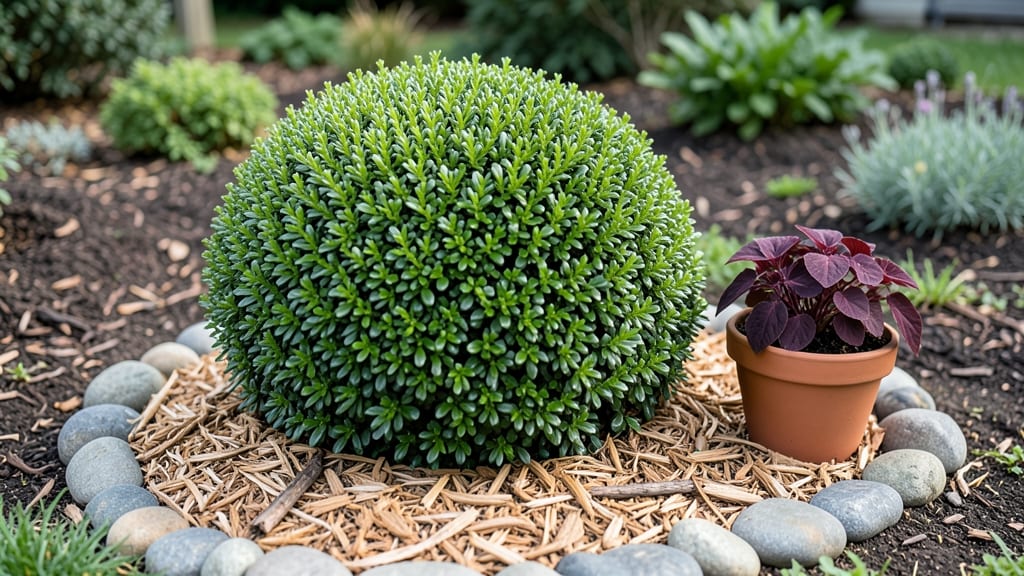
Your front yard's first impression doesn't need to scream "maintenance" - low-growing shrubs for front of house create that polished, welcoming look while staying perfectly proportioned. 🌿 I've designed front yards where these shrubs block nosy neighbors' views without stealing the house's grandeur, using plants that top out at 2-3 feet but pack serious seasonal interest.
The secret is mixing textures and colors: evergreens like Dwarf Boxwood (1-2 feet tall) provide year-round structure, while deciduous picks like Abelia (2-3 feet) burst with pink blooms in summer and fiery fall foliage.
Most need just 6-8 hours of sun and thrive in average soil - no fancy amendments required. My favorite combo? A boxwood border with Dwarf Fothergilla for spring blooms and autumn color.
In just three years, you'll have a living frame that softens your house's lines while adding privacy. These shrubs stay compact enough to mow around (no hedge trimmer needed) and their layered blooms create movement that makes your home look more inviting.
The best part? They're deer-resistant and handle drought once established - perfect for low-maintenance curb appeal.
Place them in odd-numbered groups along walkways or as a low hedge behind foundation plantings. Pair with ornamental grasses or spring bulbs for extra seasonal punch. Whether you want to hide the AC unit or just add dimension to your entry, these shrubs deliver instant sophistication with minimal effort.
📚 In This Guide
- What you need
- Instructions
- Tips and common mistakes
- Wrapping up and next steps
What you need
- ● Low-growing shrubs (5–10 plants): Choose from varieties like Dwarf Boxwood, Creeping Juniper, Lantana, or Dwarf Fountain Grass. Pick 3–5 per linear foot of space for full coverage.
- ● High-quality potting soil or native soil mix: 2–3 cubic yards (adjust based on planting area). Opt for well-draining soil amended with compost.
- ● Organic mulch: 2–3 bags (e.g., shredded bark or pine straw) to retain moisture and suppress weeds.
- ● Fertilizer: Slow-release granular fertilizer (10-10-10 ratio) or organic options like fish emulsion. Use ~1 lb per 100 sq ft.
- ● Watering can or hose with a gentle spray nozzle: For post-planting hydration.
- ● Garden trowel or spade: For digging holes (6" wide and deep for each plant).
- ● Measuring tape: To space plants 12–36" apart (check plant tags for specifics!).
- ● Pruning shears: For trimming and shaping after planting.
- ● Gloves: Heavy-duty work gloves to protect your hands.
- ● Wheelbarrow or bucket: For hauling soil, mulch, or tools.
- ● Plant stakes or labels: To mark varieties and track growth.
- ● Edging tool: For clean borders between shrubs and lawn.
- ● Drip irrigation kit: For efficient watering (especially in hot climates).
- ● Soil pH tester: To ensure your plants thrive in optimal conditions.
- ● Decorative rocks or edging stones: For a polished, finished look.
How to select and plant low-growing shrubs for a privacy-focused front yard
Here’s how to create a lush, low-profile privacy screen that thrives in three years or less.
🌿 Step 1: Choose the Right Shrubs for Your Climate and Space
Select compact, slow-growing varieties that mature between 2-4 feet tall—perfect for framing a front entry without overwhelming it. Dwarf boxwoods (Buxus spp.) and Japanese spiraea (Spiraea japonica) are classic choices, but consider dwarf lilacs (Syringa meyeri) for fragrant blooms or inkberry holly (Ilex glabra) for year-round structure. Check your USDA hardiness zone—most low-growing shrubs thrive in zones 5-9 but may need winter protection in colder regions.
I always verify spacing requirements on the plant tag—3-5 feet apart is typical for most low shrubs, but some like dwarf fountain grass (Pennisetum alopecuroides) can handle 2 feet of clearance. Plan for mature size to avoid overcrowding, which leads to disease and weak growth. Sketch a rough layout before purchasing; a 6-inch grid on graph paper helps visualize proportions.
☀️ Step 2: Pick the Perfect Planting Location
Low-growing shrubs need at least 6 hours of sunlight daily for best growth, but some varieties like dwarf hydrangeas (Hydrangea macrophylla ‘Little Lime’) tolerate partial shade. Avoid spots with reflective heat (like black asphalt) or poor drainage—both stress plants and stunt growth. Test soil moisture by digging a 6-inch hole; if water pools after 30 minutes, amend with 2-3 inches of compost to improve drainage.
For privacy, plant in a semi-circular or linear formation along walkways or driveways. I like to stagger plants in odd-numbered groupings (3, 5, or 7) for a natural, balanced look. If your yard has slope, plant higher varieties on the uphill side to create a gradual privacy barrier. Mark planting spots with stakes and twine before digging to avoid misalignment.
🪴 Step 3: Dig Holes and Plant for Long-Term Stability
Dig holes twice as wide as the root ball but no deeper—this encourages roots to spread outward instead of circling, which weakens plants. Loosen the root ball gently if roots are tightly bound, then place the shrub in the hole so the top of the root ball sits level with the surrounding soil (never buried deeper). Fill the hole with native soil mixed with 1 part compost to boost nutrients.
Water deeply after planting to settle the soil and eliminate air pockets. I like to add a 2-inch layer of mulch (like pine straw or shredded bark) around the base, keeping it 3 inches away from the stem to prevent rot. Mulch helps retain moisture and suppress weeds—critical for young shrubs still establishing roots. Avoid over-mulching, which smothers stems and invites pests.
💧 Step 4: Water and Fertilize for the First Critical Season
Newly planted shrubs need 1-1.5 inches of water weekly for the first year, more in hot, dry climates. Water at the base, not overhead, to prevent fungal diseases like powdery mildew. Use a soaker hose or drip irrigation for deep, even moisture—this mimics natural rainfall and encourages strong root development. Check soil moisture by pushing a finger 2 inches deep; if dry, water again.
Fertilize lightly in early spring with a balanced, slow-release fertilizer (like 10-10-10) to avoid burning tender roots. I skip fall fertilization—it encourages late-season growth that won’t harden off before winter. Prune only to shape the plant after the first growing season; never cut back more than one-third of the foliage at once. This ensures dense, bushy growth from the start.
✂️ Step 5: Prune and Maintain for a Polished Look
Prune low-growing shrubs once a year in late winter or early spring, just as new growth begins. Use clean, sharp shears to make cuts at a 45-degree angle just above a bud or branch junction. Remove dead, diseased, or crossing branches first, then shape the plant by trimming back overly long stems to maintain the desired height. For boxwoods and hydrangeas, a light shearing after flowering keeps them compact.
Monitor for pests like spider mites or aphids—low-growing shrubs are vulnerable due to their proximity to ground-level traffic. Spray with neem oil or insecticidal soap if you spot webbing or sticky residue on leaves. In Zone 5 or colder, wrap young shrubs in burlap or frost cloth during the first winter to protect them from temperature swings. With consistent care, your privacy screen will fill in beautifully within 3 years.
Tips & tricks for perfect low-growing shrubs
These essential strategies will help you create a thriving privacy screen that stays compact and flourishes for years.
Selection Tip: When choosing shrubs, prioritize varieties labeled "compact" or "dwarf" on the tag—these are specifically bred to stay within your desired 2-4 foot height range. I've found that Buxus varieties like 'Green Velvet' mature at just 2 feet tall, making them ideal for tight spaces. Always check the mature height on the plant tag, not the container size, as this can be misleading. For fragrance lovers, Syringa meyeri (dwarf lilac) produces stunning blooms while staying under 3 feet—just be aware it needs full sun to perform best.
Sunlight Strategy: The 6 hours of sunlight requirement is non-negotiable for most low-growing shrubs, but here's the secret: morning sun with afternoon shade works better than harsh afternoon exposure in hot climates. I've seen Spiraea japonica scorch when planted in full western sun, while the same plants thrive with morning light. Test your location by observing how sunlight moves across your yard throughout the day—this helps you place sun-loving varieties like boxwoods in optimal positions while saving shade-tolerant options for protected spots.
Planting Precision: The 3-5 foot spacing recommendation might seem generous, but it's crucial for preventing overcrowding that leads to weak growth and disease. I learned this the hard way when my first attempt with boxwoods planted too closely resulted in powdery mildew within two years. For a more natural look, consider staggering plants in a 3-4-5 pattern (three plants in the front row, four in the middle, five in the back) rather than planting in straight lines. This creates visual interest while maintaining proper airflow between plants.
Watering Wisdom: That 1-1.5 inches of water weekly is a baseline, but the real key is consistency. I've found that using a rain gauge or measuring cup to track watering helps maintain proper moisture levels—many people underestimate how much water they're actually providing. For newly planted shrubs, water deeply every 2-3 days for the first month to encourage root establishment. The 2-inch deep soil check is your best indicator: if it's dry at that depth, it's time to water again. Mulch plays a crucial role here by reducing evaporation and keeping roots cool.
Pro Tips for Low-Growing Shrubs For Front Of House
- These essential strategies will help you create a thriving privacy screen that stays compact and flourishes for years.
- Selection Tip: When choosing shrubs, prioritize varieties labeled "compact" or "dwarf" on the tag—these are specifically bred to stay within your desired 2-4 foot height range.
- Sunlight Strategy: The 6 hours of sunlight requirement is non-negotiable for most low-growing shrubs, but here's the secret: morning sun with afternoon shade works better than harsh afternoon exposure in hot climates.
Frequently asked questions
Got questions about choosing and caring for low-growing shrubs to frame your front yard?
Here are answers to the most common ones—so you can create a polished, low-maintenance look without the guesswork.
What’s the best low-growing shrub for full sun exposure?
Opt for boxwood (Buxus) or dwarf lilac (Syringa meyeri)—both thrive in full sun and stay compact (2–3 feet tall). For a pop of color, creeping thyme (Thymus serpyllum) or dwarf butterfly bush (Buddleia davidii 'Nanho Blue') are sun-loving, drought-tolerant picks. Just ensure well-draining soil!
How long does it take for low-growing shrubs to fill out?
Most low shrubs reach 50% coverage in 1–2 years and full maturity (height/width) in 3 years with proper care. Fast growers like creeping juniper (Juniperus horizontalis) may fill gaps sooner, while slower types (e.g., dwarf ninebark) take patience. Mulch and water consistently to speed things up!
Do these shrubs need frequent watering?
Newly planted shrubs need deep watering 2–3 times weekly for the first month, then taper to once a week (or during droughts). Once established (after 1–2 years), most low-growing shrubs are drought-tolerant. Pro tip: Water at the base—not leaves—to prevent fungal issues.
Can I mix perennials with low shrubs for year-round interest?
Pair shrubs like boxwood or inkberry holly with heuchera (coral bells), sedum, or ornamental grass for texture and color. Just ensure perennials won’t outcompete your shrubs—stick to low-spreading types (under 12 inches tall) to keep the tidy look.
What’s the easiest way to keep pests away?
Prevention starts with healthy soil (rich in compost) and proper spacing (3–6 feet apart for airflow). For common pests:
- Spider mites: Spray with water or neem oil.
- Aphids: Blast off with a strong hose stream.
- Japanese beetles: Handpick or use milky spore bacteria.
Are any low shrubs winter-hardy for cold climates?
Yes! Choose boxwood (Zones 4–9), dwarf ninebark (Zones 3–8), or creeping juniper (Zones 3–9) for cold resistance. Mulch heavily (3–4 inches) in late fall to protect roots. Avoid tender types like dwarf butterfly bush in Zone 5 or below—opt for wintergreen boxwood instead!
Wrapping up and next steps
Transforming your front yard with low-growing shrubs is a game-changer—adding curb appeal, privacy, and low-maintenance beauty in just three years! 🌿 From drought-resistant dwarf boxwoods to fragrant lavender, these plants offer year-round interest while keeping your space tidy and inviting.
Whether you’re aiming for a polished look or a cozy cottage vibe, the right shrubs can make all the difference.
Ready to get started? Pick your favorites, sketch a simple layout, and plant them this season! Your front yard (and neighbors) will thank you. 🌟