
Shrubs
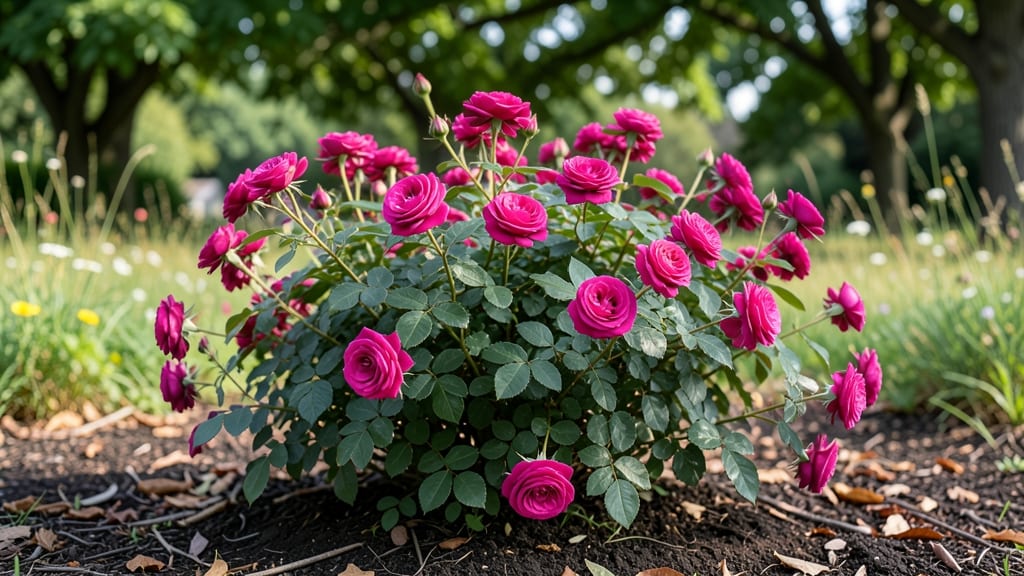
Low-growing rose shrubs create a fragrant, living screen that never needs heavy pruning. 🌹 I've used them to replace boring fences and dull hedges with something that smells like a summer garden all year.
These compact varieties thrive at just 2-3 feet tall, making them perfect for borders, ground cover, or mixed shrub beds where height isn't the priority. The real magic happens in how they layer with other plants.
Pair them with lavender for purple-blue contrast, ornamental grasses for movement, or low perennials like catmint for continuous blooms. My favorite combination? A mix of 'The Fairy' roses with silver foliage and deep purple salvia—it's a color palette that pops without trying too hard.
You'll get season-long interest: fragrant blooms in spring, glossy foliage through summer, and even winter stems that add texture. The minimal pruning means less work for you, but the visual impact stays high all season. These roses even handle partial shade better than most.
Works equally well in formal gardens, cottage-style plantings, or even as a living border along walkways. Here's how to make them the star of your design without the fuss.
📚 In This Guide
- What you need
- Instructions
- Tips and common mistakes
- Wrapping up and next steps
What you need
- ● Low-growing rose shrubs: 5–10 plants (depending on desired coverage; varieties like ‘The Fairy’, ‘Playboy’, or ‘Bonica’ work well). Choose disease-resistant types for easier care.
- ● High-quality potting soil: 2–3 bags (or a mix of 60% topsoil, 30% compost, and 10% perlite/sand for drainage).
- ● Organic mulch: 1–2 bags (pine bark or shredded leaves to retain moisture and suppress weeds).
- ● Fertilizer: Slow-release rose fertilizer (e.g., Osmocote or Espoma Rose-Tone) or a balanced 10-10-10 granular formula.
- ● Pruning shears: Sharp, bypass-pruners (sterilized with rubbing alcohol to prevent disease).
- ● Garden gloves: Heavy-duty, waterproof gloves (to protect hands from thorns and soil).
- ● Watering can or hose: With a gentle spray nozzle (or a soaker hose for deep hydration).
- ○ Stakes or trellis: 4–6 bamboo stakes or a lightweight metal trellis (optional, for support if needed).
- ● Rose food: Liquid feed (e.g., Fish emulsion) for mid-season blooms.
- ● Compost tea: For a natural boost in beneficial microbes.
- ● Drip irrigation kit: To automate watering and save time.
- ● Epsom salt: 1–2 tablespoons per plant (occasional foliar spray for magnesium).
- ● Fungicide: Copper-based spray (preventative measure for powdery mildew).
How to plant and maintain low-growing rose shrubs for privacy
Here's how I create a fragrant, low-maintenance screen that blooms all season with roses that stay under 3 feet tall.
🪴 Step 1: Choose the Right Location and Prepare the Soil
Select a spot with at least 6 hours of sunlight daily—roses need full sun to thrive and produce their best blooms. I always check the area in late afternoon when the sun is lowest; that’s when you’ll see where shadows fall. The soil should drain well, so if your yard stays soggy after rain, amend it with 2-3 inches of compost mixed into the top 12 inches of soil.
Dig a hole twice as wide as the rose bush’s root ball but only as deep. This encourages roots to spread horizontally rather than settling too low, which can cause rot. Loosen the soil at the bottom of the hole with your fingers or a trowel—this helps roots penetrate easily. Here’s the thing: roses hate sitting in wet feet, so if your soil is heavy clay, add a 3-inch layer of gravel at the bottom before backfilling.
🌱 Step 2: Plant Bare-Root Roses Correctly for Strong Growth
Soak the bare-root rose in lukewarm water for 1-2 hours before planting to rehydrate the roots. This jumpstarts growth and reduces transplant shock. While it soaks, position the rose in the hole so the graft union (the bump near the base where the stem meets the rootstock) sits 2-3 inches below soil level. This protects it from cold and encourages bushier growth.
Spread the roots outward gently, making sure none are curled or folded. Fill the hole with soil, pressing lightly around the roots to remove air pockets. Water deeply until the soil settles 1 inch—this helps eliminate gaps. I always plant 4 bushes in a staggered row, spacing them 3 feet apart, to create a dense, natural-looking screen. Mulch with 2-3 inches of shredded bark around the base (but not touching the stem) to retain moisture and suppress weeds.
☀️ Step 3: Water and Fertilize for First-Year Establishment
Water deeply 2-3 times per week for the first month, keeping the soil evenly moist but not soggy. You’ll know it’s right when the top 2 inches of soil feel damp—like a wrung-out sponge. After that, water once a week unless it’s extremely hot or dry, then increase to twice weekly. Overwatering is the fastest way to kill roses, so I always check the soil before watering.
Wait 6-8 weeks after planting before fertilizing—this gives roots time to establish. Then, apply a balanced rose fertilizer (like 10-10-10) every 4-6 weeks during the growing season. I mix the fertilizer into the soil around the base, keeping it 6 inches away from the stem to avoid burning the roots. Here’s the trick: stop fertilizing after mid-summer to encourage hardier growth before winter.
✂️ Step 4: Prune for Shape and Health (Minimal Effort Required)
Prune once a year in early spring, just as new growth begins. Cut back dead or crossing branches first, then shape the bush by trimming 1/3 of the oldest canes to the ground. This keeps the plant compact and encourages new, vigorous growth. I always use clean, sharp pruners and make cuts at a 45-degree angle just above an outward-facing bud. This ensures the plant grows outward rather than inward.
Remove spent blooms regularly throughout the season to encourage more flowers. I pinch off wilted roses with my fingers—no tools needed—and this simple step keeps the bush looking tidy and promotes continuous blooming. Real talk: don’t over-prune. These low-growing varieties thrive with minimal trimming, so resist the urge to shape aggressively. The goal is a full, fragrant screen, not a manicured topiary.
🌿 Step 5: Protect and Maintain for Long-Term Beauty
In late fall, after the first hard frost, cut back all foliage to 6 inches above the ground. This prevents disease over winter and makes it easier to spot pests in spring. Mulch heavily (4-6 inches) with straw or leaves to insulate the roots—this is especially important in colder climates. I also wrap the canes loosely with burlap if temperatures drop below 10°F to prevent sunscald.
Watch for aphids or black spot (a fungal disease that looks like black spots on leaves). If you see these, treat with neem oil or fungicide as soon as possible. I spray in the early morning so the solution has time to dry before evening humidity sets in. With minimal pruning and consistent care, your low-growing rose screen will stay lush, fragrant, and nearly maintenance-free for years.
Tips & tricks for planting and maintaining low-growing rose shrubs
Creating a fragrant privacy screen doesn't have to be complicated—these simple strategies will help your low-growing roses thrive with minimal effort.
Sunlight Secret: While the instructions mention at least 6 hours of sunlight daily, I’ve found that morning sun plus afternoon shade works best in hot climates. If your roses start looking stressed (yellowing leaves, fewer blooms), they might be getting too much midday heat. Try moving them slightly to catch morning rays instead.
Soil Prep Pro Tip: When amending heavy clay soil with that 3-inch gravel layer, don’t just dump it in—mix it thoroughly with the native soil. I use my hands to work it into the bottom 6 inches of the hole, creating a loose, well-draining foundation. This prevents water pooling right at the roots while still allowing them to spread naturally.
Planting Position: The 2-3 inches below soil level for the graft union is non-negotiable, but here’s the trick: if you’re in a colder zone, bury it 3 inches deep to protect against winter heaving. In milder climates, 2 inches is perfect. After planting, press soil firmly around the base—this eliminates air pockets that could dry out roots during the critical first week.
Watering Wisdom: That 2-inch damp soil check is your best friend, but I’ve learned to water early in the morning instead of evening to prevent fungal issues. If you’re using a soaker hose, run it for 15-20 minutes per bush during the first month—this ensures deep, even moisture without wetting the foliage, which can invite diseases like black spot.
Pro Tips for Low Growing Rose Shrubs
- Creating a fragrant privacy screen doesn't have to be complicated—these simple strategies will help your low-growing ...
- Sunlight Secret: While the instructions mention at least 6 hours of sunlight daily, I’ve found that morning sun plus ...
- Soil Prep Pro Tip: When amending heavy clay soil with that 3-inch gravel layer, don’t just dump it in—mix it thorough...
Frequently asked questions
Got questions about low-growing rose shrubs? You’re not alone! Here are answers to the most common queries to help you grow a fragrant, low-maintenance privacy screen with ease.
What’s the best time of year to plant low-growing rose shrubs?
Plant them in early spring or early fall when temperatures are mild. This gives roots time to establish before extreme heat or cold sets in. Avoid planting in summer—heat stress can stunt growth, and winter planting may expose young shrubs to frost damage.
How often should I prune these shrubs, and when?
Low-growing roses need minimal pruning—just light shaping in late winter or early spring (before new growth starts). Remove dead or crossing branches, and trim back leggy stems by ⅓ to encourage bushier growth. Skip heavy pruning; these roses thrive with natural form!
Why are my rose leaves turning yellow, and how do I fix it?
Yellow leaves often signal overwatering, nutrient deficiency, or fungal issues. Check soil moisture—roses prefer well-draining soil. For yellowing between veins, test for iron or nitrogen deficiency (use a soil test kit). If spots appear, treat with neem oil or fungicide for powdery mildew.
Do low-growing roses attract pests, and how do I keep them away?
While roses are pollinator magnets (great for bees!), aphids and Japanese beetles may visit. Spray with soapy water for aphids or handpick beetles. Plant companion flowers like marigolds or lavender nearby—they naturally repel pests and add fragrance to your privacy screen!
Can I grow low-growing roses in containers, or do they need garden beds?
Dwarf varieties like ‘Playboy’ or ‘The Fairy’ thrive in 5-gallon containers with well-draining potting mix. Ensure pots have drainage holes and place them in full sun (6+ hours/day). Repot every 2–3 years to refresh soil nutrients—container roses may need monthly fertilizer.
Wrapping up and next steps
Low-growing rose shrubs are the perfect blend of beauty, fragrance, and low-maintenance charm—ideal for adding a touch of elegance to your garden without the fuss!
Whether you’re seeking a fragrant privacy screen, a border accent, or a pop of color near pathways, these compact varieties deliver stunning results with minimal pruning. 🌹
Ready to transform your outdoor space? Start by choosing the right variety for your climate and soil, then give your roses the care they deserve.
Before you know it, you’ll have a thriving, aromatic garden that feels like a hug from nature! Now’s the time to plant—your future blooms will thank you!