
Shrubs
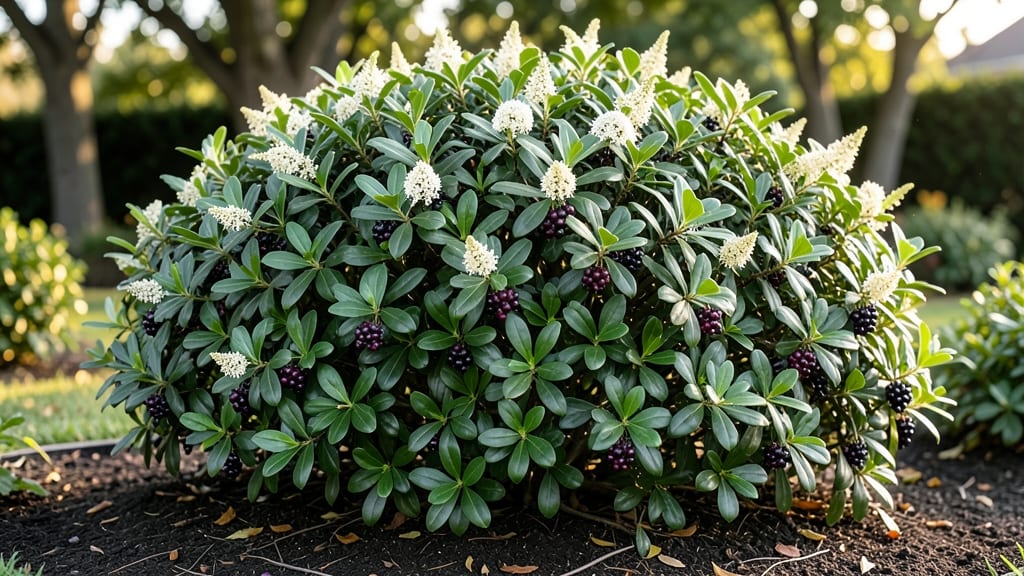
Growing Ligustrum recurvifolium privet shrubs creates a thornless privacy screen that actually looks good—no jagged branches or messy overgrowth. 🌿 I planted mine last spring, and by year three, the neighbors stopped asking when I'd "fix" the fence. The secret?
This variety grows fast but stays neatly contained with the right pruning. This privet thrives in full sun to partial shade and tolerates almost any soil—even the heavy clay where my last garden failed. Water deeply once a week after planting, then let nature take over.
It handles drought surprisingly well once established, which is a game-changer for my dry summers. By summer of year two, you'll see 6-foot-tall walls of glossy green leaves that block noise and wind. The best part?
It blooms with tiny white flowers in late spring, attracting bees without looking out of place. Prune lightly in early spring to shape it, and you'll never need a fence again. Works in zones 6-9, handles urban pollution better than most shrubs, and stays deer-resistant.
Here's how to keep yours thriving without the hassle of traditional hedges.
📚 In This Guide
- What you need
- Instructions
- Tips and common mistakes
- Wrapping up and next steps
What you need
- ● Privet shrubs (Ligustrum recurvifolium): 10–20 plants (depending on desired height and spacing—aim for 3–5 feet apart for a dense screen).
- ● Choose bare-root or container-grown plants (container-grown may be easier for beginners).
- ● Soil amendments: 5–10 lbs of compost or well-rotted manure per plant (improves drainage and fertility).
- ○ 1–2 lbs of balanced fertilizer (10-10-10 or similar) per plant (optional but helpful for faster growth).
- ● Digging tools: 1 shovel or spade (for planting holes).
- ● 1 garden trowel (for delicate root handling).
- ● Measuring tools: 1 measuring tape or ruler (to ensure proper spacing).
- ● Watering supplies: 1 garden hose with nozzle or watering can (for thorough watering).
- ● Mulch: 2–3 bags of organic mulch (pine straw, wood chips, or shredded bark) (to retain moisture and suppress weeds).
- ● Plant supports: Stakes or cages (if your area is windy or you want to encourage upright growth early on).
- ● Pruning tools: Hand pruners or shears (for shaping after planting).
- ● Soil test kit: To check pH and nutrient levels (privet prefers slightly acidic to neutral soil (pH 6.0–7.0)).
- ● Erosion control fabric: If planting on a slope or in sandy soil.
How to plant Ligustrum recurvifolium for a fast-growing privacy screen
This thornless variety grows 3-5 feet per year—here's how to get your screen established in just three seasons.
🌱 Step 1: Choose the Perfect Planting Location
Pick a spot with full sun to partial shade—at least 6 hours of sunlight daily for best growth. Ligustrum tolerates urban conditions well, including wind and pollution, but avoid areas where water pools after rain. The soil should drain well; if yours is heavy clay, amend with 2-3 inches of compost mixed into the top 12 inches.
Dig a hole twice as wide as the root ball but only as deep. The top of the root ball should sit 1 inch above ground level—this prevents water from pooling around the base. I like to loosen the sides of the hole with a shovel to encourage roots to spread outward immediately.
🪴 Step 2: Plant and Water for Immediate Establishment
Remove the plant from its container and gently tease apart any circling roots with your fingers. Place it in the hole so the root flare (where roots meet the trunk) is visible above soil level. Fill the hole with native soil, pressing lightly to eliminate air pockets but not compacting too firmly.
Water deeply right after planting—1-2 gallons per plant—to settle the soil and eliminate air gaps. You'll see water bead up on the surface when it's done. Mulch with 2-3 inches of shredded bark or wood chips within a 2-foot radius, keeping it 3 inches away from the trunk to prevent rot.
☀️ Step 3: Maintain Through the First Growing Season
Water newly planted shrubs once weekly during the first growing season, providing 1-2 gallons per plant each time. Check soil moisture by sticking your finger 2 inches deep—if it feels dry, water again. Ligustrum is drought-tolerant once established, but young plants need consistent moisture to develop strong roots.
Fertilize lightly in early spring with a balanced 10-10-10 fertilizer spread evenly over the root zone. Avoid high-nitrogen fertilizers—they encourage leafy growth at the expense of woody structure. You'll see new growth emerge within 4-6 weeks if conditions are right.
✂️ Step 4: Prune for Shape and Encourage Bushier Growth
Prune in late winter or early spring before new growth begins. Remove any dead, diseased, or crossing branches first. Then, cut back any overlong stems by one-third to encourage bushier growth. Ligustrum responds well to pruning, so don't be afraid to shape it—just avoid heavy pruning after mid-summer, as new growth won't harden off before winter.
After the first growing season, you'll notice new shoots emerging from the base. These are called "suckers" and should be removed unless you want a denser hedge. Pinch back the tips of new growth in early summer to promote branching. By the end of the second year, your screen will be 4-6 feet tall with a full, lush appearance.
Tips & tricks for perfect Ligustrum recurvifolium planting
Real talk: Ligustrum Recurvifolium's rapid growth is impressive, but these small details make all the difference between a thriving screen and one that struggles.
Soil Prep Secret: Before amending heavy clay soil with compost, I like to mix in a handful of perlite or coarse sand into that top 12 inches. This improves drainage without changing the soil structure too dramatically. The goal is to mimic the well-draining conditions these shrubs love in their native habitats. Think of it as giving your roots a head start by creating a mini "sponge" environment that holds moisture but doesn't suffocate.
Planting Depth Tip: That 1-inch above ground level rule is critical - I've seen too many plants planted too deep where the root flare gets buried. Use a level or even a small stick to mark the correct height on your shovel before planting. After filling the hole, press the soil gently around the base to eliminate air pockets, but don't compact it like you would for a lawn. You want the soil to settle naturally over time.
Watering Wisdom: The 1-2 gallons per plant after planting might seem like a lot, but trust me on this - you want that water to bead up on the surface. This visual cue tells you the soil is properly saturated. For the weekly watering in the first season, I set a timer to remind me because consistency matters more than exact amounts. Early morning watering is best as it gives the plant time to dry out before evening, reducing disease risk.
Pruning Pro Tip: When you're cutting back those overlong stems by one-third in Step 4, make your cuts just above a leaf node where new growth will emerge. I like to sterilize my pruners with rubbing alcohol between cuts to prevent spreading any potential diseases. And remember - those suckers at the base? They're actually a good sign your plant is healthy, but they'll compete with your main stems for nutrients if you let them grow unchecked.
Pro Tips for Ligustrum Recurvifolium Privet Shrub
- Real talk: Ligustrum Recurvifolium's rapid growth is impressive, but these small details make all the difference betw...
- Soil Prep Secret: Before amending heavy clay soil with compost, I like to mix in a handful of perlite or coarse sand ...
- Planting Depth Tip: That 1-inch above ground level rule is critical - I've seen too many plants planted too deep wher...
Frequently asked questions
Got questions about Ligustrum recurvifolium (thornless privet)?
You’re not alone! Here are answers to the most common ones to help you grow a lush, low-maintenance privacy screen with ease.
How fast does Ligustrum recurvifolium grow?
This fast-growing shrub can add 3–5 feet per year under ideal conditions (full sun to partial shade, well-drained soil). With proper care, you’ll achieve a full privacy screen in just 2–3 years! Prune lightly in late winter to encourage bushier growth.
Is Ligustrum recurvifolium cold-hardy?
Yes! It thrives in USDA Zones 6–9, tolerating winters down to -10°F (-23°C). For colder climates, mulch the base in late fall to protect roots. Avoid planting in frost pockets where cold air settles.
Does Ligustrum recurvifolium attract pests or diseases?
Generally pest-resistant, but watch for aphids, spider mites, or scale in dry conditions. Overwatering can lead to root rot. Treat pests with neem oil, and ensure soil drains well to prevent fungal issues. Healthy plants rarely need intervention!
Can I plant Ligustrum recurvifolium near a fence or wall?
It’s perfect for tight spaces—just plant 18–24 inches from structures to avoid root competition. Its thornless branches won’t damage siding or fences, making it ideal for urban or suburban yards.
What’s a good alternative if I need faster privacy?
For quicker results, consider Bamboo (running types) or Leyland Cypress, but they require more maintenance. Ligustrum recurvifolium wins for low upkeep, deer resistance, and year-round greenery—plus, it’s thornless for safety!
Pro Tip:
For denser growth, shear lightly after flowering (spring/summer) but avoid heavy pruning in fall—it blooms on new wood!
Wrapping up and next steps
Ready to transform your outdoor space with a thornless, fast-growing privacy solution? The Ligustrum recurvifolium privet shrub delivers lush, evergreen beauty in just 3 years—with minimal fuss! 🌿 Whether you’re shielding your yard from noise, prying eyes, or harsh winds, this shrub’s adaptability and low-maintenance charm make it a winner. Start planting today and watch your dream privacy screen take shape—one season at a time!
Next steps:
- 📅 Pick your planting window (spring or fall) for the best root growth.
- 🛒 Gather supplies (gloves, shears, mulch) and check local nurseries for Ligustrum recurvifolium saplings.
- 🌱 Roll up your sleeves—dig, plant, and water with confidence!