
Shrubs
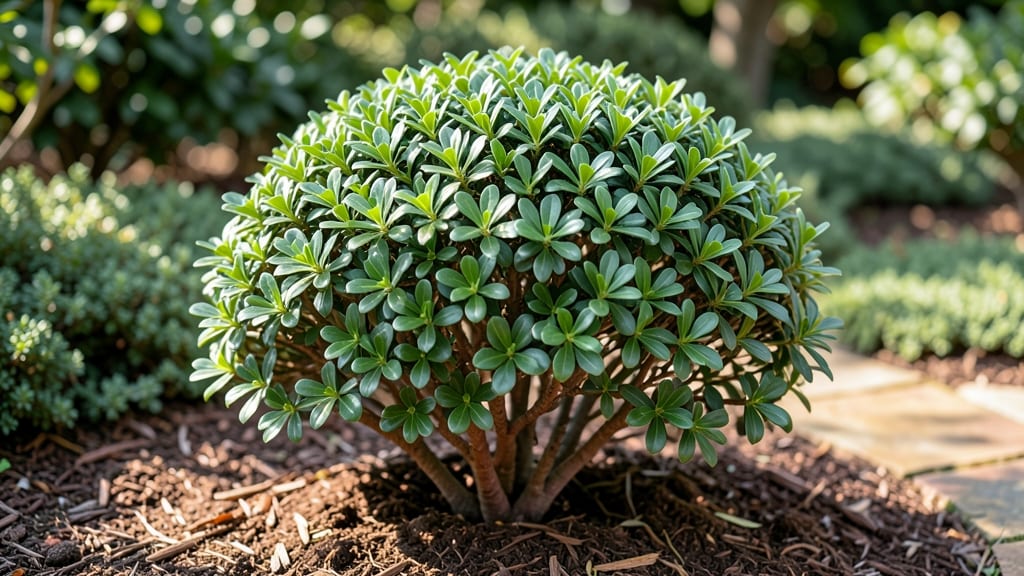
Growing Korean boxwood shrubs means adding fragrant, cold-hardy privacy that thrives where other shrubs fail. 🌿 These evergreens handle Zone 4 winters, resist deer, and grow into dense, thorn-free hedges—perfect for foundations, borders, or even topiary.
My first Korean boxwood still stands after 12 years, its glossy leaves untouched by late frosts. The secret to their success lies in well-draining soil and partial shade—they hate soggy roots but love morning sun. Water deeply once established (they’re drought-tolerant once mature), and feed lightly in spring.
Prune after flowering (late spring) to shape, but avoid heavy cuts—they heal slowly. By summer, you’ll have a smooth, glossy hedge that stays green year-round, with a faint citrusy scent when crushed.
Neighbors will ask how you keep pests away—it’s their natural resistance to boxwood blight and mites that does the trick. Works for foundation plantings, privacy screens, or even container topiary. Let’s get yours thriving!
📚 In This Guide
- What you need
- Instructions
- Tips and common mistakes
- Wrapping up and next steps
What you need
- ● Korean boxwood shrubs (1–3 plants per 3–5 ft. of space, depending on desired density)
- ● High-quality, well-draining potting mix (or native soil amended with compost and perlite for better aeration)
- ● Organic mulch (2–3 inches of pine bark, cedar chips, or shredded leaves)
- ● Garden gloves (to protect hands from thorns or rough soil)
- ● Hand trowel or transplant spade (for digging and planting)
- ● Watering can or hose with a gentle spray nozzle (for post-planting hydration)
- ● Pruning shears (sharp, sterilized shears for shaping or maintenance)
- ○ Stakes or garden twine (optional but helpful for young plants in windy areas)
- ● Slow-release fertilizer (balanced 10-10-10 or organic options like fish emulsion)
- ● Soil pH test kit (Korean boxwood prefers slightly acidic to neutral soil (pH 6.0–7.0))
- ● Epsom salt (for magnesium boosts if leaves show yellowing)
- ● Drip irrigation system (for consistent moisture in dry climates)
- ● Deer repellent spray (if local wildlife is a concern—these shrubs are deer-resistant but not foolproof!)
Step-by-Step guide to planting and cultivating Korean boxwood shrubs
Here’s how to establish these cold-hardy, fragrant shrubs for long-term privacy and structure.
🌱 Step 1: Select the Perfect Planting Site
Korean boxwood thrives in partial shade to full sun, but in hot climates, morning sun with afternoon shade prevents leaf scorch. I always test the spot by checking soil moisture—it should stay consistently damp but not soggy. The shrubs tolerate a wide range of soil types, but well-draining, slightly acidic soil (pH 5.5–7.0) ensures the best growth.
Dig a hole twice as wide as the root ball but no deeper—this encourages roots to spread horizontally rather than settling into a confined space. Loosen the sides of the hole with a shovel to prevent compaction. If your soil is heavy clay, mix in 2–3 inches of compost into the bottom to improve drainage and fertility.
🪴 Step 2: Plant with Care for Long-Term Stability
Remove the shrub from its container and gently tease apart any circling roots—this prevents girdling as the plant matures. Place it in the hole so the top of the root ball sits level with the surrounding soil (never buried deeper). Korean boxwoods hate having their crowns smothered, which leads to rot.
Backfill with native soil, pressing lightly around the edges to eliminate air pockets. Water deeply right after planting to settle the soil and encourage root contact. I like to add a 1-inch layer of mulch (like pine straw or shredded bark) around the base, keeping it 3–4 inches away from the trunk to prevent moisture buildup against the bark.
☀️ Step 3: Establish Watering and Light Routines
Water once or twice weekly for the first 4–6 weeks to help roots establish, but avoid oversaturating—Korean boxwoods are drought-tolerant once mature. You’ll know moisture is right when the top 2 inches of soil feel dry to the touch. After the initial period, reduce watering to once every 10–14 days unless your area experiences extreme heat or drought.
Prune lightly in early spring to shape the shrub, but avoid heavy cuts—Korean boxwoods respond best to gradual, minimal pruning. Remove any dead or damaged branches first, then trim back overgrown growth by no more than 25% to maintain density. The goal is to encourage a compact, bushy form without sacrificing the natural elegance.
✂️ Step 4: Maintain for Year-Round Privacy and Health
Fertilize once in early spring with a slow-release, balanced fertilizer (10-10-10 or similar) to support new growth. I skip fall fertilization—Korean boxwoods enter dormancy naturally and don’t need extra nutrients before winter. If your soil is nutrient-poor, a light top-dressing of compost in spring is enough to keep them thriving.
Watch for boxwood blight (a fungal disease causing brown spots) or boxwood leafminer (tiny white larvae inside leaves). If you spot issues, remove infected leaves immediately and treat with neem oil or fungicide as needed. Korean boxwoods are generally pest-resistant, but regular inspections catch problems early before they spread.
⏰ Step 5: Prepare for Winter and Long-Term Growth
Korean boxwoods are USDA zones 4–8 hardy, but in zone 4 or colder, add a 3–4 inch layer of mulch around the base in late fall to insulate roots. Avoid heavy mulch piles against the trunk—this can trap moisture and cause rot. Prune lightly in late winter (just before buds swell) to remove any winter-damaged branches and encourage fresh spring growth.
Over time, Korean boxwoods grow 6–12 feet tall and wide, depending on the variety. Space plants 4–6 feet apart for a dense hedge or 8–10 feet apart for a more open, sculptural look. With proper care, they’ll provide decades of fragrant, thorn-free privacy—and their evergreen foliage stays lush year-round.
Tips & tricks for thriving Korean boxwood shrubs
Here's how to ensure your fragrant, cold-hardy shrubs grow into a lush, long-lasting privacy screen without the common pitfalls.
Soil Preparation Secret: Before planting, mix a handful of sulfur into the bottom of the hole if your soil tests above pH 7.0. Korean boxwoods prefer slightly acidic conditions, and this small step prevents yellowing leaves later. I test soil pH with a simple kit from the garden center—it's worth the $10 to avoid future headaches. The 2-3 inches of compost mentioned in Step 1 should be well-aged (no fresh manure) to prevent nitrogen spikes that burn tender roots.
Root Ball Technique: When teasing apart circling roots in Step 2, focus on the outer edges where roots naturally grow. I use my fingers to gently separate them, working from the bottom up—this mimics how roots would spread in nature. If you're planting in clay soil, add a 1-inch layer of coarse sand mixed with the compost to improve drainage. The key is to avoid compacting the root ball further than necessary while ensuring it sits perfectly level with the surrounding soil.
Winter Protection Strategy: For zone 4 or colder, I go beyond the recommended 3-4 inch mulch layer by adding a 12-inch diameter circle of burlap around each shrub in late fall. This creates a windbreak while allowing moisture to penetrate. Remove the burlap in early spring once new growth appears. The mulch should never touch the trunk—always maintain that 3-4 inch clearance to prevent rot.
Pruning Precision: When pruning in early spring (Step 3), I use sharp, clean shears to make cuts at a 45-degree angle just above a leaf bud. This encourages new growth from the right spot. For shaping, I remove no more than 25% of the foliage at one time—this gradual approach maintains density. If you see brown, crispy leaves after pruning, it's a sign you've cut too aggressively or the shrub needs more water.
Pro Tips for Korean Boxwood Shrubs
- Here's how to ensure your fragrant, cold-hardy shrubs grow into a lush, long-lasting privacy screen without the common pitfalls.
- Soil Preparation Secret: Before planting, mix a handful of sulfur into the bottom of the hole if your soil tests above pH 7.0.
- Root Ball Technique: When teasing apart circling roots in Step 2, focus on the outer edges where roots naturally grow.
Frequently asked questions
Got questions about Korean boxwood shrubs? You’re not alone!
Whether you're a first-time gardener or a seasoned landscaper, these Buxus microphylla var. koreana plants are full of surprises. Here are some of the most common questions—and answers—to help you grow confidently.
Are Korean boxwood shrubs really thorn-free?
Yes! Unlike some boxwood varieties, Korean boxwoods are completely thorn-free, making them a safe and stylish choice for gardens with kids or pets. Their smooth, glossy leaves add a touch of elegance without the prickly surprises.
How cold-hardy are these shrubs?
Korean boxwoods are one of the hardiest boxwood varieties, thriving in USDA zones 4-8. They can handle winter temperatures as low as -25°F (-32°C), making them ideal for northern climates. Just mulch well in early winter for extra protection!
Do I need to prune Korean boxwoods often?
Minimal pruning is needed—just a light trim after flowering (late spring) to shape them. These shrubs grow at a moderate pace (6-12 inches per year), so one or two pruning sessions annually keeps them tidy. Avoid heavy pruning, as they respond best to gentle maintenance.
What are some common pests or diseases to watch for?
While generally resilient, Korean boxwoods can attract boxwood blight (a fungal disease) or boxwood leafminers. To prevent issues:
- Space plants for airflow.
- Avoid overhead watering.
- Use fungicide if spots appear.
Can I use Korean boxwoods for privacy hedges?
Their dense, evergreen foliage and compact growth habit make them perfect for privacy screens. Plant them 3-4 feet apart for a fuller hedge over time. Just be patient—they fill in slowly but steadily.
Wrapping up and next steps
Korean boxwood shrubs offer a stunning blend of cold-hardy resilience, fragrant foliage, and thorn-free beauty, making them a top choice for privacy screens and landscape accents. Whether you're drawn to their glossy leaves or low-maintenance charm, these shrubs deliver year-round elegance with minimal fuss.
Ready to elevate your garden? Start by selecting the perfect variety—like the compact Buxus microphylla 'Koreana' or the taller Buxus sempervirens—and plant with confidence in their ability to thrive in your climate!