
Succulent
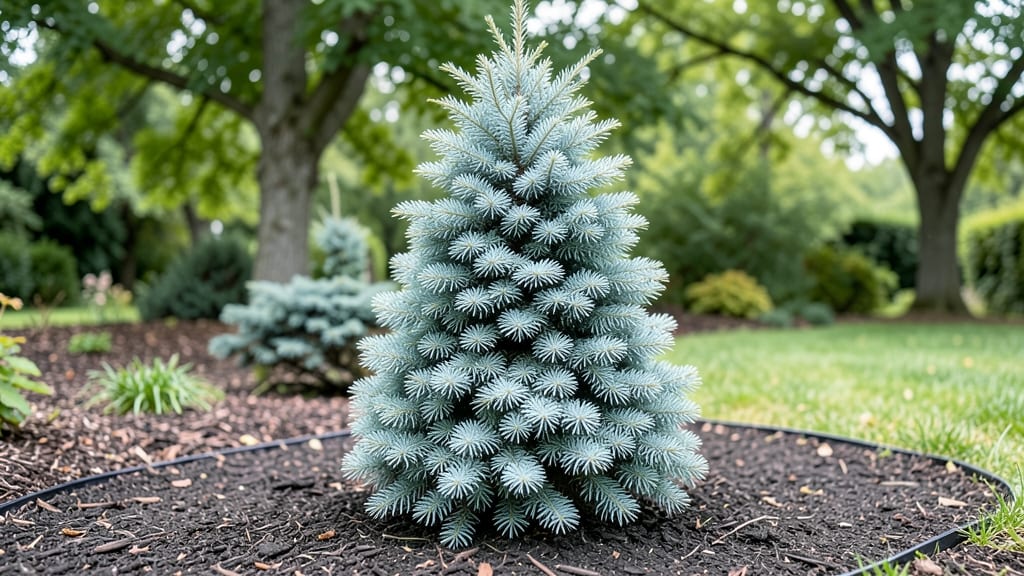
Creating a thornless privacy screen with Juniper Blue Point shrub means no more tangled limbs or protective gloves—just soft, silvery-blue foliage that grows fast and stays tidy. 🌿 I planted mine last spring, and by summer’s end, it already formed a dense, 4-foot-high barrier that birds love to nest in.
This juniper thrives where others fail, handling heat, wind, and even poor soil better than most shrubs.
The secret to its speedy growth lies in well-drained soil and full sun—give it 6+ hours of direct light daily, and it rewards you with 12-18 inches of growth per year. Water deeply once a week (more in summer) but avoid soggy roots—this shrub hates "wet feet."
Mulch around the base to keep moisture steady and weeds at bay, and you’ll see that lush, mounded shape take form in just a few seasons.
By year three, you’ll have a smooth, 8-foot-tall screen that needs almost no pruning—just occasional trimming to shape it. The needles stay soft to the touch, making it pet- and child-friendly, and its drought tolerance means less work for you.
Plus, deer and rabbits leave it alone, which is a win in any garden.
Perfect for hedges, foundation plantings, or even as a windbreak—this shrub does it all without the fuss. If you’ve struggled with thorny or slow-growing privacy screens before, this is the game-changer you’ve been waiting for. Let’s get yours planted!
📚 In This Guide
- What you need
- Instructions
- Tips and common mistakes
- Wrapping up and next steps
What you need
- ● Juniper Blue Point shrubs: 1–3 plants (depending on desired height/width; spacing ~3–5 ft apart for full coverage).
- ● Well-draining soil: 50% native soil + 50% sand/perlite (or pre-mixed cactus/succulent mix, 10–15 lbs per planting hole).
- ● Organic mulch: 2–3 inches of pine straw or shredded bark (helps retain moisture and deter weeds).
- ● Slow-release fertilizer: 10-10-10 or 8-3-9 blend (1 tbsp per plant at planting time).
- ● Garden trowel or spade: For digging holes (12–18 inches deep/wide).
- ● Watering can or hose with nozzle: For gentle watering (avoid oversaturating).
- ○ Gloves (optional but recommended): Protects hands from rough soil or sap.
- ● Measuring tape: Ensures proper spacing between plants.
- ● Pruning shears (for later): To shape the shrub as it grows (sterilize with rubbing alcohol).
- ● Sunlight: Full sun (6+ hours daily) for optimal growth.
- ● Drought tolerance: Blue Point thrives in dry conditions—water deeply but infrequently (once established).
- ○ Wind protection (optional): Young plants may need temporary stakes if your area is breezy.
Step-by-step instructions for planting Juniper Blue Point shrubs
Here's how to establish a lush, thornless privacy screen that grows fast and stays low-maintenance.
🌱 Step 1: Choose the Perfect Planting Location
Juniper Blue Point thrives in full sun to partial shade—at least 6 hours of direct sunlight daily for best color and density. I always scout the site first, checking for afternoon shade patterns that might slow growth. Avoid low spots where water pools, as these shrubs hate soggy roots.
Test the soil pH with a simple kit—Blue Point prefers slightly acidic to neutral (6.0-7.5). If your soil tests alkaline, amend with 2-3 inches of compost mixed into the top 12 inches of soil. The shrubs tolerate poor soil but grow faster with organic matter. Mark the planting spots with stakes to visualize your 4-foot spacing for a dense screen.
🪴 Step 2: Dig Holes and Prepare the Soil
Dig holes twice as wide as the root ball and just as deep. Juniper Blue Point has shallow roots, so don't bury the base too deeply—this causes rot. Loosen the soil at the bottom of each hole with a garden fork to encourage root spread. I always mix in 1 cup of slow-release fertilizer (10-10-10) into the backfill soil for a growth boost.
For the first 4 plants, use the 4-gallon containers of pre-mixed soil you've prepared. Gently remove each plant from its container, tapping the sides to loosen roots. Place it in the hole so the top of the root ball sits 1 inch above ground level. This prevents soil from settling and smothering the stem later.
☀️ Step 3: Plant and Water for Immediate Establishment
Backfill the hole with native soil, pressing gently to remove air pockets but not compacting too firmly. Water deeply to settle the soil—you'll see the root ball sink slightly. I always add 1 inch of mulch (cypress or pine straw) around the base, keeping it 3 inches away from the stem to prevent rot. This mulch layer locks in moisture and regulates soil temperature.
Water again until the soil 6 inches deep feels damp. Newly planted junipers need consistent moisture for the first 2-3 weeks to establish roots. After that, they're extremely drought-tolerant. I set up a drip irrigation line on a timer for 15 minutes daily during the first month to keep soil evenly moist without overwatering.
✂️ Step 4: Prune for Shape and Encourage Bushiness
Skip pruning the first year—let the shrubs focus on root growth. In early spring of year two, trim back any leggy growth by one-third to encourage dense branching. Use clean, sharp pruners to make cuts just above a set of leaves. I always prune in late winter before new growth begins for best results.
For your 4-plant screen, aim for a 5-foot height and 3-foot width by year three. Shear lightly in mid-summer to maintain shape, but avoid heavy pruning—this can stress the shrubs. Remove only the new growth that exceeds your desired shape. The more you prune, the denser the foliage becomes over time.
🌿 Step 5: Maintain for Long-Term Privacy
After establishment, water only during prolonged droughts—these shrubs thrive on neglect once rooted. Fertilize lightly once a year in early spring with ½ cup of 10-10-10 fertilizer per plant. Watch for spider mites in hot, dry weather—spray with water if you see webbing between needles. I've never had pest issues with Blue Point, but they do attract deer, so consider a temporary fence if you're in a high-traffic area.
By year three, your screen will reach 5 feet tall and 4 feet wide, providing full privacy with minimal maintenance. The blue-green foliage stays vibrant year-round, and the thornless branches make it safe for kids and pets. Just avoid heavy pruning after year three—once established, these shrubs grow slowly but steadily on their own.
Tips & tricks for perfect Juniper Blue Point shrub planting
Took me a while to figure these out, so here's how I ensure my Blue Point junipers thrive from day one.
Lighting Matters: The 6 hours of sunlight is non-negotiable for vibrant color, but watch for afternoon shade—it can slow growth. I always test by observing the site for a full day before planting. If you notice afternoon shade creeping in, consider planting on the northern side of your property to maximize morning sun exposure.
Soil Prep Secret: When amending alkaline soil, I mix in 2-3 inches of compost with the top 12 inches of soil and add 1 cup of 10-10-10 fertilizer to the backfill. This combo gives your junipers a nutrient boost without overwhelming them. The key is gentle mixing—don't over-till, which can damage shallow roots.
Watering Wisdom: That 15 minutes of daily drip irrigation during the first month is crucial, but timing matters too. Water in the morning so the foliage has all day to dry—wet leaves at night attract spider mites. I set my timer for 7 AM to catch the early morning moisture.
Pruning Precision: In year two, when you trim back one-third of the leggy growth, make clean cuts just above a set of leaves. This encourages bushier growth. I use sharp pruners and sterilize them with rubbing alcohol between cuts to prevent disease spread. The goal is to shape without stressing the plant.
Pro Tips for Juniper Blue Point Shrub
- Took me a while to figure these out, so here's how I ensure my Blue Point junipers thrive from day one.
- Lighting Matters: The 6 hours of sunlight is non-negotiable for vibrant color, but watch for afternoon shade—it can s...
- Soil Prep Secret: When amending alkaline soil, I mix in 2-3 inches of compost with the top 12 inches of soil and add ...
Frequently asked questions
Got questions about growing and maintaining your Juniper Blue Point shrub? You’re not alone! Here are some of the most common concerns—and their answers—to help you get the most out of this stunning, fast-growing privacy screen.
How fast does Juniper Blue Point grow, and when will it provide full privacy?
The Juniper Blue Point is a thornless star, growing 2–3 feet per year under ideal conditions. With proper care, you can expect a 6–8-foot-tall screen in just 3 years—perfect for quick privacy! For faster results, plant multiple shrubs in a staggered row to fill gaps sooner.
Is Juniper Blue Point cold-hardy? Can it survive winter?
Yes! This juniper thrives in USDA Zones 5–9, making it tough enough for snowy winters (down to -20°F/-29°C). Just ensure it’s planted in well-draining soil and avoid overwatering in cold months. Mulch around the base in late fall to protect roots.
How often should I water a Juniper Blue Point, and what if it turns brown?
Water deeply but infrequently—about once a week in the first year, then every 2–3 weeks once established (unless drought strikes). Brown tips? Overwatering or poor drainage are usually the culprits. Let soil dry out between waterings, and improve drainage with sand or gravel if needed.
Can I prune Juniper Blue Point, and how do I keep it shaped?
Prune in late winter or early spring to shape or encourage bushier growth. Use clean, sharp shears and cut just above a leaf node. Avoid heavy pruning—this juniper prefers a natural, rounded form. For a hedge, trim lightly after new growth appears in spring.
Are there pests or diseases I should watch for with Juniper Blue Point?
This juniper is drought-tolerant and pest-resistant, but keep an eye out for spider mites or bagworms in dry conditions. Treat with neem oil if you spot webbing or chewed foliage. Fungal issues (like root rot) are rare but can happen if soil stays soggy—ensure proper drainage to prevent problems.
What’s a good alternative if Juniper Blue Point isn’t available?
If you can’t find Juniper Blue Point, consider these thornless, fast-growing options:
- Emerald Green Arborvitae – Similar evergreen screen, cold-hardy, and deer-resistant.
- Dwarf Alberta Spruce – Slower but dense, great for formal hedges.
- Sky Pencil Holly – Narrow, upright, and thornless (but slower-growing).
Wrapping up and next steps
The Juniper Blue Point shrub is your fast-growing, low-maintenance solution for a stunning, thornless privacy screen—no fuss, just beauty! 🌿 With its striking blue-green foliage and rapid growth, it’s perfect for adding instant curb appeal while keeping upkeep simple.
Whether you’re a seasoned gardener or just starting out, this shrub makes transforming your outdoor space effortless and rewarding.
Ready to elevate your garden? Start planting today and enjoy the lush, serene privacy you deserve in just three years! For extra tips, check out our FAQ section or explore complementary shrubs to create the perfect landscape.