
Shrubs
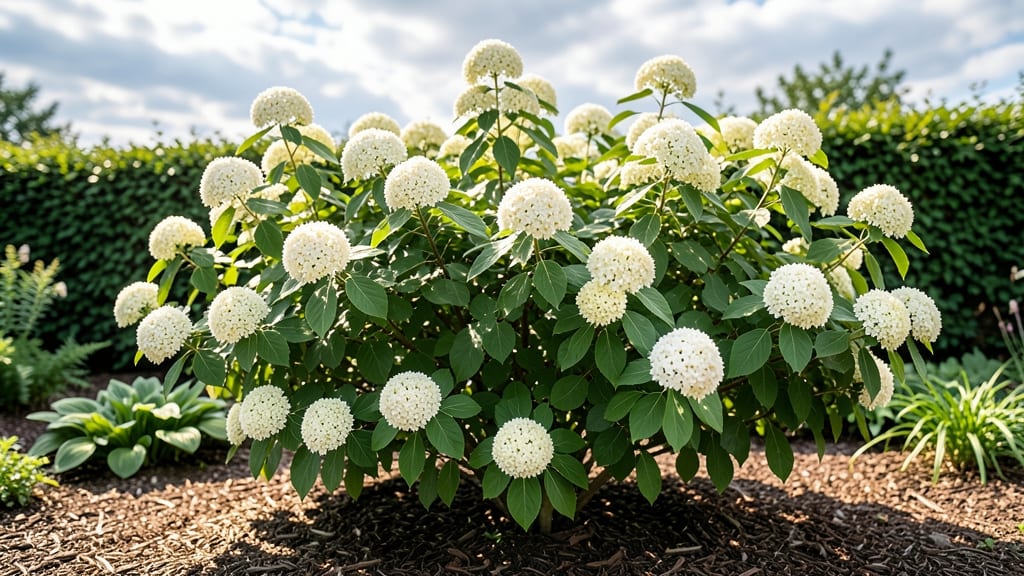
Planting a Japanese snowball viburnum shrub transforms your yard into a fragrant, four-season masterpiece. 🌿 I’ve grown these for years—they thrive where other shrubs fail, offering snow-white blooms in spring and glossy foliage year-round, plus that intoxicating jasmine-like scent that lingers through summer.
This cold-hardy beauty (zones 5-8) demands little but rewards big: partial sun to full shade, well-draining soil, and minimal pruning after flowering. My first one took root in a rocky corner where nothing else survived—now it’s a 10-foot privacy screen with zero fuss.
The key? Planting in early spring or fall, watering deeply the first year, and avoiding heavy-handed pruning.
By summer’s end, you’ll have clusters of blooms so dense they look like cotton balls, followed by red berries that birds adore. The scent alone makes it worth the effort—imagine walking past and being hit with that sweet, clean fragrance.
It’s the kind of shrub that makes neighbors ask, “What’s that?” and then beg for cuttings.
Even in winter, the exfoliating bark adds texture, and the branches make stunning cut arrangements. Perfect for borders, foundation plantings, or that tricky spot where you need height without the upkeep of a hedge. Let’s get yours growing!
📚 In This Guide
- What you need
- Instructions
- Tips and common mistakes
- Wrapping up and next steps
What you need
- ● Japanese Snowball Viburnum Shrub: 1–3 mature plants (3–6 ft tall, depending on desired screen height)
- ● Nursery-grown, containerized, or bare-root (check local availability)
- ● Planting Site: Sunlight: Full sun to partial shade (6+ hours of light daily)
- ● Soil: Well-draining, slightly acidic to neutral (pH 5.0–7.0)
- ● Space: 6–10 ft apart for a dense privacy screen (adjust for single specimens)
- ● Soil Amendments (if needed): Compost or aged manure (5–10 lbs per planting hole)
- ○ Peat moss or pine bark (optional, for improving drainage)
- ● Tools: Shovel or trowel (for digging)
- ● Garden gloves (to protect your hands)
- ● Watering can or hose (with gentle spray nozzle)
- ● Mulch (2–3 inches of pine straw or shredded bark)
- ● Fertilizer: Slow-release shrub fertilizer (10-10-10 or similar, apply in early spring)
- ● Pruning Tools: Pruning shears (for shaping or deadheading)
- ● Loppers (for thicker branches)
- ● Pest Control: Neem oil or horticultural soap (for aphids or spider mites)
- ● Support Stakes: 3–4 ft wooden or metal stakes (if planting in windy areas)
Step-by-step guide to planting and maintaining Japanese snowball viburnum
This cold-hardy beauty thrives with minimal fuss—here's how to plant and care for it properly.
🌱 Step 1: Choose the Perfect Planting Location and Prepare the Soil
Japanese snowball viburnum (Viburnum plicatum 'Tomentosum') thrives in full sun to partial shade, with at least 6 hours of direct sunlight daily for optimal flowering. I always plant mine on the north or east side of my property to filter harsh afternoon sun while still getting morning light. The shrub handles a wide range of soil types but prefers well-draining, slightly acidic soil (pH 5.0-6.5).
Before planting, loosen the soil to a depth of 12-18 inches with a garden fork—this prevents root restriction as the shrub matures. Amend heavy clay soil with 2-3 inches of compost to improve drainage. If your soil is sandy, mix in 1 inch of peat moss to retain moisture. The key is avoiding waterlogged roots, which can lead to root rot.
🪴 Step 2: Dig the Hole and Plant at the Correct Depth
Dig a hole twice as wide as the root ball but no deeper than the container’s base. This encourages outward root growth rather than forcing roots to circle upward. Gently remove the shrub from its container and loosen any circling roots with your fingers—this prevents girdling as the plant establishes. Place the viburnum in the hole so the top of the root ball sits level with the surrounding soil (never bury the stem).
Backfill with native soil, tamping lightly every 2 inches to eliminate air pockets. Water deeply to settle the soil, then add a 1-2 inch layer of mulch (like pine bark or shredded leaves) around the base, keeping it 3-4 inches away from the stem. Mulch helps retain moisture and regulates soil temperature, which is especially important during hot summers or cold winters.
☀️ Step 3: Water Deeply and Establish a Consistent Care Routine
After planting, water the shrub deeply once a week for the first month, ensuring the soil is moist 6 inches down. You’ll know it’s right when the top 2 inches of soil feel damp but not soggy. Overwatering is the biggest mistake—viburnums are drought-tolerant once established but hate "wet feet." Reduce watering to every 2-3 weeks once new growth appears (usually 4-6 weeks after planting).
Fertilize lightly in early spring with a balanced, slow-release fertilizer (10-10-10) applied at half the recommended rate. Japanese snowball viburnum is low-maintenance, so avoid heavy feeding—it encourages leafy growth at the expense of those iconic snowball-shaped blooms. Prune lightly in late winter or early spring to shape the shrub and remove any dead or crossing branches. Never prune after mid-summer, as new growth won’t harden off before winter.
✂️ Step 4: Prune for Shape and Encourage Future Blooms
Pruning isn’t just about aesthetics—it’s about promoting next year’s flowers. Cut back any dead, diseased, or weak branches first, using clean, sharp pruners. Then, shape the shrub by removing about 1/3 of the oldest wood (the thickest branches) to encourage new growth from the base. This rejuvenates the plant and keeps it bushy. I always prune just above a outward-facing bud to guide growth in the direction I want.
Watch for suckers (shoots growing from the base) and remove them immediately—they divert energy from the main plant. The best time to prune is right after flowering, when the shrub has finished blooming but before new growth hardens off. Avoid heavy pruning in fall or winter, as the plant needs all its energy to prepare for dormancy. With proper pruning, your viburnum will develop a rounded, layered shape that’s perfect for privacy screens.
⏰ Step 5: Protect in Winter and Monitor for Pests/Diseases
Japanese snowball viburnum is extremely cold-hardy (USDA Zones 3-8), but young plants benefit from winter mulch in their first 2-3 years. Apply a 3-4 inch layer of shredded bark or straw around the base in late fall, then remove it in early spring once temperatures stabilize. This extra insulation prevents winter desiccation (when roots dry out in freezing soil).
Pests are rare, but keep an eye out for aphids or spider mites, which can appear on new growth. Treat infestations early with a hose spray (for aphids) or neem oil spray (for mites). Fungal diseases like powdery mildew can occur in humid summers, so avoid overhead watering and ensure good air circulation around the shrub. If you notice yellowing leaves or black spots, prune affected areas immediately and improve drainage if needed.
Tips & tricks for perfect Japanese snowball viburnum planting
Here's what I've learned after years of growing these stunning shrubs—small details make all the difference.
Location is Everything: While the instructions mention full sun to partial shade, I've found the sweet spot is actually morning sun with afternoon shade. This prevents leaf scorch while still giving enough light for those signature snowball blooms. If planting near a south-facing wall, position it at least 3 feet away to avoid overheating. The 6 hours of sunlight should be in the cooler morning hours for best results.
Soil Prep Secret: When amending heavy clay soil with 2-3 inches of compost, I always mix in 1/2 cup of perlite per square foot to prevent compaction. For sandy soils, instead of just peat moss, I use a 50/50 mix of peat moss and coconut coir—it retains moisture better while still providing excellent drainage. The key is creating a soil environment that mimics the well-draining, slightly acidic conditions these shrubs prefer.
Planting Depth Matters: The instructions emphasize planting with the root ball level with surrounding soil, but I've found an extra tip works wonders: create a slight mound of soil in the hole first, then place the root ball on top. This ensures proper drainage while keeping the stem at the correct level. After backfilling, I always press down firmly every 2 inches—this eliminates air pockets that can suffocate new roots.
Mulching Strategy: The 1-2 inch layer of mulch around the base is perfect, but I've discovered that mulching in concentric circles (like a donut shape) rather than a flat layer prevents water pooling right against the stem. I also use shredded cedar mulch instead of pine bark—it naturally repels pests while breaking down slowly. Just remember to keep it 3-4 inches away from the stem to prevent rot.
Pro Tips for Japanese Snowball Viburnum Shrub
- Here's what I've learned after years of growing these stunning shrubs—small details make all the difference.
- Location is Everything: While the instructions mention full sun to partial shade, I've found the sweet spot is actually morning sun with afternoon shade.
- Soil Prep Secret: When amending heavy clay soil with 2-3 inches of compost, I always mix in 1/2 cup of perlite per square foot to prevent compaction.
Frequently asked questions
Got questions about growing and caring for your Japanese Snowball Viburnum? Here are some of the most common ones—plus quick answers to keep your fragrant shrub thriving!
What’s the best time to plant Japanese Snowball Viburnum?
Plant in early spring or fall (4–6 weeks before frost) for the best root establishment. Avoid extreme heat or cold—your shrub will thank you with faster growth and fewer transplant shocks.
How cold-hardy is this shrub, really?
This shrub is USDA Zones 3–8, meaning it handles winters as low as -30°F (-34°C) with ease! Just ensure it’s planted in well-draining soil to prevent frost heave.
Why aren’t my snowball flowers blooming?
Common culprits:
- Young age (wait 3–5 years for first blooms).
- Over-fertilizing (too much nitrogen = leafy growth, fewer flowers).
- Pruning at the wrong time (avoid cutting after mid-summer).
Can I grow Japanese Snowball Viburnum in containers?
Yes! Choose a large pot (15+ gallons) with drainage holes and use well-draining potting mix. Move containers indoors or to a sheltered spot in winter if temps drop below 10°F (-12°C).
What pests should I watch for?
Keep an eye out for:
- Spider mites (dry conditions = red flags).
- Scale insects (sticky residue on leaves).
- Japanese beetles (chew leaves—handpick or use neem oil).
Wrapping up and next steps
The Japanese Snowball Viburnum is a standout choice for gardeners seeking a low-maintenance, fragrant, and visually stunning privacy screen that thrives in cold climates. Its year-round beauty—from snowy white blooms to glossy foliage and winter interest—makes it a versatile and rewarding addition to any landscape.
Whether you're a beginner or a seasoned gardener, this shrub offers easy care, resilience, and curb appeal that will impress for decades.
Ready to transform your outdoor space? Start by selecting the perfect spot—sunny, partially shaded, or even windy—and plant your Japanese Snowball Viburnum this season! With minimal effort, you’ll enjoy a fragrant, ever-evolving garden centerpiece that brings joy year after year. 🌸✨