
Shrubs
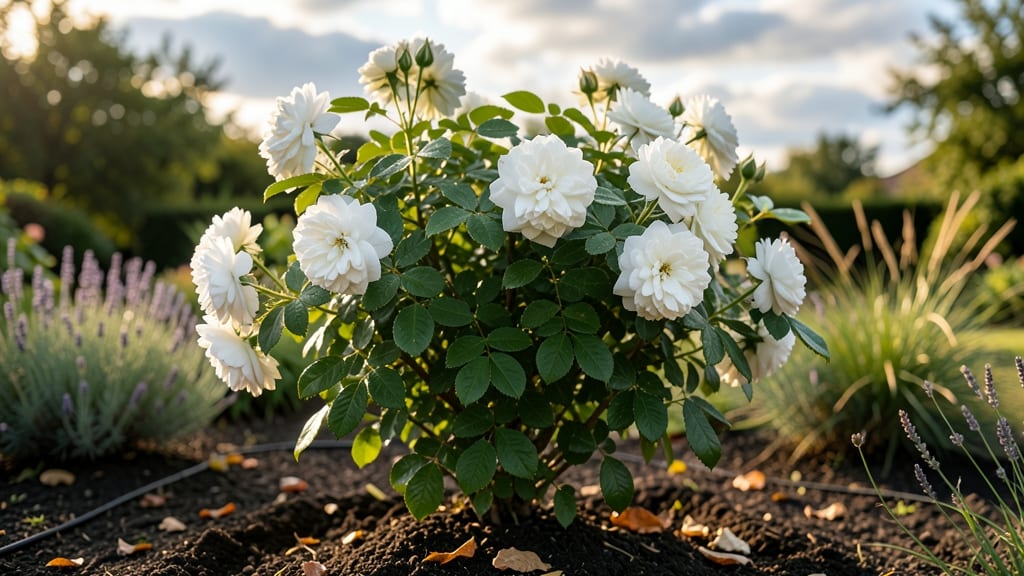
Growing an Iceberg shrub rose means thorn-free blooms that last all season—no fancy tricks, just three simple trims. 🌸 I’ve grown these for years, and they’re the only roses that actually feel like a breeze to maintain. The key? Understanding its natural shape and when to step in.
This rose thrives in full sun with well-draining soil, and its disease resistance means fewer headaches than hybrid teas. Plant it in spring or fall, spacing 3-4 feet apart for airflow, and watch it reward you with pounds of blooms from early summer until frost.
The secret to that lush, thorn-free canopy? Pruning at the right times—and I’ll show you exactly how. By summer’s end, your Iceberg will be a vibrant, low-maintenance centerpiece that neighbors will envy.
No deadheading required (though it helps), no constant spraying—just cut back once in late winter, again after blooming, and a final light trim in fall. That’s it. Perfect for small gardens, urban spaces, or as a privacy hedge—this rose does it all without the fuss.
Ready to grow one that actually stays healthy? Let’s get started.
📚 In This Guide
- What you need
- Instructions
- Tips and common mistakes
- Wrapping up and next steps
What you need
- ● Iceberg Shrub Rose Plant: 1 healthy, disease-free Rosa 'Iceberg' (bare-root or potted, 1–3 gallons container size).
- ● Well-Draining Soil: 5–10 bags (20 lbs each) of garden loam mixed with compost (30–50% compost by volume).
- ● Fertilizer: 1 bag (20 lbs) of balanced rose fertilizer (10-10-10 or 12-12-12 NPK ratio).
- ● Organic option: 1 lb of fish emulsion or bone meal (for phosphorus).
- ● Mulch: 2–3 cubic feet of wood chips or pine straw.
- ● Watering Supplies: 1 hose with adjustable nozzle (for deep watering).
- ● 1 watering can (1–2 gallons, for potted plants or seedlings).
- ● Pruning Tools: 1 pair of bypass pruners (sharp, sterilized).
- ● 1 loppers (for thicker stems, 20-inch reach).
- ○ 1 pruning saw (optional, for stubborn branches).
- ● Gloves: 1 pair of gardening gloves (thick, cut-resistant for thorns).
- ● Plant Support: 1–2 rose trellises or cages (6–8 ft tall, powder-coated metal).
- ● Stakes: 3–5 bamboo or metal stakes (4–6 ft long).
- ○ Soil Amendments (Optional): 1 bag (40 lbs) of perlite or sand (for sandy soil).
- ● 1 lb of mycorrhizal fungi (boosts root health).
- ● Pest Control: 1 bottle of neem oil (organic insecticide).
- ● Reflective tape (deters aphids).
- ● Decorative Touches: Garden flags or stakes (to mark your plant).
- ● Mulch rings (keeps mulch in place).
Step-by-Step instructions for pruning Iceberg shrub roses
Here's how to keep your Iceberg shrub roses lush, thorn-free, and blooming all season with just three focused trims.
✂️ Step 1: Early Spring Cleanup (Late February to Early March)
Start by removing any dead, diseased, or crossing branches first—these compete with new growth and spread problems. I grab my pruners and snip at a 45-degree angle just above an outward-facing bud, about ¼ inch above it. This angle helps water run off the cut instead of pooling.
Look for branches that grew in the wrong direction last year—they’ll be the ones pointing inward or rubbing against others. Cut these back completely to the base. You’ll know you’re doing it right when you see fresh, green buds along the remaining stems. These are your future blooms waiting to happen.
🌿 Step 2: Mid-Season Pruning (Late May to Early June)
This is where the magic happens for that thorn-free canopy. After the first flush of blooms fades, trim back the spent flower stems by about ⅓ of their length. Cut just above a set of five leaflets to encourage bushier growth. I always make sure to leave at least 3-4 healthy buds on each remaining stem.
Here’s the thing—don’t be afraid to shape it. Iceberg roses respond well to guidance. Step back and imagine the shape you want, then make cuts to open up the center. This prevents congestion and lets air and light reach all parts of the bush. You’ll see new shoots emerging within 2-3 weeks—that’s your reward for the effort.
✂️ Step 3: Light Summer Maintenance (July to August)
Throughout the summer, I do quick touch-ups every 4-6 weeks. Remove any branches that look crowded or are growing in odd directions. For leggy stems, cut back to the nearest strong bud. The goal here is to keep the plant balanced and encourage more blooms.
Watch for suckers—those are the shoots growing from the base or along the stem. These saplings steal energy from your main plant. Snip them off at the base immediately. You’ll know you’re keeping it simple when your rose bush looks full but not overgrown, with plenty of air circulating between branches.
🌱 Step 4: Fall Preparation (October to Early November)
As temperatures drop, give your Iceberg rose one last trim. Cut back any dead or dying branches, and shorten the remaining stems by about ⅓ to reduce winter stress. This also prevents the plant from putting energy into late-season growth that won’t survive the cold.
I like to leave the plant with a rounded shape—this helps snow slide off easily in winter. After pruning, apply a 2-3 inch layer of mulch around the base (not touching the stem) to insulate the roots. You’ll see fewer dead branches in spring, and the plant will bounce back stronger than ever.
Tips & tricks for perfect Iceberg shrub rose pruning
Keeping your Iceberg shrub roses thriving takes just a few focused techniques—and avoiding these common mistakes makes all the difference.
Tool Prep: Always sterilize your pruners before you start by wiping them with rubbing alcohol or dipping in boiling water. Clean tools prevent spreading disease between cuts. I also like to sharpen my pruners regularly—they make clean cuts that heal faster, reducing infection risk. A dull blade crushes stems instead of cutting them cleanly.
Seasonal Timing: The timing in Step 1 (Late February to Early March) is critical—waiting too late means you'll cut back new growth. Check for swollen buds first; these signal the plant is ready. In Step 4, don't prune too late in November—frost can damage fresh cuts. Aim for early fall when temperatures stay above freezing at night.
Visual Cues: In Step 2, when you're cutting back spent blooms by ⅓, look for the first set of five leaflets below the bloom—this is your guide. The buds you leave behind should be plump and green, not shriveled. For Step 3's summer maintenance, focus on branches that cross or rub against others; these create wounds where pests can enter.
Mulch Matters: That 2-3 inch layer in Step 4 isn't just decoration—it's insulation. Use organic mulch like shredded bark or straw, keeping it 2-3 inches away from the stem to prevent rot. I like to top it up in early spring too, which gives your roses a head start when growth resumes.
Pro Tips for Iceberg Shrub Rose
- Keeping your Iceberg shrub roses thriving takes just a few focused techniques—and avoiding these common mistakes make...
- Tool Prep: Always sterilize your pruners before you start by wiping them with rubbing alcohol or dipping in boiling w...
- Seasonal Timing: The timing in Step 1 (Late February to Early March) is critical—waiting too late means you'll cut ba...
Frequently asked questions
Got questions about growing and caring for your Iceberg shrub rose? You’re not alone!
Here are the most common queries—plus quick, practical answers to keep your thorn-free beauty thriving.
How cold can Iceberg shrub roses tolerate?
The Iceberg is a Zone 4-9 hardy shrub, meaning it survives winters as cold as -30°F (-34°C). For extra protection in harsh climates, mulch heavily around the base and prune lightly in late winter to avoid frost damage.
When is the best time to prune an Iceberg shrub rose?
Prune twice a year for optimal blooms: late winter/early spring (before new growth) to shape and remove dead wood, and right after flowering (June-July) to encourage a second flush. Avoid heavy pruning in fall—it can stress the plant.
Why aren’t my Iceberg roses blooming?
Lack of blooms often stems from over-pruning, poor sunlight (they need 6+ hours of sun daily), or nutrient deficiencies. Feed with a rose-specific fertilizer in spring, and ensure you’re not cutting back too aggressively.
Can I grow Iceberg roses in containers?
Yes! With the right container (15+ gallons), well-draining soil, and regular watering, Icebergs thrive in pots. Choose a thornless variety for easier care, and repot every 2-3 years to refresh nutrients.
How often should I water my Iceberg shrub rose?
Water deeply 1-2 times per week (more in extreme heat), focusing on the root zone. Avoid wetting leaves to prevent fungal diseases like black spot. Mulch helps retain moisture and keeps roots cool.
Are there thornless alternatives to Iceberg roses?
Yes! Try ‘Knock Out’ roses (disease-resistant, low-maintenance) or ‘Drift’ roses (compact, repeat-blooming). For fragrant options, ‘Double Knock Out’ is a great pick. All are thorn-free or nearly so!
Wrapping up and next steps
The Iceberg Shrub Rose is a low-maintenance, thorn-free beauty that brings effortless elegance to any garden. With just three simple trims and a little care, you’ll enjoy its stunning blooms year after year—without the hassle! 🌸
Ready to transform your outdoor space? Grab your pruners, follow the steps, and watch your Iceberg Shrub Rose thrive. Your dream garden is just a trim away! 🌿