
Shrubs
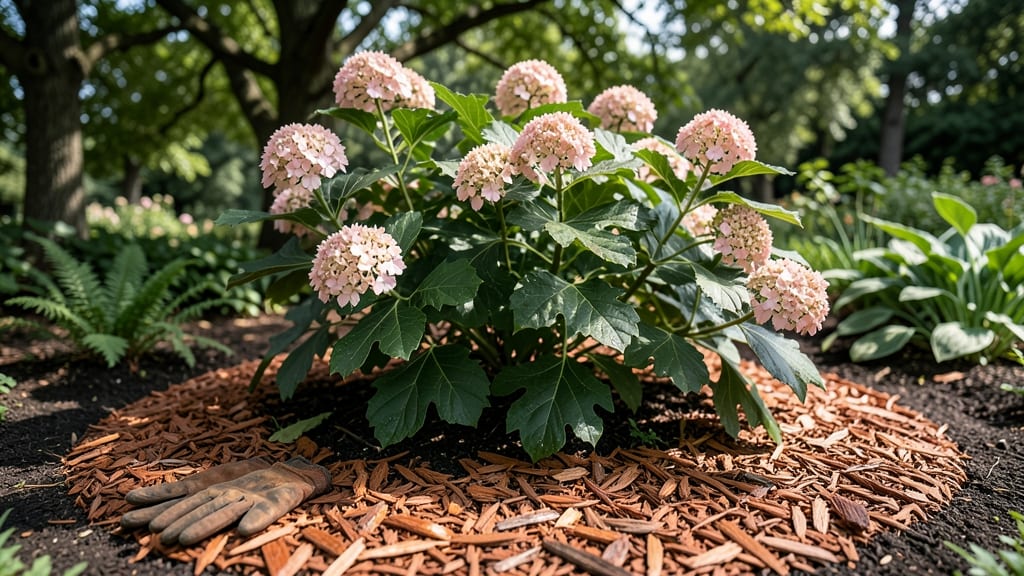
Hydrangea shrubs for shade aren’t just surviving—they’re creating lush, fragrant canopies where other plants give up. 🌿 I’ve turned my shady corner into a blooming oasis by choosing the right varieties and giving them the care they actually need. The secret lies in Hydrangea macrophylla (like Endless Summer) and Hydrangea quercifolia (oakleaf hydrangeas), which thrive in dappled light or even deep shade. They reward you with bold blooms and that signature hydrangea perfume—no direct sun required. The key? Rich, moist soil and a little patience while they establish. By late summer, you’ll be snapping photos of clusters the size of dinner plates, all while your neighbors’ shade gardens stay sparse. Even pruning becomes a breeze once you know the right time (spring or right after blooming). Works for woodland gardens, north-facing patios, or any spot where sunlight is scarce. Let’s get those roots happy!
📚 In This Guide
- What you need
- Instructions
- Tips and common mistakes
- Wrapping up and next steps
What you need
- ● Hydrangea plants (choose shade-tolerant varieties like Hydrangea macrophylla or Hydrangea quercifolia): 1–3 mature plants (for small gardens)
- ● 3–5+ plants (for larger areas or hedges)
- ● Well-draining potting mix or garden soil (amend with compost for nutrients)
- ● Organic mulch (2–3 inches of shredded bark or pine needles)
- ● Slow-release fertilizer (balanced 10-10-10 or acidic 8-3-9 for H. macrophylla)
- ● Watering can or hose with a gentle spray nozzle
- ● Garden gloves (to protect your hands from thorns or rough bark)
- ● Trowel or spade (for digging planting holes)
- ● Pruning shears (sterilized with rubbing alcohol)
- ● Measuring tape or ruler (to ensure proper spacing)
- ○ Garden fork (optional, for loosening compacted soil)
- ○ pH testing kit (optional, to check soil acidity—ideal range: 5.2–6.0)
- ● 🌡️ Timing matters: Plant in early spring or fall (avoid extreme heat or frost).
- ● ✨ Shade lovers: Hydrangeas thrive in partial to full shade (2–6 hours of dappled light).
- ● 💧 Watering wisdom: Keep soil consistently moist (not soggy) for the first year.
Step-by-step guide to planting hydrangeas in shade
Here’s how to grow lush, fragrant hydrangeas that thrive where others struggle—no special tricks, just smart placement and care.
🌱 Step 1: Pick the Perfect Spot and Soil
Hydrangeas love shade but need morning sun for at least 3-4 hours to fuel blooms. Avoid deep, dark corners—those invite mold and weak growth. I dig a hole twice as wide as the root ball but only as deep to prevent burying the stem too much.
Amend the soil with 2-3 inches of compost mixed into the native dirt. Hydrangeas love rich, moist soil but hate soggy roots. If your soil drains poorly, add a handful of perlite to the planting hole to improve aeration. The goal is fluffy, well-draining soil that holds moisture like a damp sponge.
🌿 Step 2: Plant and Water Deeply
Gently remove the hydrangea from its container and loosen any circling roots with your fingers. Place it in the hole so the top of the root ball sits level with the ground—burying too deep suffocates the plant. Backfill with soil, pressing lightly to eliminate air pockets but not compacting too tightly.
Water deeply right after planting—1-2 gallons—until the soil settles and moisture seeps down 6 inches. This helps roots establish quickly. Mulch the base with 2-3 inches of shredded bark, keeping it 3 inches away from the stem to prevent rot. The mulch locks in moisture and keeps roots cool in summer.
☀️ Step 3: Feed and Prune for Shade Success
In early spring, before new growth starts, prune dead or crossing branches back to a healthy bud or joint. Hydrangeas in shade bloom on old wood, so avoid heavy pruning—just tidy up. I use balanced fertilizer (10-10-10) in early spring and again after blooms fade, following the package rate for shrubs.
Hydrangeas in shade need regular watering—1 inch per week—but check the soil first. Stick your finger 2 inches deep; if it’s dry, water slowly until moisture reaches 6 inches down. Overwatering in shade leads to yellow leaves and root rot, so always let the topsoil dry slightly between waterings.
⏰ Step 4: Maintain for Year-Round Beauty
Deadhead spent blooms in late summer to encourage a second flush of flowers. Cut back to the first set of healthy leaves below the bloom cluster. This keeps the plant tidy and redirects energy to next year’s buds. In fall, apply a 2-inch layer of mulch to protect roots from winter temperature swings.
Watch for yellow leaves—this usually means too much shade or overwatering. Move the plant to a slightly sunnier spot if possible, or adjust watering to every 5-7 days instead of daily. With the right care, your hydrangea will reward you with vibrant blooms and fragrant foliage for years.
Tips & tricks for perfect Hydrangea shrubs in shade
Between us, these little details make all the difference when coaxing hydrangeas to thrive in shady spots.
Lighting Strategy: That 3-4 hours of morning sun is non-negotiable—it kickstarts the blooming process. If your yard only gets afternoon shade, consider placing the plant where it catches those morning rays reflected off nearby walls or fences. I've seen dramatic differences in bloom production when plants get just this small adjustment. The key is timing: morning light energizes the plant without the stress of afternoon heat.
Soil Science: The 2-3 inches of compost isn't just filler—it's where the magic happens. Work that compost into the top 6 inches of soil, not just at the bottom of the planting hole. Hydrangeas are heavy feeders, and this ensures their roots have access to nutrients throughout their growing zone. For clay-heavy soils, mix in that handful of perlite right into the planting hole to prevent compaction around the roots.
Watering Wisdom: That initial 1-2 gallons after planting might seem like a lot, but it's essential for breaking through the soil's natural resistance. Water until you see moisture seep down to 6 inches—this encourages roots to grow deep rather than staying shallow. After establishment, stick your finger 2 inches down before watering; if it's dry, water slowly until moisture reaches 6 inches again. This deep-watering method builds drought resistance over time.
Pruning Precision: When you're trimming in early spring, look for those healthy buds or joints—they're your roadmap. Cut just above a bud that faces outward from the center of the plant. This creates an open, airy structure that prevents disease. And remember, hydrangeas in shade bloom on old wood, so avoid the temptation to prune heavily. Just clean up the dead growth and shape lightly—think "tidy up, not transform."
Pro Tips for Hydrangea Shrubs For Shade
- Between us, these little details make all the difference when coaxing hydrangeas to thrive in shady spots.
- Lighting Strategy: That 3-4 hours of morning sun is non-negotiable—it kickstarts the blooming process.
- Soil Science: The 2-3 inches of compost isn't just filler—it's where the magic happens.
Frequently asked questions
about growing hydrangeas in shade—because every gardener deserves a little clarity!Which hydrangea varieties perform best in deep shade?
For full shade (less than 3 hours of sunlight), prioritize Oakleaf hydrangeas (Hydrangea quercifolia) or Mountain hydrangeas (H. macrophylla ‘Tuff Stuff’). These varieties tolerate low light better than Bigleaf or Panicle types, though the latter may still thrive with partial shade (4–6 hours of light).
How long does it take for shade-loving hydrangeas to bloom?
Most hydrangeas need 1–3 years to establish and flower, but shade can delay blooms. Oakleaf hydrangeas often bloom on old wood (last year’s growth), so prune after flowering. Mountain hydrangeas may take longer in deep shade—patience pays off with lush foliage and eventual blooms!
Do hydrangeas in shade need extra watering?
Yes! Shade reduces evaporation, but moist, well-draining soil is key. Water deeply 1–2 times per week (more in extreme heat). Mulch (2–3 inches) helps retain moisture. Warning: Overwatering can cause root rot—ensure pots or beds have drainage.
What if my hydrangea leaves turn yellow in shade?
Yellow leaves often signal overwatering or nutrient deficiency (e.g., iron or nitrogen). Check soil moisture and amend with organic compost or a balanced fertilizer (10-10-10) in early spring. Pro tip: Oakleaf hydrangeas naturally turn yellow/orange in fall—don’t panic!
Can I grow hydrangeas in containers for shade?
Use large pots (15+ gallons) with well-draining mix (50% potting soil, 30% perlite, 20% compost). Mountain hydrangeas thrive in containers, but repot every 2–3 years. Place near a north-facing window or under a patio awning for indirect light.
How do I protect shade hydrangeas in winter?
Most hydrangeas are hardy to USDA Zones 5–9, but young plants or Oakleaf varieties benefit from mulch (4–6 inches) around the base. In Zone 4 or colder, wrap the crown with burlap or use a cloche for extra insulation.
Wrapping up and next steps
Transforming your shady garden into a fragrant, lush retreat is easier than you think with the right hydrangea shrubs for shade! These stunning plants not only thrive in low-light conditions but also bring beauty, texture, and even delightful scents to your outdoor space.
Whether you’re drawn to the bold blooms of Hydrangea macrophylla or the delicate charm of Hydrangea arborescens, there’s a perfect shade-loving variety waiting for you.
Now that you’re armed with the knowledge to choose, plant, and care for these resilient shrubs, take the next step! 🌿 Visit your local nursery or order online to pick out your favorite hydrangea—and soon, you’ll be enjoying a thriving, fragrant canopy that turns heads (and fills the air with sweetness).
Happy gardening! 🌸