
Pruning
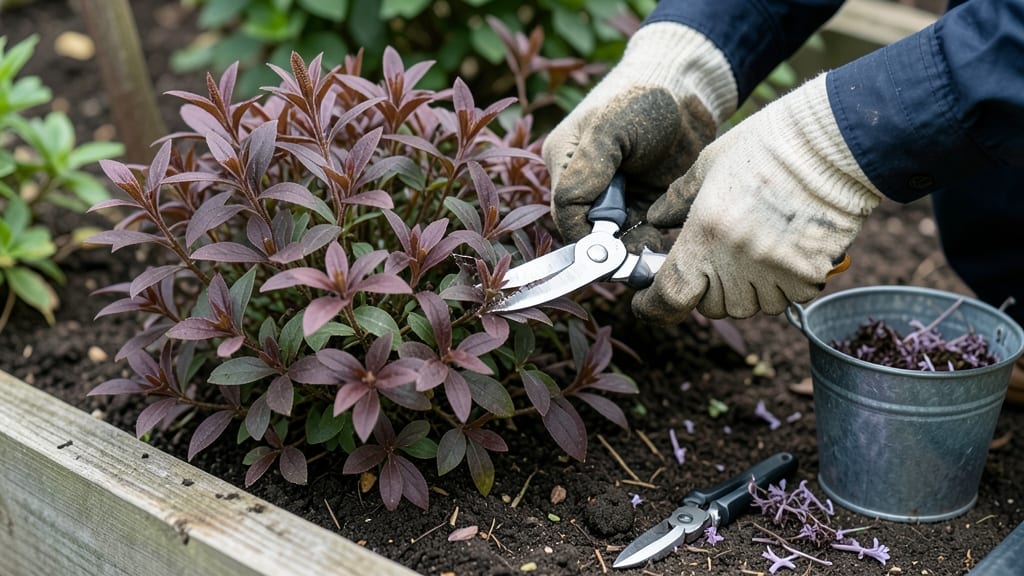
Trimming loropetalum shrubs transforms them from thorny messes into fragrant, well-shaped showpieces. ✂️ I’ve learned that the key is timing—late winter or early spring when new growth begins—paired with precise cuts that open the canopy to sunlight and air.
One wrong snip can set back blooming for a season, so we’ll focus on the 3-step method that keeps your shrubs healthy and productive.
The right tools make all the difference: sharp bypass pruners for clean cuts and loppers for thicker branches. You’ll also need gloves (those thorns are no joke) and a bucket for clippings.
The goal isn’t just shaping—it’s removing dead wood, thinning crowded areas, and encouraging airflow to prevent disease. Even a 10-minute trim can make your loropetalum look like it’s been professionally landscaped.
By the time you finish, you’ll see a shrub that blooms more abundantly and stays free of pests. The fragrant pink or purple flowers will draw pollinators, and the thorns will be less aggressive—no more snagging sleeves or bare feet.
This method works for both young plants and established shrubs, whether you’re shaping a hedge or a standalone specimen.
Fair warning: Over-pruning is the fastest way to stress your loropetalum. We’ll show you how to spot the signs—yellowing leaves, sparse blooms—and adjust your approach. With these steps, your shrubs will reward you with vibrant color and lush growth all season long.
📚 In This Guide
- What you need
- Instructions
- Tips and common mistakes
- Wrapping up and next steps
What you need
- ● Pruning shears: Bypass pruners (for clean cuts on small stems, 4–6 inches long, sharp blades). Quantity: 1 pair.
- ● Loppers: Bypass or anvil type (for thicker branches, 8–12 inches long, with a comfortable grip). Quantity: 1 pair.
- ● Hand pruners: Sharp, bypass-style (for delicate trimming, 5–7 inches long). Quantity: 1 pair.
- ● Gloves: Heavy-duty, thorn-resistant (Loropetalum has sharp edges—opt for gardening gloves with reinforced palms). Quantity: 1 pair.
- ● Disinfectant: Rubbing alcohol (70%+ isopropyl) or garden disinfectant (to sterilize tools between cuts and prevent disease). Quantity: Small bottle.
- ○ Pruning saw: Curved or bow saw (only if trimming branches thicker than 1 inch). Quantity: 1 (optional, if needed).
- ● Ladder or step stool: Sturdy, non-slip (for reaching higher branches safely). Quantity: 1.
- ● Trash bags or bucket: For collecting pruned branches (1–2 gallon size). Quantity: 1–2.
- ● Sharpener: Pruner sharpener or fine-grit file (to keep blades razor-sharp mid-trimming).
- ● Pruning sealant: Tree wound dressing (only if cutting large branches; skip for small trims).
- ● Marking spray: Water-based paint (to mark branches for removal before cutting).
- ● Safety glasses: For protection from debris (especially if using a saw).
- ● Extension pole pruners: For high branches (if you prefer not to use a ladder).
Step-by-step guide for trimming loropetalum shrubs
Here's the method I use to keep my loropetalum thriving—fragrant, full, and free of thorns.
✂️ Step 1: Time Your Trim for Optimal Growth
Trim your loropetalum in late winter or early spring, just as new growth begins. This timing ensures you're not cutting back into dormant buds, which can delay flowering. Look for the first signs of fresh, bright green shoots—those are your cue. Avoid trimming in fall or winter, as this can leave the plant vulnerable to cold damage.
I always start by examining the shrub's overall shape. Loropetalum naturally grows in a rounded form, so I aim to maintain that silhouette. If your plant has become leggy or overgrown, you'll need to cut back more aggressively. Just remember: never remove more than one-third of the plant's total volume in a single year—this ensures it has enough energy to recover and flower.
✂️ Step 2: Cut Back to Healthy Growth Points
Use clean, sharp pruning shears to make your cuts. Start by removing any dead, diseased, or crossing branches first—these are the easiest targets. Cut just above a leaf node or outward-facing bud, which encourages new growth in the right direction. Loropetalum's thorns can be aggressive, so I wear heavy-duty gloves and long sleeves to protect myself.
For shaping, focus on thinning out the center of the shrub to improve airflow and sunlight penetration. This prevents fungal issues and encourages stronger, healthier growth. If your loropetalum has become too tall, you can cut back the main stems by up to half their length, but only if they're overgrown. Always step back and assess the shape after each cut—you'll see the plant's natural form emerge as you go.
🌿 Step 3: Finish with Light Maintenance Pruning
After the major cuts, do a final pass to tidy up any uneven edges or stray branches. Loropetalum responds well to light pruning throughout the growing season, so you can also trim lightly after flowering to maintain shape. Just avoid heavy pruning in late summer or fall, as this can reduce next year's bloom production.
I finish by cleaning up all the clippings and disinfecting my pruning tools with rubbing alcohol. This prevents the spread of disease between cuts. Water the shrub deeply after trimming to help it recover. You'll notice new growth within a few weeks—that's your signal everything is working. If the plant looks stressed, give it a little extra care with occasional watering and protection from harsh afternoon sun.
Tips & tricks for perfect loropetalum pruning
Real talk: I've trimmed loropetalum for years, and these small details make all the difference between a healthy, fragrant shrub and one that struggles to recover.
Timing is Everything: That late winter/early spring window is non-negotiable. I've learned the hard way that trimming too early can cut into next year's buds, while waiting too long risks losing the plant's natural shape. Look for those bright green shoots—those are your clear signal to start. If you're in a mild climate, aim for February to early March for best results.
The One-Third Rule: Never remove more than one-third of the plant's volume in a single year. I've seen gardeners get overzealous and end up with sad, leggy plants that take years to recover. If your loropetalum looks particularly overgrown, spread the pruning over two years. The plant will thank you with better flowering and stronger growth.
Bud Direction Matters: When cutting back, always aim for outward-facing buds. This encourages the plant to grow outward rather than inward, creating that beautiful rounded shape we all love. I like to visualize the plant's natural form as I cut—it's like sculpting with living material. If you're unsure, step back and look at the plant from all angles before making cuts.
Thorn Safety First: Those sharp thorns are no joke! I always wear heavy-duty gardening gloves and long sleeves when pruning. For extra protection, I've even used old jeans with thick denim. Consider wearing safety glasses too—those thorns can snap back unexpectedly. A small first-aid kit nearby is also wise for any minor scratches.
Pro Tips for Trim Loropetalum Shrubs
- Real talk: I've trimmed loropetalum for years, and these small details make all the difference between a healthy, fra...
- Timing is Everything: That late winter/early spring window is non-negotiable. I've learned the hard way that trimming...
- The One-Third Rule: Never remove more than one-third of the plant's volume in a single year. I've seen gardeners get ...
Frequently asked questions
Got questions about trimming your loropetalum shrubs? You’re not alone!
Here are answers to the most common concerns—from timing to troubleshooting—so you can keep your fragrant, thorn-free beauty thriving with confidence.
When is the best time of year to trim loropetalum?
The ideal window is late winter to early spring (just before new growth starts), but you can also trim lightly after flowering to encourage bushier blooms. Avoid heavy pruning in fall—it stresses the plant and may stunt spring blooms. For container-grown loropetalum, you can trim anytime (except winter) since they’re less seasonal.
How do I remove thorns without getting pricked?
Thorns are a natural defense, but you can minimize pokes by wearing thick gardening gloves (like leather or heavy-duty nitrile) and using long-handled pruners or loppers. Trim just above a leaf node or bud, and avoid reaching blindly—always work in daylight. Pro tip: A small hand mirror helps spot thorns before you grab!
What if my loropetalum isn’t blooming after pruning?
Loropetalum blooms on old wood, so avoid aggressive summer pruning—it removes next year’s flower buds. If blooms are sparse, check for:
- Over-pruning: Stick to 1/3 of the plant max per year.
- Underwatering: Drought stress reduces blooms.
- Poor sunlight: They need 6+ hours of sun daily.
- Fungal issues: Yellow leaves or mold? Prune infected branches first.
Can I shape loropetalum into a hedge or topiary?
Loropetalum responds well to structured pruning. For hedges, trim new growth to your desired height (12–18 inches) 2–3 times per year. For topiary, use a sharp pair of shears to sculpt shapes, but leave the base slightly wider for stability. Tip: Prune just after flowering to maintain shape without sacrificing blooms.
What should I do if my loropetalum looks leggy or sparse?
Leggy growth usually means it’s overdue for a haircut or lacks sunlight. Prune back up to 1/3 of the plant in late winter, focusing on:
- Inner branches: Thin out crowded stems for airflow.
- Dead or crossing branches: Remove them at the base.
- Move to sunnier spot: Partial shade works, but full sun = bushier growth.
Do I need to sterilize my pruners between cuts?
Yes! Sterilizing pruners prevents disease spread (like fungal infections). Wipe blades with:
- Rubbing alcohol (70%+) or
- Bleach solution (1 part bleach to 9 parts water, rinse well).
Wrapping up and next steps
Trimming your loropetalum shrubs doesn’t have to be intimidating—with the right tools, timing, and technique, you’ll transform them into fragrant, thorn-free beauties that steal the show! 🌿✨ Remember to prioritize safety (gloves and long sleeves are your best friends), prune in late winter or early spring, and always cut just above a leaf node.
A little effort now means lush, vibrant growth all season long.
Ready to take your pruning skills to the next level? Try experimenting with shaping—whether it’s a classic rounded form or a more dramatic silhouette. And if you’re feeling bold, check out our guide on reviving overgrown loropetalums for extra inspiration! Happy pruning—your shrubs (and your neighbors!) will thank you.