
Shrubs
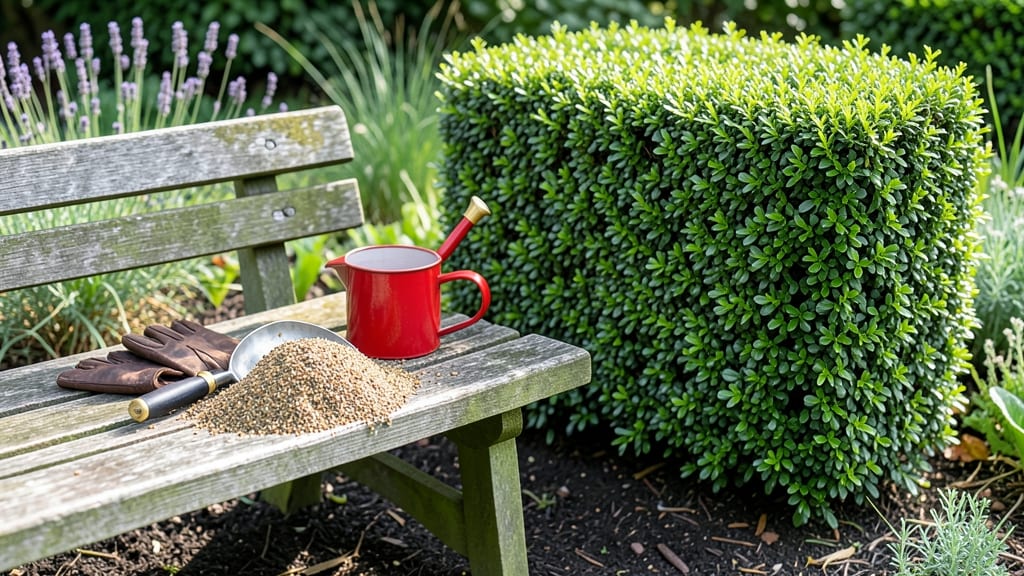
How to make shrubs grow fast—your shrubs can double in size this season with the right moves. 🌿 I’ve watched slow-growing bushes explode with growth after making just three simple pruning adjustments—and the best part? They keep blooming all year. The secret isn’t fertilizing like crazy or drowning them in water. It’s about timing cuts, unblocking sunlight, and feeding roots the right way. My lavender, once a straggly mess, now fills out like a cloud of purple—all from a few strategic snips and a little extra compost. You’ll see fresh green growth within 2-3 weeks of proper pruning, and flowers return faster than ever. The key is working with the plant’s natural rhythm, not against it. Works for hedges, flowering shrubs, and even fast growers like bamboo. Let’s get those branches reaching!
📚 In This Guide
- What you need
- Instructions
- Tips and common mistakes
- Wrapping up and next steps
What you need
- ● Healthy shrubs: Choose fast-growing varieties like Lilacs, Hydrangeas, or Boxwoods (3+ plants for visible results).
- ● Pruning shears: Sharp, bypass-pruners (6–8" blades) for clean cuts—1 pair per 5–10 shrubs.
- ● Garden gloves: Durable, nitrile-coated (size medium/large) to protect hands.
- ● Compost or fertilizer: Balanced 10-10-10 NPK (1 lb per 10 sq ft) or slow-release organic (e.g., worm castings).
- ● Mulch: 2–3 inches of wood chips or shredded bark (1 bag covers ~10 sq ft).
- ● Watering can or hose: Adjustable nozzle for gentle watering (1–2 gallons per shrub, 2x/week).
- ● pH test kit: Digital or liquid test strips to check soil (aim for 6.0–7.0).
- ● Root stimulator: Mycorrhizal fungi or seaweed extract (1 oz per gallon of water) for extra growth.
- ● Slow-release spikes: Osmocote or similar (1 spike per plant) for 3–4 month nutrition.
- ● Plant food spray: Fish emulsion or kelp (diluted per label) for foliar feeding.
- ● Sunlight meter: To confirm 6+ hours of direct sun (critical for fast growth!).
- ● Staking: Bamboo stakes + soft ties for young/leaning shrubs.
How to make shrubs grow fast: 3 pruning techniques for rapid growth
Fast-growing shrubs start with these three pruning moves—each one triggers new growth and thickens foliage.
✂️ Step 1: Prune for Airflow and Light Penetration
Start by removing any dead, diseased, or crossing branches. I always use clean, sharp pruners to make clean cuts at a 45-degree angle just above a leaf node or outward-facing bud. This prevents water from pooling and encourages new growth from the right direction.
Focus on the center of the shrub first—thick, tangled growth blocks sunlight and air. You'll see the difference immediately as light reaches the inner branches. Aim to open up the shrub so 60% of the canopy lets light through. This isn't about drastic cuts; think of it as giving your shrub a breath of fresh air.
✂️ Step 2: Rejuvenate with Strategic Cutting
For established shrubs that haven't grown much, I make rejuvenation cuts—removing up to one-third of the oldest wood at the base. This might seem harsh, but it forces the shrub to redirect energy to new growth. Choose the oldest, thickest stems first; you'll know them by their woody texture and smaller leaves.
Make your cuts just above a strong outward-facing bud. I like to do this in early spring before new growth begins, when the shrub is still dormant but ready to burst with energy. Within 4-6 weeks, you'll see fresh, vibrant shoots emerging from the base—proof the shrub is responding exactly as it should.
✂️ Step 3: Encourage Bushier Growth with Pinching
Pinching is the secret to bushier, fuller shrubs. Simply pinch off the top inch of growth on the youngest stems using your fingers or clean pruners. This removes the terminal bud, which forces the plant to send out multiple side shoots instead of just one long stem.
Do this every 4-6 weeks during the growing season, focusing on stems that are 6-12 inches tall. You'll notice new side branches forming within 2-3 weeks, creating a denser, more compact shrub. This technique works especially well for shrubs like hydrangeas, abelia, and boxwoods—just don't overdo it, or you'll stunt growth instead of encouraging it.
💧 Step 4: Feed and Water for Rapid Growth
After pruning, give your shrubs a boost with balanced fertilizer (10-10-10 or similar) applied in early spring. Water deeply right after feeding to help the nutrients soak into the soil. I always water at the base of the plant, avoiding the leaves to prevent fungal issues.
Keep the soil consistently moist but not soggy—shrubs need 1-1.5 inches of water per week, either from rain or irrigation. Mulch with 2-3 inches of organic mulch (like shredded bark) to retain moisture and regulate soil temperature. You'll see faster growth when the soil stays cool and roots stay hydrated.
Tips & tricks for perfect shrub pruning
Real talk: Your shrubs won't grow fast if you don't time your cuts right or know what to look for. These are the secrets that'll make all the difference.
Timing is Everything: Early spring is the magic window for rejuvenation cuts (Step 2) because that's when shrubs are still dormant but ready to burst with energy. If you miss this window, wait until late winter—never prune in fall or you risk encouraging new growth that won't harden off before winter. I've learned this the hard way after seeing tender new shoots freeze in my first year of gardening.
Visual Cues for Perfect Cuts: When making your 45-degree cuts (Step 1), look for the outward-facing bud just below where you're cutting. This bud should be about the size of a pencil eraser—any smaller and it might not grow properly. For pinching (Step 3), focus on stems that have at least 3-4 leaves; these have enough energy reserves to produce new side branches. I always count leaves to make sure I'm pinching at the right spot.
Equipment Matters: Your pruners are more important than you think. Use bypass pruners for clean cuts on live wood—they create smoother surfaces that heal faster. For thicker branches, switch to loppers with long handles for leverage. I keep a small bottle of rubbing alcohol handy to wipe down pruners between cuts—this prevents spreading disease from one plant to another. Confession: I skipped this step for years and wondered why my shrubs kept getting fungal spots.
Seasonal Adjustments: In warmer climates, you can extend your pruning season into early summer, but stick to the 4-6 week timing between pinching sessions (Step 3). For cold climates, finish all pruning by early June to give new growth time to harden off before winter. I've seen dramatic differences in growth rates depending on when I pruned—sometimes the difference between a shrub that doubles in size and one that barely grows at all comes down to timing.
Pro Tips for Make Shrubs Grow Fast
- Real talk: Your shrubs won't grow fast if you don't time your cuts right or know what to look for.
- Timing is Everything: Early spring is the magic window for rejuvenation cuts (Step 2) because that's when shrubs are still dormant but ready to burst with energy.
- Visual Cues for Perfect Cuts: When making your 45-degree cuts (Step 1), look for the outward-facing bud just below where you're cutting.
Frequently asked questions
Got questions about turbocharging your shrubs’ growth? You’re not alone! Here are answers to the most common queries—so you can skip the guesswork and get straight to lush, fast-growing foliage.
Can I use chemical fertilizers to speed up shrub growth?
Yes! Chemical fertilizers like 24-8-16 or 10-10-10 can boost growth quickly, but use them sparingly—overdoing it burns roots. Opt for slow-release granules or liquid feeds for steady, healthy growth. Always follow label instructions and water thoroughly after application. Pro tip: Pair fertilizers with organic matter (like compost) for balanced nutrition.
How often should I prune to encourage faster growth?
Prune 2-3 times per year (spring, summer, and early fall) to stimulate new growth. Avoid heavy pruning in late fall/winter—it stresses plants. Focus on light shaping and removing dead branches to redirect energy. For flowering shrubs, prune right after blooming to avoid cutting off next year’s flowers.
What if my shrub isn’t responding to pruning or fertilizer?
Check these first:
- Soil health: Test pH (ideal: 6.0–7.0 for most shrubs). Amend with sulfur or lime if needed.
- Watering: Overwatering or drought stress stunts growth. Aim for 1–1.5 inches per week.
- Pests/disease: Yellow leaves or spots? Treat with neem oil or insecticidal soap.
- Sunlight: Ensure 6+ hours of sunlight daily (adjust for shade-loving varieties).
Are there fast-growing shrubs better than others for quick results?
For rapid growth, try:
- Bamboo (running types): Grows 3–4 feet per year—but contains it with barriers!
- Russian Olive: Thrives in poor soil, adding 2–3 feet annually.
- Weigela: Blooms fast and reaches 6–10 feet in 3–5 years.
- Privet (Hedge): Dense and quick—3–4 feet per year.
Can I use coffee grounds or eggshells to help shrubs grow faster?
Yes! Both are free, organic boosters:
- Coffee grounds: Add to compost or topsoil (1–2 inches) for nitrogen. But use sparingly—too much acidifies soil.
- Eggshells: Crush and mix into soil for calcium, which strengthens cell walls. Bonus: Deters pests like slugs!
Will mulching really make a difference in shrub growth speed?
Big time! Mulch (2–4 inches of wood chips, straw, or pine bark) does this:
- Retains moisture (reduces watering by 30–50%).
- Regulates soil temp (keeps roots cool in summer, warm in winter).
- Suppresses weeds (less competition for nutrients).
- Adds organic matter as it breaks down.
Wrapping up and next steps
Growing lush, fragrant shrubs fast isn’t just about patience—it’s about strategic care! With the right pruning techniques, soil prep, and a little TLC, you’ll enjoy vibrant blooms and year-round beauty in no time. 🌿✨
Ready to transform your garden? Start by picking one shrub to experiment with—apply these tips, track progress, and soon, your outdoor space will be a fragrant paradise. Happy gardening!