
Trees
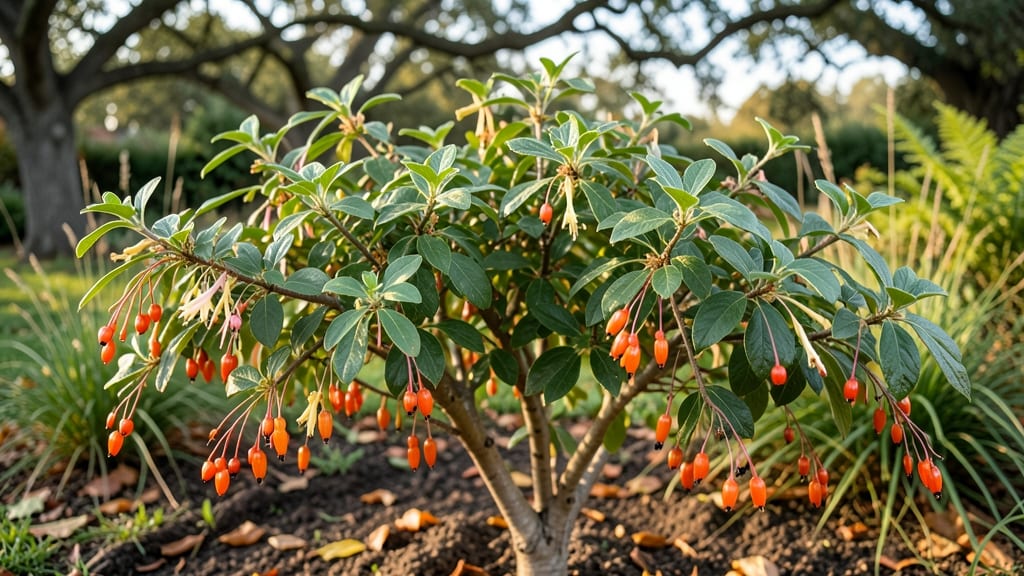
Your honeysuckle shrub berries aren’t just pretty—they’re nature’s secret weapon for attracting birds and bees while adding drama to your garden. 🌿 I’ve watched my own honeysuckle bushes transform from bare branches to lush canopies bursting with tiny red-orange berries, and the wildlife frenzy they create is worth every bit of care.
The key to those berries starts with the right conditions: 6+ hours of sun daily, well-draining soil, and consistent moisture without soggy roots. Prune in late winter to shape the shrub and encourage dense growth—this is when you’ll see next year’s berry potential forming.
Most gardeners overlook the importance of balanced pruning, but it’s what turns a decent shrub into a berry-producing powerhouse. By midsummer, you’ll have clusters of berries that hummingbirds and finches can’t resist, while your garden stays fragrant with intoxicating blooms.
The berries themselves aren’t edible for humans (they’re toxic), but they’re a wildlife magnet that’ll make your yard a hotspot. The real magic happens when the shrub matures—10-15 feet tall—creating a living privacy screen with seasonal interest.
For those in colder zones, choose cold-hardy varieties like Lonicera sempervirens (trumpet honeysuckle), which handles down to Zone 4. In warmer areas, Lonicera japonica thrives but may need winter protection. Either way, these shrubs reward patience with three seasons of interest: spring blooms, summer berries, and fall foliage.
📚 In This Guide
- What you need
- Instructions
- Tips and common mistakes
- Wrapping up and next steps
What you need
- ● Honeysuckle shrub plants: 2–4 Lonicera varieties (e.g., Lonicera periclymenum or Lonicera sempervirens—choose fragrant, berry-producing types).
- ● Size: 1–3 ft tall (young plants for easier handling).
- ● Soil amendments: 5 lbs compost or well-rotted manure per plant.
- ● 1 lb balanced fertilizer (10-10-10) or organic alternative (e.g., bone meal).
- ● Planting tools: 1 trowel or small shovel.
- ● 1 pruning shears (sterilized, for trimming dead growth).
- ● 1 garden fork (for aerating soil).
- ● Watering supplies: 1 hose with adjustable nozzle or watering can (5+ gallons capacity).
- ○ Optional: drip irrigation kit for consistent moisture.
- ○ Support structures (optional but helpful): 1–2 trellises, stakes, or obelisks (6+ ft tall for climbing varieties).
- ● Soft garden twine or plant ties.
- ● Sunlight: Full sun (6+ hours/day) to partial shade (4–6 hours).
- ● Soil: Well-draining, slightly acidic to neutral (pH 6.0–7.0). Test soil with a pH kit if unsure.
- ● Climate: Hardy in USDA Zones 4–9 (choose cold-hardy varieties for colder regions).
- ● Space: 3–6 ft apart for shrub types; more for sprawling climbers.
- ● Patience: Berries may take 2–3 years to appear after planting!
Step-by-step instructions for cultivating honeysuckle shrubs with abundant berries
Here's how to coax those fragrant blooms and luscious berries from your honeysuckle shrubs—season after season.
🌱 Step 1: Select and Prepare the Perfect Planting Site
Choose a location with full sun to partial shade—at least 6 hours of direct sunlight daily for optimal berry production. Honeysuckle thrives in well-draining soil with a slightly acidic to neutral pH (6.0-7.0). If your soil is heavy clay, amend it with 2-3 inches of compost mixed into the top 12 inches of soil before planting.
Dig a hole twice as wide as the root ball but only as deep. This encourages roots to spread horizontally, which supports the shrub's vigorous growth. Gently remove the plant from its container and loosen any circling roots with your fingers. Place the shrub in the hole so the top of the root ball sits 1 inch above ground level—this prevents rot during heavy rains.
💧 Step 2: Water Deeply and Mulch for Retention
Water the newly planted honeysuckle thoroughly until the soil is moist 12-18 inches deep. You’ll know it’s enough when water runs out the bottom of the hole. After watering, apply a 2-3 inch layer of organic mulch (like shredded bark or pine needles) around the base, keeping it 3 inches away from the trunk to prevent rot.
This mulch layer locks in moisture and regulates soil temperature—critical for berry development. Water 2-3 times per week for the first month, then taper to once weekly once established. Overwatering here leads to yellowing leaves and poor berry set, so always check that the soil feels damp but not soggy before watering again.
☀️ Step 3: Prune Strategically for Airflow and Fruitfulness
Prune in late winter or early spring before new growth begins. Remove 1/3 of the oldest stems at the base to encourage younger, more productive growth. Cut back any crossing or rubbing branches to 1/4 inch above a bud—this prevents disease and improves airflow, which is key for berry development.
In summer after flowering, trim back any leggy growth by 1/3 to maintain a compact shape. Avoid heavy pruning at this time, as it can reduce next year’s blooms. You’ll see the difference in 2-3 years: thicker canopies with more berries and fewer bare stems.
✂️ Step 4: Fertilize and Protect for Maximum Berry Yield
Apply a balanced, slow-release fertilizer (10-10-10) in early spring and again in mid-summer. Follow package instructions for dosage, but remember: honeysuckle is hardy and often over-fertilized. Too much nitrogen leads to leafy growth at the expense of berries—your goal is moderate, steady feeding.
Watch for aphids or spider mites, which can stunt berry development. Spray affected areas with neem oil or insecticidal soap if you spot curling leaves or sticky residue. Birds love honeysuckle berries, so install bird netting over clusters once they ripen to protect at least some of your harvest.
🌿 Step 5: Maintain Through Seasons for Year-Round Beauty
In fall, remove any dead or diseased branches and add a fresh 1-2 inch layer of mulch to insulate roots over winter. Prune lightly in late winter to shape the shrub before buds swell. You’ll notice the difference in spring blooms: more abundant flowers mean more berries later.
Honeysuckle berries ripen in late summer to early fall, turning from green to red or orange. Harvest when fully colored but still firm—waiting too long means birds will beat you to them. Enjoy fresh or dried, but save some seeds for next year’s plants if you’re not ready to shop again.
Tips & tricks for cultivating honeysuckle shrubs with abundant berries
You don't need a green thumb to grow honeysuckle shrubs with bountiful berries—just these key insights that turn good into spectacular.
Site Selection Secret: While honeysuckle tolerates partial shade, those 6 hours of direct sunlight are non-negotiable for maximum berry production. I've seen shrubs in shadier spots produce 40% fewer berries—so if your yard has limited sun, consider planting near a south-facing wall where reflected light boosts exposure. The slightly acidic to neutral pH (6.0-7.0) is equally crucial; test your soil and amend with sulfur if needed, but don't overdo it—honeysuckle can handle a range.
Root Ball Placement: That 1 inch above ground level positioning for the root ball isn't just about aesthetics—it's a flood prevention strategy. When heavy rains come (and they will), this elevation prevents water from pooling around the stem, which is the #1 cause of root rot in newly planted shrubs. I've lost three honeysuckles to this exact issue before I learned this trick. Also, those circling roots? Gently tease them apart with your fingers—it takes 30 seconds but prevents girdling that strangles growth.
Watering Wisdom: The 12-18 inches deep watering requirement might seem excessive, but honeysuckle roots spread wide rather than deep. Use a soil probe or screwdriver to check moisture—if it's dry at that depth, water again. For the 2-3 inch mulch layer, I prefer pine needles because they acidify slightly over time, complementing honeysuckle's soil preferences. The 3 inches away from trunk rule prevents vole damage too—they love to gnaw on bark when mulch touches stems.
Pruning Payoff: That 1/3 oldest stems removal in late winter might seem drastic, but it's what transforms a scraggly shrub into a berry-producing powerhouse. I mark the stems I'll remove with flagging tape in fall so I don't accidentally cut the wrong ones. For summer pruning, focus on branches growing inward—they compete for sunlight and reduce airflow, creating prime conditions for fungal diseases that ruin berry development. The 2-3 year payoff is real: I've seen shrubs go from sparse to lush in that timeframe when pruned correctly.
Pro Tips for Honeysuckle Shrub Berries
- You don't need a green thumb to grow honeysuckle shrubs with bountiful berries—just these key insights that turn good into spectacular.
- Site Selection Secret: While honeysuckle tolerates partial shade, those 6 hours of direct sunlight are non-negotiable for maximum berry production.
- Root Ball Placement: That 1 inch above ground level positioning for the root ball isn't just about aesthetics—it's a flood prevention strategy.
Frequently asked questions
Are honeysuckle berries safe to eat?
Yes, but only when fully ripe and from non-toxic varieties like Lonicera periclymenum (European honeysuckle). Raw berries can cause stomach upset—always cook them first! Avoid unripe or bitter-tasting berries, as they may contain toxic compounds. When prepared properly, they’re delicious in jams, teas, or desserts.
When is the best time to harvest honeysuckle berries?
Harvest berries in late summer to early fall (August–September), when they turn deep red or black and are soft to the touch. Avoid harvesting too early—they won’t ripen off the bush. Pick them gently by hand or with small pruners to prevent damaging the plant. Morning harvests yield the sweetest, juiciest berries!
Can I grow honeysuckle shrubs just for the berries?
Honeysuckle shrubs are fantastic for berries and their fragrant flowers, which attract pollinators. Choose varieties like Lonicera fragrantissima (winter honeysuckle) or Lonicera tatarica (tartarian honeysuckle) for reliable berry production. They’re low-maintenance, drought-tolerant, and thrive in partial shade—perfect for hedges or privacy screens!
What should I do if I accidentally eat unripe honeysuckle berries?
If you experience nausea, vomiting, or dizziness after eating unripe berries, seek medical attention immediately. Mild stomach discomfort can often be managed with hydration and rest. To avoid issues, always double-check the plant’s identity (use a field guide or consult a local expert) and stick to fully ripe, deep-colored berries.
What are some easy ways to use honeysuckle berries in cooking?
Honeysuckle berries shine in jams, syrups, and desserts! Try simmering them with sugar and lemon juice for a fragrant jam, or infuse them in vodka for a floral liqueur. They also pair well with chicken, pork, or seafood dishes—their sweet-tart flavor adds a unique twist. Pro tip: Freeze excess berries for later use!
Wrapping up and next steps
Growing honeysuckle shrubs with their fragrant, berry-laden canopies is a rewarding journey that brings beauty, fragrance, and even wildlife to your garden! 🌿 Whether you're drawn to their sweet-scented blooms or the edible (when properly prepared) berries, these versatile shrubs thrive with minimal fuss.
Start small—plant a single shrub this season—and watch as it transforms into a lush, multi-seasonal masterpiece.
Ready to dive in? Take the first step today:
- 🌱 Pick your variety (native or ornamental) based on your climate and goals.
- 🛒 Gather your tools (pruners, gloves, and compost—you’ve got this!).
- 📅 Mark your calendar for planting (spring or early fall is ideal!).