
Companion Plants
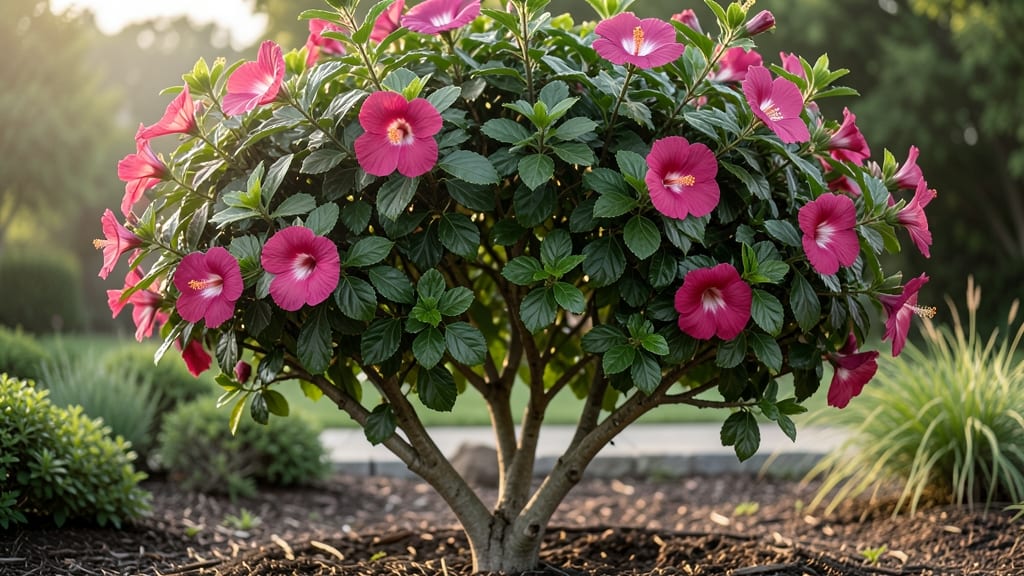
Growing hibiscus shrubs with fragrant canopies that last all season starts with the right variety for your climate. 🌿 I’ve planted both tropical and hardy hibiscus—tropicals need warmth year-round, while hardy types like Hibiscus syriacus thrive in zones 5-9 without fuss.
The secret to their lush growth? Matching their needs to your yard’s conditions.
These shrubs love full sun (6+ hours daily) and well-draining soil rich in organic matter. Amend heavy clay with compost, and water deeply once a week—more in extreme heat.
Mulch around the base to retain moisture and protect roots, especially for tropical types that can’t handle frost. Prune after blooming to encourage bushier growth and remove dead wood.
By summer’s end, you’ll have vibrant blooms that attract hummingbirds and butterflies. Hardy hibiscus even produce fragrant flowers in fall, while tropicals reward you with bold, dinner-plate blooms all season. The key? Consistent care and knowing your plant’s limits—whether it’s heat tolerance or cold hardiness.
Works for borders, privacy screens, or container gardens. Start with one variety to master the basics before mixing types. Your fragrant canopy is just a season away!
📚 In This Guide
- What you need
- Instructions
- Tips and common mistakes
- Wrapping up and next steps
What you need
- ● Hibiscus plants: Choose between tropical (Hibiscus rosa-sinensis) or hardy (Hibiscus moscheutos) varieties. Buy 3-5 mature plants (1-2 ft tall) or seeds for DIY growth.
- ● Well-draining potting mix: 5-10 gallons of a blend with 50% peat moss/compost and 50% perlite/sand (for pots) or native soil amended with compost (for in-ground planting).
- ● Containers: 1-2 large pots (12-18" diameter) with drainage holes (for potted hibiscus) or a sunny garden bed (for in-ground planting).
- ● Fertilizer: Balanced 10-10-10 or 20-20-20 granular fertilizer (apply every 4-6 weeks during growing season) or slow-release organic fertilizer (like fish emulsion).
- ● Pruning shears: Sharp, sterilized shears (for trimming dead blooms and shaping).
- ● Mulch: 2-3 inches of organic mulch (e.g., bark or straw) to retain moisture and regulate soil temperature.
- ● Watering can or hose: With a gentle spray nozzle (hibiscus dislikes soggy roots!).
- ● Epsom salt: 1 tbsp/month dissolved in water for magnesium boost (great for vibrant blooms!).
- ● Trellis or support: For climbing varieties (e.g., Hibiscus syriacus), add a 6-ft wooden trellis.
- ● Soil pH test kit: Hibiscus thrives in slightly acidic soil (6.0-6.5)—adjust with lime or sulfur if needed.
- ● Pest control: Neem oil or insecticidal soap (for aphids or spider mites).
- ● Sunlight meter: Ensures your hibiscus gets 6+ hours of direct sun daily.
Step-by-step instructions for planting and caring for hibiscus shrubs
Here's how to grow a fragrant, ever-blooming hibiscus that thrives year after year.
🌱 Step 1: Choose the Right Location and Prepare the Soil
Hibiscus shrubs need full sun exposure—at least 6-8 hours daily—so pick a spot where they'll get maximum sunlight. I always test the area by observing how much sun it receives over a few days before planting. The soil should drain well because hibiscus roots hate sitting in soggy conditions.
Amend the soil with 2-3 inches of organic compost mixed into the top 12 inches. Hibiscus loves rich, slightly acidic soil with a pH between 6.1 and 6.5. You can test your soil's pH with a simple kit from the garden center. If your soil is too alkaline, add sulfur to lower the pH gradually.
🪴 Step 2: Plant Your Hibiscus Shrub Correctly
Dig a hole that's twice as wide as the root ball but only as deep. Hibiscus roots spread outward, so a wider hole encourages stronger root growth. Gently remove the plant from its container and loosen any tangled roots with your fingers. This helps them establish faster in the new soil.
Place the shrub in the hole so the top of the root ball sits 1 inch above ground level. This prevents water from pooling around the stem, which can cause rot. Backfill the hole with soil, pressing lightly to remove air pockets. Water deeply right after planting to settle the soil and eliminate air gaps around the roots.
☀️ Step 3: Water and Mulch for Healthy Growth
Water your hibiscus deeply once a week, giving it about 1-1.5 gallons depending on the plant's size. The soil should be dry 2-3 inches down before watering again—stick your finger in the soil to check. Hibiscus is drought-tolerant once established, but young plants need consistent moisture to root well.
Apply a 2-3 inch layer of mulch around the base, keeping it 3-4 inches away from the trunk. Organic mulch like wood chips or shredded bark helps retain moisture, regulates soil temperature, and suppresses weeds. Replenish the mulch as it breaks down to maintain its protective layer.
✂️ Step 4: Prune and Fertilize for Continuous Blooms
Prune your hibiscus in late winter or early spring before new growth begins. Remove any dead, damaged, or crossing branches first. Then, cut back the previous year's growth by about one-third to encourage bushier growth and more flowers. This is also the time to shape the shrub to your preferred form.
Feed your hibiscus with a balanced, slow-release fertilizer in early spring and again in midsummer. Look for a 10-10-10 or 20-20-20 ratio to provide equal parts nitrogen, phosphorus, and potassium. Follow the package instructions for application rates, but remember hibiscus is a heavy feeder—don't skimp on fertilizer if you want abundant blooms.
🌿 Step 5: Protect and Maintain Through the Seasons
In winter, hibiscus may lose leaves in colder climates. If temperatures drop below 20°F, protect young shrubs with burlap wraps or frost cloth. Mature hibiscus can handle down to 15°F with proper care. Avoid heavy pruning in winter, as new growth is vulnerable to late frosts.
Watch for pests like aphids or whiteflies, which love hibiscus leaves. Spray the undersides of leaves with neem oil if you spot any. Deadhead spent blooms regularly to encourage more flowers and keep the shrub looking tidy. With proper care, your hibiscus will reward you with vibrant blooms and a fragrant canopy all season long.
Tips & tricks for perfect hibiscus shrub care
These practical insights will help you cultivate a thriving hibiscus that blooms beautifully all season long.
Sunlight Strategy: While the instructions call for 6-8 hours of sun daily, I've found that hibiscus actually thrives with morning sun and afternoon shade in hot climates. If your area gets intense afternoon sun, consider planting near a structure that provides partial shade during peak heat hours. This prevents leaf scorch while still giving them the light they need to bloom.
Root Establishment Tip: When planting, I like to add a handful of mycorrhizal fungi to the planting hole—it's an optional but game-changing addition for root growth. These beneficial fungi form symbiotic relationships with plant roots, helping them absorb water and nutrients more efficiently. You can find mycorrhizal powder at garden centers, and it mixes right into the soil at planting time.
Watering Wisdom: The once-weekly deep watering is perfect, but I've learned to adjust based on rainfall. If you get 1 inch of rain in a week, skip the scheduled watering. For young plants, I water every 4-5 days instead of weekly until they're established. Always water at the base rather than overhead to prevent fungal diseases that can develop on the leaves.
Fertilizer Timing: While the instructions recommend spring and midsummer feeding, I've had best results with a third feeding in early fall. This extra boost helps the plant store nutrients for winter growth. Use half-strength fertilizer in fall to avoid overstimulating new growth that might be damaged by early frosts.
Pro Tips for Hibiscus Shrubs Plants
- These practical insights will help you cultivate a thriving hibiscus that blooms beautifully all season long.
- Sunlight Strategy: While the instructions call for 6-8 hours of sun daily, I've found that hibiscus actually thrives ...
- Root Establishment Tip: When planting, I like to add a handful of mycorrhizal fungi to the planting hole—it's an opti...
Frequently asked questions
How fast do hibiscus shrubs grow, and when will they bloom?
Hibiscus shrubs grow at a moderate pace—typically 12–24 inches per year—depending on variety, sunlight, and care. Most tropical hibiscus (like Hibiscus rosa-sinensis) bloom within 1–2 years of planting, while hardy varieties may take slightly longer. Prune regularly to encourage bushier growth and more flowers!
Can hibiscus shrubs survive winter, or do I need to protect them?
It depends! Tropical hibiscus (non-hardy) need winter protection—mulch the base, wrap in burlap, or move pots indoors. Hardy hibiscus (like Hibiscus syriacus) tolerate light frost (down to 10–20°F) but may need extra mulch. Always check your zone and variety!
Why aren’t my hibiscus leaves turning red/purple, and how can I fix it?
Color changes often signal stress! Overwatering, poor drainage, or too much shade can cause dull leaves. Fix it:
- Ensure well-draining soil (mix in perlite or sand).
- Water deeply but only when the top 2 inches of soil are dry.
- Give them 6+ hours of sunlight daily for vibrant foliage.
What pests commonly attack hibiscus shrubs, and how do I get rid of them?
Watch for aphids, spider mites, or whiteflies—they love hibiscus! Natural fixes:
- Spray with neem oil or insecticidal soap.
- Introduce ladybugs or lacewings for biological control.
- Keep plants healthy and hydrated to deter pests.
Are there low-maintenance hibiscus alternatives for busy gardeners?
If hibiscus seems high-maintenance, try these fragrant, low-fuss alternatives:
- Butterfly Bush (Buddleia): Drought-tolerant, attracts pollinators, blooms all summer.
- Abelia (Abelia x grandiflora): Evergreen, fragrant flowers, thrives in partial shade.
- Dwarf Gardenia (Gardenia jasminoides): Creamy blooms, loves shade, and is pest-resistant.
Wrapping up and next steps
Hibiscus shrubs bring vibrant beauty, fragrance, and year-round interest to any garden—whether you’re a seasoned gardener or just starting out! 🌸 With the right care, these stunning plants thrive in diverse climates, offering lush foliage, bold blooms, and even edible benefits.
Their versatility makes them perfect for borders, hedges, or standalone statement plants.
Ready to transform your outdoor space? Start small with a single shrub or dive into a full hibiscus garden—your green thumb (or curiosity!) is all you need. Plan your layout today and watch your fragrant canopy grow! 🌿