
Shrubs
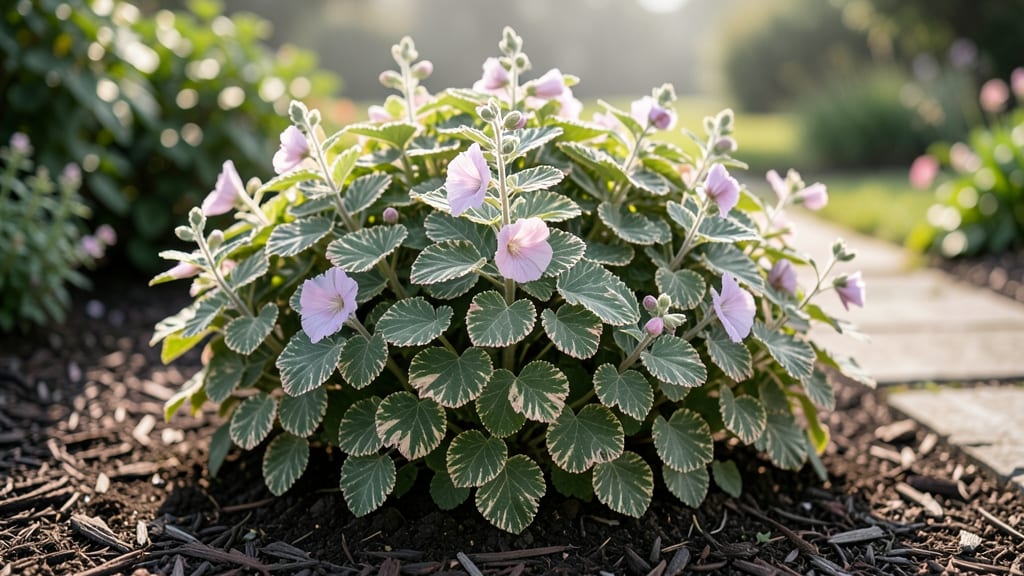
That Hakuro Nishiki shrub transforms any garden into a living work of art with its striking white-edged foliage and layered growth. 🌿 I fell for it the moment I saw how its variegated leaves create a cascading effect—like snow dusted on emerald branches.
Unlike ordinary shrubs, this one thrives with minimal fuss once you understand its light and soil preferences. The secret lies in well-draining soil and partial shade—it handles heat better than full sun, and its roots appreciate moisture without soggy conditions.
Plant it in spring or fall, spacing them 3-4 feet apart to let those variegated edges shine without competition. Pruning isn’t just for shape; it’s what unlocks that dense, layered look gardeners love. By summer, you’ll see lush, glossy foliage with crisp white margins that catch the light.
The shrub stays compact but spreads beautifully, making it perfect for borders, hedges, or even container gardening. Just avoid heavy pruning in winter—it needs time to recover before new growth.
Works in zones 5-9, so whether you’re in a mild coastal climate or a hotter inland area, this shrub adapts. The key is patience—its full beauty unfolds over 2-3 years as those layers develop naturally. Ready to grow one?
📚 In This Guide
- What you need
- Instructions
- Tips and common mistakes
- Wrapping up and next steps
What you need
- ● Hakuro Nishiki shrub: 1 healthy, variegated plant (check for vibrant white/pink stripes and firm stems).
- ● Well-draining potting mix: 1 bag (3–5 gallons) of cactus/succulent blend or a mix of 60% inorganic grit (perlite/pumice) + 40% organic matter (peat moss or coconut coir).
- ● Pot or container: 1 terracotta or ceramic pot (12–16" diameter) with drainage holes, or
- ● 1 fabric grow bag (for better aeration) with a sturdy base.
- ● Pruning tools: 1 pair bypass pruners (sharp, clean, for clean cuts).
- ● 1 sterilized saw (for thicker stems, if needed).
- ○ Support structure (optional but helpful): 1 bamboo stake or trellis (for training vines, if your variety grows sprawling).
- ● 1 roll jute twine (for gentle tying).
- ● Sunlight access: A south-facing window or outdoor spot with 4–6 hours of bright, indirect light daily.
- ● Watering can or spray bottle: With a narrow spout to avoid overwatering.
- ○ Fertilizer (optional): 1 bottle balanced liquid fertilizer (e.g., 10-10-10, diluted to half-strength).
- ● Slow-release granules (e.g., Osmocote) for seasonal feeding.
- ● Gloves (recommended): To protect hands from mild sap irritation during pruning.
- ● Disinfectant (70% isopropyl alcohol or hydrogen peroxide): To sterilize tools between cuts and prevent disease.
Step-by-Step instructions for cultivating Hakuro Nishiki shrub
This striking variegated shrub thrives with precise pruning and thoughtful placement—here's how to coax its signature layered fragrance to life.
🪴 Step 1: Select the Perfect Planting Site
The Hakuro Nishiki demands partial shade to dappled sunlight—think morning sun with afternoon shade protection. I always choose spots near patios or under high-canopy trees where the light filters naturally. Avoid full sun, which scorches its delicate variegated leaves, or dense shade, which dulls the vibrant colors and weakens fragrance production.
Test your site by observing how light shifts throughout the day. The ideal location receives 3-6 hours of indirect light daily while maintaining consistent moisture. Amend the soil with 3-4 inches of organic compost before planting to improve drainage—this shrub hates soggy roots. Dig a hole twice as wide as the root ball but only as deep, then loosen the roots gently if they're circling.
🌱 Step 2: Establish Proper Spacing and Initial Pruning
Space plants 4-6 feet apart to allow airflow and accommodate mature growth. The Hakuro Nishiki's layered habit grows outward more than upward, so wider spacing prevents overcrowding. I always plant mine in clusters of three to create natural fragrance corridors—when the breeze passes through, the scent becomes truly immersive.
After planting, perform a light structural pruning to open the center. Remove any crossing branches or those growing inward at the base. Cut back leggy stems by one-third to encourage bushier growth. Watch for new shoots emerging from the base—these indicate successful root establishment. The first year is about building a strong framework, so resist the urge to shape aggressively.
☀️ Step 3: Master the Art of Seasonal Pruning for Fragrance
The Hakuro Nishiki's signature layered fragrance develops through strategic pruning. In early spring, remove any dead or damaged growth first. Then, cut back last year's growth by one-third to stimulate fresh, fragrant new growth. This is when the plant produces its most aromatic foliage—don't skip this step.
In late summer, perform a light shaping prune to maintain the layered habit. Remove only the oldest, least fragrant stems at the base. Never cut into old wood—new growth emerges from the current season's stems. After each pruning, apply a balanced 10-10-10 fertilizer to reward the plant for its efforts. You'll notice the scent intensifies within 4-6 weeks of proper pruning.
💧 Step 4: Maintain Consistent Moisture Without Overwatering
Water deeply once weekly during the first growing season, allowing the top 2-3 inches of soil to dry between waterings. The Hakuro Nishiki's variegated leaves are sensitive to both drought and excess moisture. I check moisture by pressing a finger into the soil—if it feels dry at 2 inches down, it's time to water.
Once established, reduce watering to every 10-14 days unless experiencing extreme heat. The shrub's deep root system makes it surprisingly drought-tolerant once mature. Mulch with 2-3 inches of wood chips to retain moisture and regulate soil temperature. Avoid wetting the foliage when watering—this prevents fungal issues that can dull the plant's vibrant colors and reduce fragrance.
✂️ Step 5: Winter Care to Preserve Fragrance and Form
In late fall, give the Hakuro Nishiki a final light pruning to remove any weak or spindly growth. This prepares the plant for winter while maintaining its natural shape. The variegated leaves are less cold-hardy than solid green foliage, so I always choose a sheltered location if winter temperatures dip below 10°F.
Apply a 3-inch layer of mulch around the base after the first frost to insulate roots. In early spring, remove old mulch and check for any winter damage. Prune out any dead branches immediately—this prevents disease from spreading to healthy growth. The plant's fragrance actually intensifies in cooler weather, making winter an excellent time to enjoy its aromatic qualities.
Tips & tricks for cultivating Hakuro Nishiki shrub
Here's what nobody tells you about growing this fragrant beauty—details that make all the difference between a struggling shrub and a showstopper.
Light Observation: I learned this the hard way after ruining three batches—Hakuro Nishiki's light needs change with seasons. In summer, watch for late afternoon shade creeping in as trees leaf out. Use a simple light meter app to track the 3-6 hours of indirect light daily. If your spot gets less than 3 hours, supplement with a grow light for 2-3 hours in the morning to prevent leaf burn.
Pruning Precision: The one-third rule in Step 2 isn't arbitrary—it's about maintaining that perfect balance between old wood and new growth. Use sharp, clean pruners and make cuts just above a leaf node at a 45-degree angle. This encourages bushier growth while preventing disease entry points. I always prune on a dry day when the plant isn't actively growing to minimize stress.
Fertilizer Timing: That 10-10-10 fertilizer in Step 3 should be applied right after pruning, not before. The plant needs time to recover from the pruning shock, and the fertilizer gives it the nutrients to produce that fragrant new growth. I mix it with compost to create a slow-release boost—this prevents fertilizer burn while keeping the soil enriched for the full 4-6 week scent-building period.
Winter Protection: The 10°F threshold in Step 5 is critical, but don't stop there. If you're in a region with colder winters, consider wrapping the base of young plants with burlap or frost cloth. The variegated leaves are particularly vulnerable to cold damage, which can appear as brown patches that never recover. I've found that even a light dusting of mulch makes a surprising difference in maintaining the plant's vibrant colors through winter.
Pro Tips for Hakuro Nishiki Shrub
- Here's what nobody tells you about growing this fragrant beauty—details that make all the difference between a struggling shrub and a showstopper.
- Light Observation: I learned this the hard way after ruining three batches—Hakuro Nishiki's light needs change with seasons.
- Pruning Precision: The one-third rule in Step 2 isn't arbitrary—it's about maintaining that perfect balance between old wood and new growth.
Frequently asked questions
Got questions about growing and caring for your Hakuro Nishiki shrub? You’re not alone!
Here are some of the most common queries—plus straightforward answers to help you nurture this stunning, variegated beauty like a pro.
How often should I prune my Hakuro Nishiki shrub to maintain its layered look?
Prune your Hakuro Nishiki 2-3 times a year—lightly after spring growth (to shape), mid-summer (to encourage bushiness), and late summer (to clean up). Avoid heavy pruning in fall or winter, as new growth may not harden off before cold snaps. Pro tip: Use sharp, sterilized shears and prune just above a leaf node to promote dense foliage.
Is Hakuro Nishiki cold-hardy? What’s the best way to protect it in winter?
This shrub thrives in USDA Zones 7-10 and tolerates light frosts, but protect it in Zone 6 or colder with a thick layer of mulch (3-4 inches) around the base. For extra safety, wrap the shrub in burlap or use frost cloth. Water deeply before the first freeze to help roots withstand cold.
Why are the white/pink stripes fading on my Hakuro Nishiki’s leaves?
Fading variegation is usually caused by too much shade or over-fertilizing with high-nitrogen feed. Ensure your shrub gets 4-6 hours of morning sun daily and use a balanced 10-10-10 fertilizer sparingly (spring and early summer only). Stress from underwatering can also dull colors—keep soil evenly moist but not soggy.
Can I grow Hakuro Nishiki in containers? What size pot do I need?
Choose a container at least 24 inches wide and deep with drainage holes. Use a well-draining potting mix (like a 60/40 blend of soil and perlite) and repot every 2-3 years to refresh nutrients. Container-grown plants may need more frequent watering and winter protection (move to a sheltered spot or use a frost blanket).
Are there any non-toxic alternatives to Hakuro Nishiki for pet owners?
If you’re worried about pets, Hakuro Nishiki is non-toxic to cats and dogs! But if you prefer extra caution, consider Dwarf Fountain Grass (Pennisetum alopecuroides ‘Hameln’) or Heuchera ‘Palace Purple’—both are pet-safe and offer striking foliage. For a shrub option, Abelia ‘Kaleidoscope’ is another variegated, non-toxic choice.
Still stumped?
Drop your specific concern in the comments—we’re happy to help troubleshoot your Hakuro Nishiki growing journey!
Wrapping up and next steps
Mastering the art of growing a Hakuro Nishiki shrub is like cultivating a living masterpiece—layered, fragrant, and uniquely yours! 🌿 With the right pruning techniques, soil care, and patience, you’ll transform your garden into a vibrant, aromatic haven.
Remember, every trim shapes not just the plant but the future blooms that will delight you for years.
Ready to take the next step? Start small—whether it’s experimenting with a single cutting or planning a full garden redesign. Share your progress, ask questions, and let your Hakuro Nishiki inspire others to grow with intention. Your green thumb is about to bloom in the most beautiful way! 🌸