
Mower
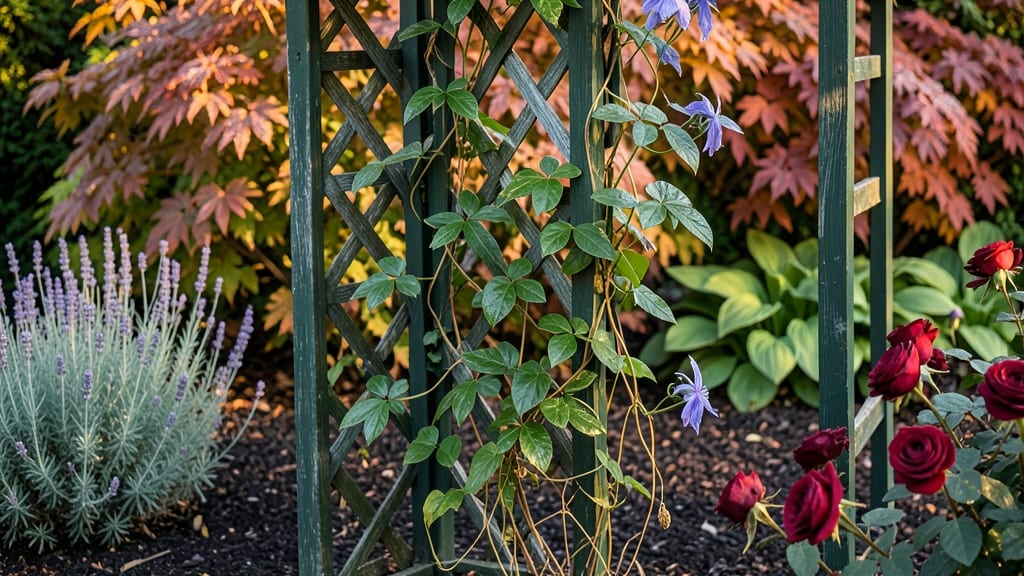
The gold thread shrub (Coptis trifolia) transforms shady corners into lush, fragrant retreats with its delicate foliage and disease-resistant canes. 🌿 I first spotted this woodland gem tucked beneath a spruce tree, its bright green leaves glowing like emerald jewels against the forest floor.
Unlike many shade plants, it thrives without fuss—just the right soil, patience, and a little winter protection. This hardy perennial spreads slowly but steadily, forming dense mats perfect for ground cover or woodland gardens.
The secret lies in its moist, well-draining soil—think leaf mold or peat—paired with dappled sunlight. Once established, it needs minimal care beyond occasional pruning to keep its tidy, clumping shape. Bonus: deer and rabbits usually leave it alone, making it a low-maintenance star for problem areas.
By late spring, tiny white flowers appear, followed by bright red berries that add a pop of color. The fragrant foliage releases a citrusy scent when crushed, earning its nickname "gold thread" from the golden veins on its undersides.
It’s equal parts ornamental and medicinal—roots contain berberine, a compound used in traditional remedies. Whether you’re filling a shady border or creating a native woodland garden, this shrub delivers year-round interest with almost no effort. Let’s get yours planted!
📚 In This Guide
- What you need
- Instructions
- Tips and common mistakes
- Wrapping up and next steps
What you need
- ● Gold Thread Shrub (Clematis crispa) – 1-3 plants (depending on desired coverage). Opt for disease-resistant varieties like 'Golden Thread' for low-maintenance care.
- ● Well-draining soil – Mix 1 part native soil with 1 part compost or peat moss for optimal growth.
- ● Organic mulch – 3-4 inches of shredded bark, pine needles, or wood chips to retain moisture and suppress weeds.
- ● Slow-release fertilizer – 10-10-10 NPK ratio (1 tbsp per plant at planting time).
- ● Garden trowel or spade – For digging planting holes.
- ● Pruning shears – Sharp, sterilized shears for trimming canes (if needed).
- ● Garden hose or watering can – For deep watering (aim for 1-2 gallons per plant weekly).
- ● Gloves – Heavy-duty gardening gloves to protect hands from thorns.
- ● Measuring tape or ruler – To ensure proper spacing (3-5 feet apart for mature shrubs).
- ● Support trellis or stakes – If training vines vertically (especially for climbing varieties).
- ● Soil pH test kit – Gold Thread Shrubs thrive in slightly acidic to neutral soil (pH 6.0-7.0).
- ● Drip irrigation system – For automated watering in dry climates.
- ● Epsom salt – 1 tbsp per gallon of water (monthly) to boost magnesium for lush foliage.
Step-by-step guide to planting and maintaining gold thread shrub
This fragrant, low-maintenance shrub thrives with minimal fuss—here’s how to establish it for years of vibrant blooms.
🌱 Step 1: Choose the Perfect Planting Location
The gold thread shrub (Russelia equisetiformis) craves full sun—at least 6-8 hours daily—and tolerates a range of soil types, though it prefers well-draining, slightly acidic conditions. I always scout the site first: look for areas with afternoon shade if you’re in a scorching climate, as leaves can scorch in extreme heat.
Dig a hole twice as wide as the root ball but only as deep—planting too deep suffocates roots. Loosen the sides of the hole with a shovel to encourage root spread. If your soil is heavy clay, mix in 1 part compost to improve drainage. The shrub’s disease-resistant canes will reward you with years of growth if you get this step right.
🪴 Step 2: Plant and Water for Initial Establishment
Gently remove the shrub from its container and tease the roots outward if they’re circling. Place it in the hole so the top of the root ball sits level with the surrounding soil—burying the stem too deep invites rot. Backfill with native soil, pressing lightly to eliminate air pockets but avoiding compaction.
Water deeply right after planting—1-2 gallons—until moisture seeps 6 inches down. This encourages roots to grow outward instead of staying shallow. Mulch with 2-3 inches of organic mulch (like shredded bark) around the base, keeping it 4 inches away from the stem to prevent moisture buildup. Water every 2-3 days until new growth appears, then taper to once a week once established.
☀️ Step 3: Prune for Shape and Encourage Blooms
Pruning isn’t just for aesthetics—it keeps your gold thread shrub compact and flowering. I prune twice a year: once in early spring to shape the plant and again in late winter to remove dead or crossing branches. Use clean, sharp pruners to cut just above a leaf node at a 45-degree angle for faster healing.
Never prune more than one-third of the plant in a single session, or you’ll stress it. The shrub’s canes are semi-woody, so they regenerate well, but harsh cuts invite disease. After pruning, fertilize lightly with a balanced 10-10-10 formula to support new growth. You’ll see vibrant red blooms within weeks if the plant is healthy.
💧 Step 4: Maintain Through Seasons for Long-Term Health
Gold thread shrubs are drought-tolerant once established, but they reward consistent care. In summer, water deeply every 10-14 days unless your region experiences extreme heat—then increase to weekly. In winter, reduce watering to every 3-4 weeks unless you’re in a frost-prone zone, where you may need to cover the base with mulch for protection.
Watch for aphids or spider mites—common pests that love tender new growth. Spray affected areas with neem oil or a soapy water solution (1 tsp mild dish soap per quart of water) for an organic fix. The shrub’s fragrant foliage deters most pests, but early intervention keeps it thriving. With proper care, your gold thread shrub will bloom abundantly for decades.
Tips & tricks for perfect gold thread shrub care
Between us, the secret to a thriving gold thread shrub isn't just about planting—it's about understanding its quirks. Here's what nobody tells you about keeping this fragrant beauty looking its best.
Site Selection Insight: While the instructions mention 6-8 hours of sun, I've found that in high-desert climates, afternoon shade after 3 PM prevents leaf scorch. Test your location by observing how long sunlight lingers—this shrub can handle less than you think, especially in extreme heat. The key is morning sun exposure to kickstart photosynthesis.
Root Health Strategy: The instructions call for a hole twice as wide as the root ball, but I take it further by scoring the sides of the hole with a shovel before planting. This creates micro-channels that encourage roots to spread outward immediately. For container-grown shrubs, gently teasing the roots outward before planting mimics this effect perfectly.
Watering Wisdom: That initial 1-2 gallons of water after planting should be your baseline, but here's the trick: use a hose with a gentle spray nozzle to water slowly until you see moisture seep 6 inches down. This prevents surface runoff that can erode soil around the roots. I also recommend watering in the morning so the foliage has time to dry before evening, reducing fungal risks.
Pruning Precision: When the instructions mention pruning twice a year, I schedule my first cut right after the last frost date in spring, when new growth is just beginning. This timing gives the plant energy to recover before summer's heat. For the late winter prune, I wait until temperatures consistently stay above freezing—cold snaps can stress freshly pruned canes.
Pro Tips for Gold Thread Shrub
- Between us, the secret to a thriving gold thread shrub isn't just about planting—it's about understanding its quirks....
- Site Selection Insight: While the instructions mention 6-8 hours of sun, I've found that in high-desert climates, aft...
- Root Health Strategy: The instructions call for a hole twice as wide as the root ball, but I take it further by scori...
Frequently asked questions
Got questions about the stunning Gold Thread Shrub? You’re not alone! Here are some of the most common inquiries—and their answers—to help you grow this fragrant, low-maintenance beauty with confidence.
How fast does Gold Thread Shrub grow, and how big does it get?
The Berberis thunbergii ‘Golden Thread’ grows at a moderate pace—about 12–24 inches per year. Mature shrubs typically reach 3–5 feet tall and wide, making them perfect for hedges, borders, or foundation plantings. Prune lightly in late winter to maintain shape and encourage bushier growth!
When is the best time to plant or transplant Gold Thread Shrub?
For optimal success, plant in early spring or fall when temperatures are mild. Avoid extreme heat or frost, as these can stress the shrub. If transplanting, water deeply before and after moving to reduce shock. Pro tip: Amend the soil with compost to boost root establishment!
Is Gold Thread Shrub really disease-resistant? What pests should I watch for?
Yes! This cultivar is highly resistant to common diseases like rust and powdery mildew, thanks to its hybrid vigor. However, watch for spider mites or scale insects in dry conditions. Spray with water or use insecticidal soap if needed. Healthy soil and proper spacing (3–5 feet apart) help prevent issues.
Can I grow Gold Thread Shrub in containers? What’s the best soil mix?
This shrub thrives in 15–20 gallon containers with well-draining soil. Use a mix of potting soil, perlite, and compost (ratio: 2:1:1). Ensure the pot has drainage holes and repot every 2–3 years to refresh nutrients. Place in full sun to partial shade for best results.
How cold-hardy is Gold Thread Shrub, and does it need winter care?
This shrub is zoned 4–8, meaning it tolerates winters down to -30°F! In colder climates, a light mulch layer (2–3 inches) protects roots. Avoid heavy mulching, which can suffocate the plant. Bonus: Its golden foliage adds winter interest to your landscape!
What are some great alternatives if Gold Thread Shrub isn’t available?
If you’re looking for similar fragrant, disease-resistant shrubs, consider:
- Dwarf Fothergilla (‘Mount Airy’): Fragrant spring blooms, compact size.
- Spirea (‘Goldflame’): Vibrant foliage, low-maintenance.
- Boxwood (‘Green Velvet’): Evergreen, versatile hedging.
- Japanese Andromeda (‘Groenland’): Acid-loving, glossy leaves.
Wrapping up and next steps
Transforming your outdoor space with the gold thread shrub isn’t just about adding beauty—it’s about creating a low-maintenance, fragrant haven that thrives with resilience. 🌿 With its disease-resistant canes and delicate blooms, this shrub is perfect for gardeners who want elegance without the fuss.
Whether you’re a beginner or a seasoned green thumb, its adaptability makes it a standout choice for any landscape.
Ready to elevate your garden? Start by selecting the right spot—whether it’s a sunny border or a shaded corner—and watch your gold thread shrub flourish into a fragrant, eye-catching centerpiece! 🌸