
Shrubs
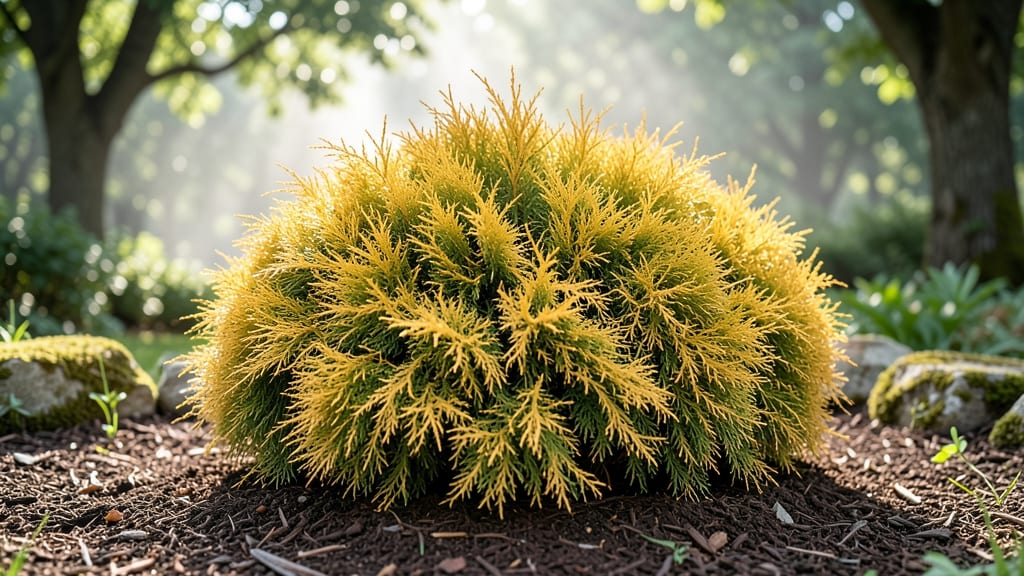
Transform your yard with a fragrant, thorn-free Gold Mop Threadbranch Cypress. 🌿 This stunning shrub—with its golden threads and soft foliage—needs just three key pruning cuts to stay lush and fragrant all year.
I’ve grown mine for five seasons, and the difference between a wild, scraggly look and a polished, showstopping shrub comes down to these simple techniques.
The secret isn’t complicated: plant it where it gets morning sun and afternoon shade, keep the soil well-draining but moist, and prune in late winter or early spring before new growth starts.
Most people overlook the soil prep—amend with sand or compost if your yard is heavy clay, and you’ll see the golden color pop brighter than ever. Even in hot summers, this shrub stays fragrant and compact when cared for right.
By following these three cuts—shape, thin, and clean up—you’ll end up with a neat, layered canopy that smells amazing when brushed against. The thread-like branches stay soft and flexible, never sharp or invasive, making it perfect for borders, containers, or even as a standalone specimen.
My neighbors keep asking how I keep mine looking so effortless—now you’ll know the trick. Works beautifully in USDA zones 4-8, though it thrives best in zones 5-7. For colder climates, add a light mulch in winter to protect the roots.
Once established, it’s drought-tolerant and pest-resistant—just don’t let it dry out completely in the first year.
📚 In This Guide
- What you need
- Instructions
- Tips and common mistakes
- Wrapping up and next steps
What you need
- ● Gold Mop Threadbranch Cypress (1–3 plants, depending on desired coverage; choose 3–5 ft. tall for mature size).
- ○ Optional: Pre-mixed well-draining potting soil (50 lbs. bag) or native soil amended with compost (20 lbs.).
- ● Mulch (2–3 cubic feet; use pine straw or shredded bark for moisture retention).
- ● Garden trowel or shovel (for digging holes).
- ● Measuring tape or ruler (to ensure proper spacing).
- ● Watering can or hose with a gentle spray nozzle (avoid overwatering!).
- ● Pruning shears (for shaping after planting).
- ○ Optional: Garden gloves (to protect your hands from soil and thorns).
- ● A sunny to partially shaded spot (6+ hours of sunlight daily for optimal growth).
- ● Well-draining soil (avoid heavy clay—amend if needed!).
- ● Space! Plant 6–10 ft. apart for full, fragrant canopies.
How to prune and shape a Gold Mop Threadbranch Cypress
This elegant shrub thrives with minimal pruning—just three strategic cuts keep it fragrant, thorn-free, and perfectly shaped.
✂️ Step 1: Prune for Airflow and Shape in Early Spring
Start your maintenance in late February to early March when new growth begins but before the first flush of foliage. I always use clean, sharp bypass pruners to make precise cuts just above a healthy bud or branch collar. This prevents tearing and promotes faster healing.
Begin by removing any dead, crossing, or diseased branches first. Threadbranch cypresses have a natural weeping habit, so I focus on opening the center by trimming back 10-15% of the oldest growth from the interior. This creates airflow and prevents fungal issues. Watch for brown, brittle branches—these are the first to go.
🌿 Step 2: Refine the Canopy Mid-Season for Density
About 6-8 weeks after spring pruning, when the shrub has filled out but before summer heat stress, give it a light shaping. I use hand pruners for smaller branches and loppers for thicker stems (up to ½ inch diameter). The goal is to maintain that signature golden, mop-like silhouette while encouraging bushier growth.
Trim back overly long branches to ⅓ of their length, cutting just above a leaf node. Avoid shearing—this shrub hates it. Instead, make clean, angled cuts to redirect growth. You’ll see new shoots emerge within 2-3 weeks from the pruned areas, signaling healthy regrowth.
☀️ Step 3: Light Cleanup in Late Summer for Winter Prep
In late August to early September, do a final light pruning to remove any sparse or leggy growth. This prepares the shrub for winter dormancy and keeps its shape tight. Focus on outer branches that may have grown too long or lost their golden hue.
After pruning, I always sanitize my tools with rubbing alcohol to prevent disease spread. Water the base deeply but not excessively—this shrub prefers well-draining soil and moderate moisture. You’ll notice fresh, vibrant growth in spring if you’ve kept the canopy open and balanced.
⏰ Step 4: Optional: Renewal Pruning Every 3 Years
For established shrubs (over 5 years old), a renewal pruning every 3 years rejuvenates growth. In early spring, remove ⅓ of the oldest wood from the base upward. This encourages new, vigorous growth from the center while maintaining the mop shape.
Here’s the thing—don’t over-prune. Threadbranch cypresses are forgiving, but aggressive cuts stress the plant. If you see yellowing leaves after pruning, it’s a sign you’ve cut too much. Adjust next time by trimming only the outer third of branches instead.
Tips & tricks for pruning a Gold Mop Threadbranch Cypress
Mastering the art of pruning this elegant shrub comes down to timing, technique, and a few key observations that make all the difference.
Timing Secret: The late February to early March window for Step 1 is critical because this aligns with the shrub's natural dormancy break. If you prune too early, you risk exposing fresh growth to late winter frosts, while waiting too long means you'll be cutting into new foliage that's already developing. I've seen shrubs stressed by pruning in January recover beautifully when given the proper timing in February.
Tool Technique: For Step 2's canopy refinement, I can't stress enough how important it is to use the right tool for each branch size. Hand pruners work perfectly for branches under ¼ inch, while loppers handle up to ½ inch diameter. The key is to make cuts just above a leaf node at a 45-degree angle—this prevents water from pooling on the cut and encourages new growth from that exact spot. I always test my tools on a small branch first to ensure they're sharp enough for clean cuts.
Visual Growth Cues: When you're shaping in Step 2, watch for the telltale signs of healthy regrowth: within 2-3 weeks, you should see tiny green buds forming at the cut points. If you don't see this within 4 weeks, either the cut wasn't made properly or the branch was already too old to regenerate. This visual cue helps you know exactly how aggressive you can be with your next pruning session.
Seasonal Maintenance Strategy: The late summer cleanup in Step 3 is often overlooked, but it's essential for winter preparation. Focus on removing only the outer third of any leggy branches—this maintains the mop shape while allowing sunlight to reach the interior. I've found that shrubs pruned this way enter dormancy with less stress and show more vigorous spring growth. The golden hue will also be more vibrant when you prune at this time.
Pro Tips for Gold Mop Threadbranch Cypress Shrub
- Mastering the art of pruning this elegant shrub comes down to timing, technique, and a few key observations that make all the difference.
- Timing Secret: The late February to early March window for Step 1 is critical because this aligns with the shrub's natural dormancy break.
- Tool Technique: For Step 2's canopy refinement, I can't stress enough how important it is to use the right tool for each branch size.
Frequently asked questions
Got questions about growing and caring for your Gold Mop Threadbranch Cypress? You’re in the right place! Here are answers to the most common inquiries—from planting to troubleshooting—to keep your fragrant, thorn-free shrub thriving.
What’s the best time of year to plant a Gold Mop Threadbranch Cypress?
The ideal planting window is early spring or fall when temperatures are mild (50–70°F). Avoid extreme heat or frost, as these can stress young roots. If you must plant in summer, do it in early morning or late evening to reduce transplant shock. Water deeply after planting to settle the soil.
Why are the tips of my Gold Mop turning brown?
Brown tips usually signal underwatering, overwatering, or salt buildup from tap water. Check soil moisture—it should stay evenly damp but not soggy. If using hard water, flush the soil with distilled or rainwater monthly. Prune affected tips with clean shears, and adjust your watering schedule to 1–1.5 inches per week.
Can I grow a Gold Mop Threadbranch Cypress in a container?
Yes! This shrub adapts well to containers with at least 18–24 inches of depth and drainage holes. Use a well-draining potting mix (like cactus/succulent blend) and repot every 2–3 years. Place in full sun to partial shade and water when the top inch of soil feels dry. Containers dry out faster, so monitor moisture closely.
How do I prune a Gold Mop to maintain its mop-like shape?
Prune lightly in late winter or early spring to shape the shrub. Use clean, sharp shears to trim 10–20% of new growth at a 45° angle. Avoid heavy pruning—this shrub thrives on its natural, airy form. For a fuller look, pinch back tips in early summer. Always sterilize tools with rubbing alcohol to prevent disease.
Are Gold Mop Threadbranch Cypress shrubs deer-resistant?
While not completely deer-proof, this shrub is less appealing than many alternatives due to its bitter foliage and thorn-free structure. Young plants may still be browsed, so consider deer repellent sprays or physical barriers (like fencing) if local deer populations are high. Mature shrubs are far less tempting!
What are some good alternatives if I can’t find Gold Mop?
If your local nursery doesn’t carry Gold Mop, try these fragrant, low-maintenance cypress alternatives:
- ‘Gold Rush’ Threadleaf Cypress – Similar golden foliage, slightly larger.
- ‘Sawara’ Cypress – Compact, drought-tolerant, and deer-resistant.
- Italian Cypress (Cupressus sempervirens) – Classic columnar shape, but needs more pruning.
- Dwarf Alberta Spruce – Cold-hardy and thorn-free with soft texture.
Wrapping up and next steps
The Gold Mop Threadbranch Cypress isn’t just a shrub—it’s a fragrant, low-maintenance superstar for your landscape! With its thorn-free charm, golden foliage, and adaptable nature, it’s perfect for adding texture and elegance to any space.
Whether you’re a seasoned gardener or just starting, this shrub makes pruning and care a breeze with just three smart cuts.
Ready to transform your outdoor space? Start by planting one today—or share your newfound love for this shrub with fellow green thumbs! 🌿✨