
Shrubs
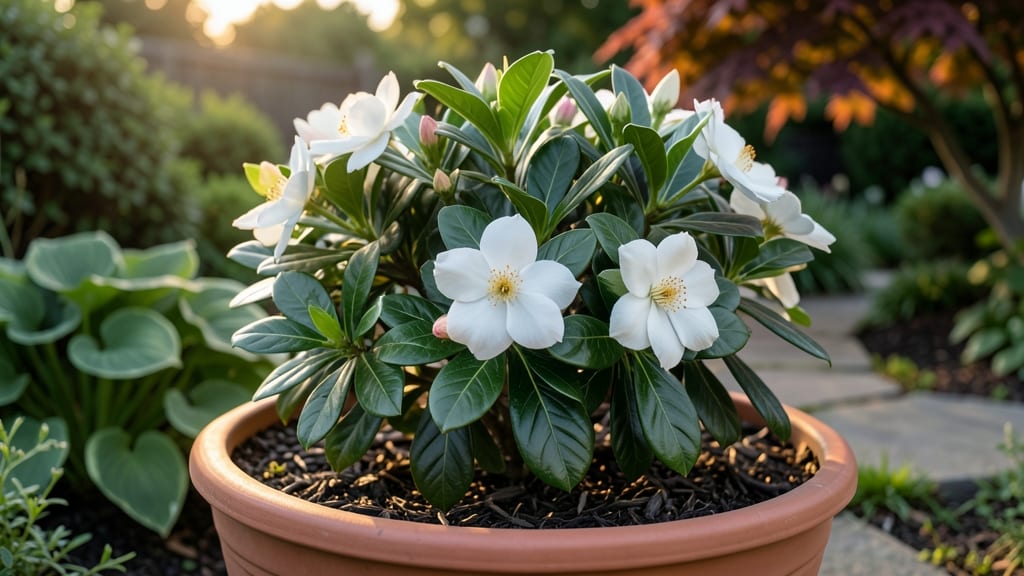
Transform your garden into a fragrant sanctuary with Gardenia 'August Beauty'—a thorn-free shrub that bursts into creamy-white blooms and fills the air with intoxicating perfume within just 3 years. 🌿 I fell in love with this variety after my first whiff of its blooms, and now it’s the star of my shade garden, thriving where other gardenias struggle.
This beauty thrives in acidic, well-draining soil and partial shade, making it perfect for humid climates or sheltered spots.
Unlike its thorny cousins, August Beauty grows lush and bushy with minimal fuss—just plant it in spring or early fall, keep the soil moist (but not soggy), and feed it once a month with acid-loving fertilizer during bloom season.
By summer, you’ll be rewarded with dozens of fragrant blooms that attract hummingbirds and fill your yard with a tropical escape vibe. The key to keeping it happy? Prune lightly after flowering to shape it, and mulch heavily to retain moisture and cool roots.
Whether you’re a beginner or a seasoned gardener, this shrub delivers low-maintenance elegance with high-impact results. Let’s get growing!
📚 In This Guide
- What you need
- Instructions
- Tips and common mistakes
- Wrapping up and next steps
What you need
- ● Gardenia 'August Beauty' plant: 1 healthy, 1- to 2-gallon container-grown shrub (check for vibrant green leaves and no signs of pests).
- ● Well-draining potting mix: 5–10 gallons (for container growing) or native soil amended with 3–4 inches of compost (for in-ground planting).
- ● Organic mulch: 2–3 inches of pine bark, wood chips, or shredded leaves (to retain moisture and regulate soil temp).
- ● Slow-release fertilizer: 10–20–10 NPK ratio (follow package instructions for application rates).
- ● Watering can or hose with a gentle spray nozzle: For deep, even hydration (avoid overhead watering to prevent fungal issues).
- ● Pruning shears: Sharp, clean pair (sterilize with rubbing alcohol between cuts).
- ○ Gloves (optional but recommended): To protect hands from sap (though ‘August Beauty’ is thorn-free, some gardeners prefer them!).
- ● Trowel or spade: For digging holes (6 inches wider and deeper than the root ball).
- ○ Stakes or plant supports (optional): If growing in windy areas, use 2–3 bamboo stakes and twine.
- ● pH testing kit: To ensure soil pH is 5.0–6.5 (gardenias thrive in acidic soil!).
- ● Epsom salt (magnesium sulfate): 1 tablespoon per gallon of water (monthly foliar spray for lush blooms).
- ● Lightweight shade cloth (30–50% coverage): For hot climates (gardenias prefer morning sun + afternoon shade).
How to plant and grow a thriving gardenia 'August Beauty' shrub
This fragrant, thorn-free variety thrives with the right site and care—here's how to establish it for years of blooms.
🌱 Step 1: Select the Perfect Planting Location
Choose a spot with full sun exposure (6-8 hours daily) and well-draining soil—the 'August Beauty' gardenia demands both. I always test soil drainage by digging a 12-inch hole and filling it with water; if it drains in under an hour, it's safe. This variety tolerates mild heat but wilts in afternoon sun above 90°F.
Morning sun with afternoon shade works best in hot climates. The shrub's glossy leaves signal when it's happy—deep green and slightly leathery. If leaves yellow or drop, your site has either poor drainage or too much shade. Mulch with 2-3 inches of organic mulch (like pine bark) to protect roots and retain moisture.
🪴 Step 2: Prepare the Planting Hole and Soil
Dig a hole twice as wide as the root ball but only as deep—planting too deep suffocates roots. Gardenias hate disturbed soil, so I loosen the sides of the hole with a shovel but leave the bottom undisturbed. Mix the excavated soil with equal parts peat moss and perlite to improve drainage.
Gently remove the gardenia from its container and tease apart any circling roots. Place it in the hole so the top of the root ball sits 1 inch above ground level. The plant's natural growth habit means it won't need staking, but if your site is windy, add support immediately. Backfill with the amended soil, pressing lightly to eliminate air pockets.
☀️ Step 3: Water Deeply and Establish a Routine
Water the newly planted gardenia deeply (1-2 gallons) until water runs out the drainage holes. This variety needs consistent moisture but despises soggy roots. I water every 2-3 days in summer, checking by sticking my finger 2 inches into the soil—if it feels dry, it's time. Reduce to once weekly in winter.
Fertilize with an acid-loving plant formula (like 8-3-9) every 6-8 weeks during growing season. The 'August Beauty' blooms best when soil pH stays between 5.0-6.5. Yellow leaves often mean your soil is too alkaline—test it annually and amend with sulfur if needed. Prune spent blooms immediately to encourage more flowers.
✂️ Step 4: Prune for Shape and Health
Prune after flowering (late summer) to shape the shrub and remove dead wood. I cut back overgrown branches by one-third to maintain a natural, rounded form. The 'August Beauty' grows 6-8 feet tall and wide, so regular pruning keeps it manageable. Always use clean, sharp shears to avoid tearing branches.
Watch for signs of stress—wilting leaves or brown tips mean either overwatering or underwatering. This variety is disease-resistant, but powdery mildew can appear in humid climates. Spray with neem oil at the first sign of white powder on leaves. The fragrant blooms will reward your patience—just be consistent with care.
Tips & tricks for perfect gardenia 'August Beauty' planting
Between us, the difference between a struggling gardenia and one that thrives for years often comes down to these few key details—especially when you're working with the 'August Beauty' variety. Let me save you the headache I went through before I learned these tricks.
Soil Test First: Before you even dig that hole, grab a soil test kit from your local garden center. The 'August Beauty' demands acidity between 5.0-6.5 pH, and many garden soils run too alkaline. If your test shows pH above 7.0, amend with sulfur (following package rates) before planting. I've seen gardenias planted in untested soil fail within months—don't make that mistake.
Root Ball Prep: When you remove the gardenia from its container, don't just drop it in the hole. Soak the root ball in water for 10-15 minutes before planting to rehydrate any dried roots. Then, gently separate any circling roots with your fingers—this prevents the dreaded "pot-bound" syndrome where roots strangle themselves. The 'August Beauty' has a vigorous root system that needs room to spread.
Watering Strategy: That initial deep watering (1-2 gallons) is non-negotiable, but here's what nobody tells you: After planting, water every morning for the first week, not just once. This establishes consistent moisture without shocking the roots. Think of it like giving your new plant a hydration IV—steady and frequent. Once established, you can relax to the 2-3 day schedule, but only after those first seven days of daily care.
Pruning Hack: When pruning those spent blooms, don't just snip at the base. Cut back to just above a leaf node where new growth can emerge. I use clean pruning shears and dip them in rubbing alcohol between cuts to prevent spreading any potential diseases. This method encourages bushier growth and more flowers—because the plant knows exactly where to put its energy.
Pro Tips for Gardenia August Beauty Shrub
- Between us, the difference between a struggling gardenia and one that thrives for years often comes down to these few...
- Soil Test First: Before you even dig that hole, grab a soil test kit from your local garden center. The 'August Beaut...
- Root Ball Prep: When you remove the gardenia from its container, don't just drop it in the hole. Soak the root ball i...
Frequently asked questions
How fast does 'August Beauty' grow, and when will it bloom?
The Gardenia 'August Beauty' is a fast grower, reaching 3–5 feet tall in just 3 years with proper care! Blooms typically appear in late summer to early fall (August through October), earning it the "August Beauty" name. For earlier flowers, prune lightly in spring to encourage new growth.
Can I prune 'August Beauty' after it blooms, or will it stop flowering?
Yes! This shrub is highly forgiving—prune after blooming (fall or early winter) to shape it or remove dead wood. Avoid heavy pruning in spring, as it may delay flowers. Pro tip: Lightly trim leggy branches in late winter to promote bushier growth and more blooms next season!
Why aren’t my gardenia leaves turning glossy green like I’ve seen in photos?
Gardenias thrive in bright, indirect light and consistent moisture. Yellowing or dull leaves often signal underwatering, overwatering, or low humidity. Water when the top 1–2 inches of soil are dry, and mist leaves (or place a tray of water nearby) to mimic tropical conditions. Bonus: A balanced acid fertilizer (like 8-3-9) every 4–6 weeks keeps foliage vibrant!
Are 'August Beauty' gardenias pest-prone? How do I prevent issues?
While generally pest-resistant, these shrubs can attract aphids, spider mites, or whiteflies in dry conditions. Prevent problems by:
- Watering deeply (avoid soggy soil).
- Spraying leaves with neem oil monthly as a preventative.
- Removing infested leaves immediately.
Can I grow 'August Beauty' in a pot, or is it better planted in the ground?
This shrub adapts well to containers if you:
- Use a 15+ gallon pot with drainage holes.
- Water daily in summer (potted plants dry faster!).
- Place in morning sun/afternoon shade (avoid harsh afternoon rays).
Wrapping up and next steps
The Gardenia 'August Beauty' is a dream come true for gardeners seeking a fragrant, fast-growing, and thorn-free shrub that delivers year-round beauty with minimal fuss.
Its lush foliage, intoxicating blooms, and adaptability make it a standout choice for hedges, borders, or even container gardens—plus, its rapid growth means you’ll enjoy its magic in just three years! 🌸
Ready to transform your outdoor space? Start by gathering your supplies, choosing the perfect spot, and following the simple steps outlined above. With a little care and patience, you’ll be rewarded with a scented, thriving canopy that brings joy for seasons to come. Happy planting! 🌱