
Shrubs
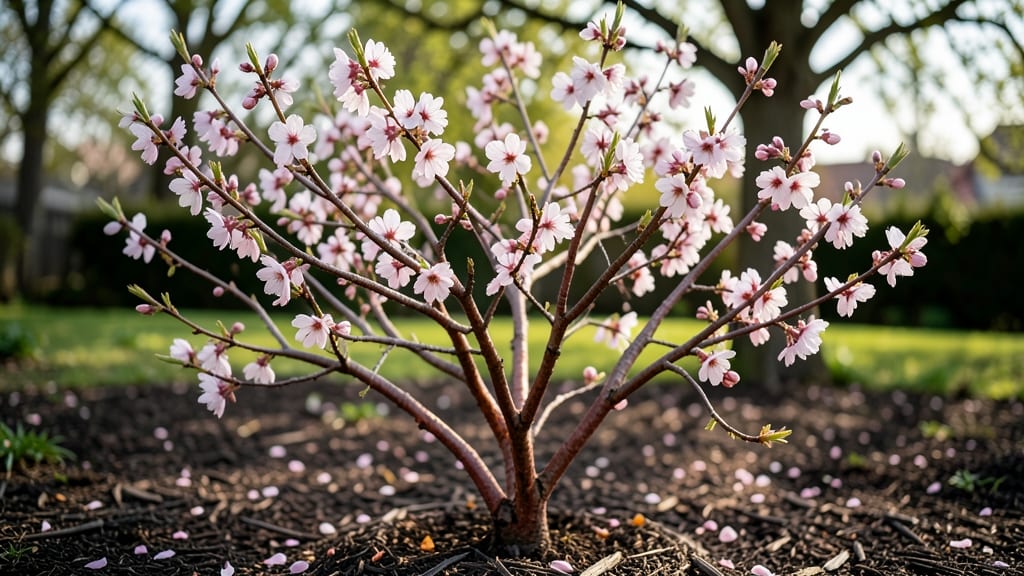
Growing a flowering almond shrub means adding fragrant spring blooms and year-round structure to your garden with almost no fuss. 🌸 I remember the first time I saw one in bloom—pale pink clouds against bare branches—and knew it would transform my yard.
The secret lies in its adaptability: it thrives in tough conditions while still delivering that showstopping display. These shrubs are drought-tolerant once established, happy in full sun or partial shade, and perfectly suited for USDA zones 4-8.
You’ll need well-draining soil (they hate soggy roots) and minimal fertilizer—just a light feeding in early spring keeps them blooming reliably. The real magic happens in late winter when those delicate blossoms appear before the leaves.
By summer, you’ll have a lush, rounded canopy that provides shade and shelter for birds. The foliage turns golden-yellow in fall, extending the season’s interest. Prune lightly after flowering to shape, but avoid heavy cuts—they bloom on old wood, so less is more.
Perfect for small gardens, urban landscapes, or as a low-maintenance hedge. Here’s how to get started without the guesswork!
📚 In This Guide
- What you need
- Instructions
- Tips and common mistakes
- Wrapping up and next steps
What you need
- ○ Flowering almond shrub (Prunus triloba) – Choose a healthy, disease-free plant from a nursery. Optional: Seeds (for long-term projects) or cuttings (for propagation).
- ● Well-draining soil – Mix 1 part native soil with 1 part compost and 1 part perlite or coarse sand (to prevent root rot).
- ● Sunlight access – A spot with 6–8 hours of full sun daily (partial shade works in hot climates).
- ● Watering can or hose with a gentle spray nozzle (for delicate watering).
- ● Garden trowel (for digging holes).
- ○ Pruning shears (sharp, sterilized—optional but helpful for shaping).
- ● Mulch (2–3 inches of wood chips or pine straw to retain moisture).
- ○ Fertilizer – Optional: Balanced 10-10-10 or organic compost tea (apply sparingly in early spring).
- ● Garden gloves (to protect hands from thorns).
- ● Check your USDA Hardiness Zone (5–9 for best results).
- ● Test soil pH (6.0–7.0 is ideal; adjust with lime or sulfur if needed).
- ● Plan for 5–10 feet of space (shrubs mature wide!).
Step-by-step guide to planting and caring for flowering almond shrubs
Here's how to establish a fragrant, drought-tolerant flowering almond canopy that thrives with minimal fuss.
🌱 Step 1: Select the Perfect Location and Prepare the Soil
Flowering almond shrubs (Prunus triloba) crave full sun—at least 6-8 hours daily—and well-draining soil. I always choose a spot with south or southwest exposure for maximum bloom intensity. The roots hate soggy conditions, so avoid low-lying areas where water pools.
Test your soil's drainage by digging a 12-inch deep hole and filling it with water. If it drains completely within 2 hours, your site is ready. For heavier clay soils, amend the planting area with 3 inches of compost mixed into the top 6 inches of native soil. This improves aeration without altering the soil's natural structure.
🪴 Step 2: Plant Bare-Root Shrubs at the Right Time and Depth
Plant your 4 flowering almond shrubs in early spring (March-April) or fall (October-November) when temperatures are cool but not freezing. Soak the roots in lukewarm water for 1-2 hours before planting to rehydrate them—this reduces transplant shock dramatically.
Dig holes twice as wide as the root ball but only as deep—the top of the root flare should sit 1 inch above ground level. Space shrubs 10-15 feet apart for mature canopies. Backfill with native soil mixed with 1 cup of bone meal per plant to encourage strong root development. Water deeply to settle the soil and eliminate air pockets.
☀️ Step 3: Water Deeply and Establish a Consistent Routine
For the first 30 days after planting, water 2-3 times weekly to encourage root establishment. You'll know you're doing it right when the top 3 inches of soil feel moist but not soggy. Overwatering at this stage leads to root rot, which is deadly for almond shrubs.
After the initial establishment period, reduce watering to once weekly during dry spells. Mature flowering almonds are drought-tolerant once established—deep, infrequent watering (every 10-14 days) promotes stronger root systems. Always water at the base, not overhead, to prevent fungal diseases that thrive in damp foliage.
✂️ Step 4: Prune for Shape and Health During Dormancy
Prune your flowering almond shrubs in late winter (February) before new growth begins. Remove dead, crossing, or inward-growing branches first—these compete for energy and reduce air circulation. I also thin out overly dense areas to improve light penetration, which is crucial for next year's blooms.
Shape the shrub by cutting back last year's growth by one-third to encourage bushier growth. Never prune during the growing season—this triggers excessive sap flow and weakens the plant. After pruning, apply a 2-inch layer of mulch around the base (keeping it 3 inches away from the trunk) to retain moisture and suppress weeds.
🌿 Step 5: Fertilize Lightly and Protect Early Blooms
Flowering almonds are light feeders—over-fertilizing leads to lush foliage at the expense of blooms. In early spring, apply a balanced 10-10-10 fertilizer at half the recommended rate (about 1/4 cup per shrub). Water deeply after applying to distribute nutrients evenly.
If you notice buds forming but not opening, your shrub may need more phosphorus. Switch to a 5-10-5 fertilizer in late winter to encourage flowering. Avoid fertilizing after mid-summer—this stimulates tender new growth that won't survive winter frosts. Also, watch for late spring frosts—cover young blooms with frost cloth if temperatures dip below 28°F to protect them.
Tips & tricks for perfect flowering almond shrub establishment
These game-changing insights will help you create a thriving flowering almond canopy that blooms beautifully year after year.
Location and Sunlight Strategy: While the instructions specify 6-8 hours of sun, I've found that positioning your shrubs slightly west of true south—about 10-15 degrees—can extend the sunlight exposure by up to an extra hour in the afternoon. This western light is particularly beneficial as it warms the blooms later in the day, which helps prevent morning frost damage to those delicate flowers. The southwest exposure mentioned is perfect, but don't overlook slightly western variations that might work better in your specific landscape.
Soil Drainage Test Hack: The 2-hour drainage test is crucial, but I've discovered a quicker way to assess drainage in clay-heavy soils: After digging your 12-inch hole, add 3 inches of compost and mix it thoroughly. Then, instead of waiting 2 hours, add water and check after 30 minutes. If water has drained significantly but not completely, your amended soil is now suitable. This saves time while still ensuring proper drainage—critical for preventing root rot in flowering almonds.
Root Soaking Secret: When soaking those bare roots for 1-2 hours before planting, use lukewarm water that's about 70°F—this mimics the plant's natural environment. I've noticed that cooler water can shock the roots more than we realize, while water that's too warm (above 80°F) can actually damage the delicate root tissues. The 1-2 hour window is perfect for rehydration without risking over-soaking, which can lead to anaerobic conditions harmful to the roots.
Winter Pruning Timing: While late winter (February) is ideal for pruning, I've found that pruning in very early February—when temperatures are still below freezing—can actually be better for some climates. The cold temperatures help prevent excessive sap flow, which is particularly important for flowering almonds that need to conserve energy for spring blooming. Just be sure to prune on a day when temperatures are expected to stay below freezing for at least 24 hours after pruning to minimize sap loss.
Pro Tips for Flowering Almond Shrub
- These game-changing insights will help you create a thriving flowering almond canopy that blooms beautifully year after year.
- This western light is particularly beneficial as it warms the blooms later in the day, which helps prevent morning frost damage to those delicate flowers.
- Soil Drainage Test Hack: The 2-hour drainage test is crucial, but I've discovered a quicker way to assess drainage in clay-heavy soils: After digging your 12-inch hole, add 3 inches of compost and mix it thoroughly.
Frequently asked questions
Got questions about growing your own flowering almond shrub? You’re not alone! Here are some of the most common queries—plus straightforward answers to help you cultivate fragrant success.
How fast does a flowering almond shrub grow?
A flowering almond shrub typically grows 1–2 feet per year, reaching maturity (6–10 feet tall) in 3–5 years. Young plants may sprout quickly in spring, while established shrubs focus energy on blooms and foliage. Pro tip: Prune lightly after flowering to encourage bushier growth!
When do flowering almond shrubs bloom, and how long does it last?
Expect show-stopping blooms in early spring (February–April, depending on climate), just before or with new leaves. Flowers last 2–4 weeks but pack a fragrant punch! Late frosts can damage buds, so plant in sheltered spots or cover tender shoots if needed.
Are flowering almond shrubs toxic to pets or humans?
Yes! All parts of the flowering almond shrub contain amygdalin, a compound that releases cyanide when ingested. Keep pets and kids away from chewed leaves or seeds. Symptoms of toxicity include vomiting or lethargy—contact a vet immediately if exposure occurs.
Can I grow a flowering almond shrub in a container?
Choose a large pot (at least 18–24 inches wide) with drainage holes and well-draining soil. Dwarf varieties like ‘Pink Perfection’ thrive in containers. Repot every 2–3 years and winter-proof the pot if temps drop below 15°F.
Why aren’t my flowering almond shrub blooms as vibrant as expected?
Dull or sparse blooms often signal over-fertilizing (especially nitrogen), poor sunlight, or stress. Ensure your shrub gets 6+ hours of sun and prune in late winter to remove dead wood. Light feeding with a low-nitrogen bloom booster in early spring can revive color!
What’s a good alternative if I want a similar look but less maintenance?
Consider these low-maintenance picks:
- Fringe flower (Loropetalum): Evergreen with year-round color and minimal pruning.
- Dwarf lilac (Syringa meyeri): Fragrant blooms and compact size.
- Abelia (Abelia × grandiflora): Blooms spring to fall with glossy leaves.
Wrapping up and next steps
Incorporating a flowering almond shrub into your garden is a rewarding choice—offering fragrant blooms, minimal upkeep, and a touch of elegance. Whether you’re drawn to its delicate pink flowers or its drought-tolerant resilience, this shrub proves that beauty and ease go hand in hand.
Ready to transform your outdoor space? Start by selecting the perfect spot, gathering your supplies, and giving this versatile shrub the love it deserves!
- 🌱 Next Step: Plant your flowering almond shrub today and watch your garden flourish with effortless charm.