
Shrubs
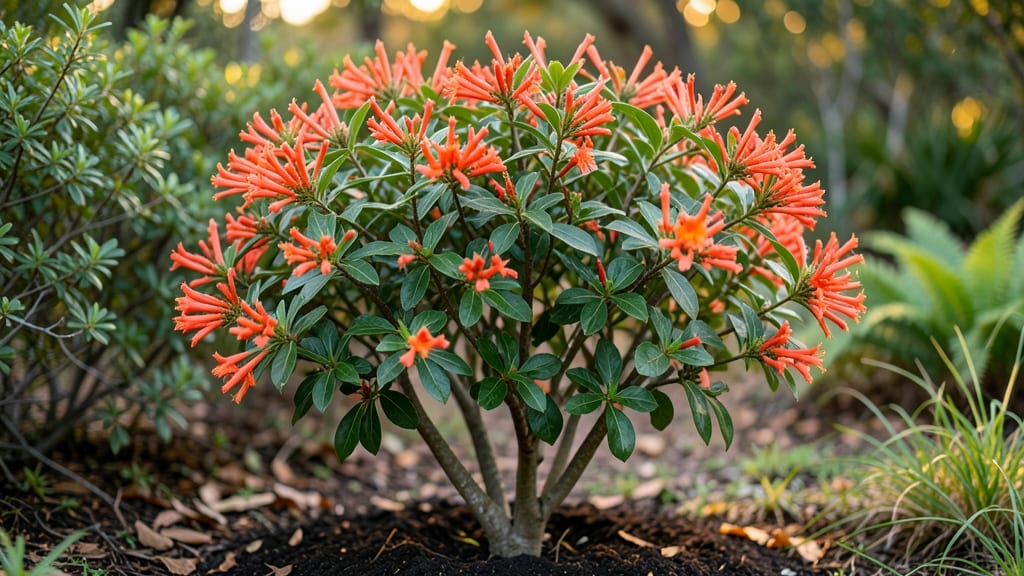
Florida’s sun-loving flowering shrubs turn your yard into a vibrant canvas year-round. 🌿 I’ve planted everything from crape myrtles to firebush, and these tough beauties thrive where others struggle—hot, humid, and sometimes soggy.
The key is choosing the right varieties and giving them the care they actually need, not what you’d do in a cooler climate.
Most Florida-friendly shrubs need full sun (6+ hours daily) and well-draining soil, but they’re surprisingly low-maintenance once established. Crape myrtles bloom from summer to fall, firebush bursts with red flowers in winter, and abelia keeps things lush with white or pink blooms nearly all year.
The trick? Avoid overwatering—Florida’s heat means roots need air, not puddles.
With the right pruning (just after blooming) and a little seasonal attention, these shrubs become the backbone of your landscape. Imagine your yard in springtime colors—pink, purple, and red—without the fuss.
The best part? They attract pollinators, repel pests, and handle Florida’s quirks like hurricanes and humidity better than most imported plants.
Whether you’re starting from bare-root plants or transplanting, I’ll walk you through the steps—from soil prep to pest control—that keep these shrubs thriving for decades. No green thumb required, just a willingness to let nature do the heavy lifting.
📚 In This Guide
- What you need
- Instructions
- Tips and common mistakes
- Wrapping up and next steps
What you need
- ● Flowering shrubs: Choose from Florida-friendly varieties like Firebush (Hamelia patens), Coral Bean (Erythrina herbacea), or Oakleaf Hydrangea (Hydrangea quercifolia). Buy 3–5 mature plants (3–5 ft tall) for full coverage or 10–12 smaller nursery starts (1–2 ft) for a DIY garden.
- ● High-quality potting mix or native soil: 5–10 gallons (depending on plant size). Use a blend with 50% native Florida soil and 50% compost for optimal drainage.
- ● Organic mulch: 2–3 cubic feet of pine straw, cypress mulch, or shredded hardwood to retain moisture and suppress weeds.
- ● Slow-release fertilizer: 1 lb of a balanced 6-6-6 or 8-3-9 formula (look for Florida-friendly options like Espoma or Osmo).
- ● Watering can or hose with a gentle spray nozzle: Essential for deep watering (1–2 gallons per plant, 2–3 times per week).
- ● Garden gloves (heavy-duty, waterproof) – 1 pair to protect your hands.
- ● Hand trowel or transplant spade – 1–2 units for digging holes (6–12 inches wide/deep).
- ● Pruning shears – 1 pair (sterilized with rubbing alcohol) for shaping and deadheading.
- ● Measuring tape – 1 unit to space plants 3–6 ft apart (depending on variety).
- ● Wheelbarrow or bucket – 1 unit (5+ gallons) for mixing soil and hauling materials.
- ● Epsom salt (1 lb) – Boosts magnesium for hydrangeas and azaleas.
- ● Plant supports (bamboo stakes or cages) – For Coral Bean or tall varieties.
- ● Mulch rings or landscape fabric – Keeps mulch in place and reduces weeds.
- ● Drip irrigation kit – Automates watering for year-round low-maintenance care.
- ● Native plant guidebook – For Florida-specific care tips and pollinator-friendly picks.
Instructions for planting Florida-friendly flowering shrubs
Here’s how to establish sun-loving shrubs that thrive year-round in Florida’s climate.
🌱 Step 1: Select and Prepare the Planting Site
Choose a location with at least 6 hours of direct sunlight daily—most Florida flowering shrubs like abelia, gardenia, or murraya require full sun to bloom reliably. Test the soil pH with a kit; most of these prefer slightly acidic to neutral soil (6.0–7.0). If your soil is heavy clay, amend it with 2–3 inches of organic compost mixed into the top 12 inches of soil.
Dig a hole twice as wide as the root ball but only as deep as the container’s root base. Loosen the sides of the hole with a shovel to encourage root spread. Avoid planting in low spots where water pools—Florida’s humidity is enough without soggy roots.
🪴 Step 2: Plant and Stake for Stability
Remove the shrub from its container and gently tease the roots outward if they’re circling. Place the plant in the hole so the top of the root ball sits level with the surrounding soil—burying too deep can suffocate the stem. Backfill with native soil mixed with a handful of slow-release granular fertilizer (look for one with balanced NPK like 10-10-10).
Water deeply to settle the soil, then tamp it down lightly with your hands. Insert a stake no thicker than 1 inch next to the shrub and tie the main stems loosely with soft fabric strips. This prevents wind damage while roots establish—critical in Florida’s summer storms.
☀️ Step 3: Water and Mulch for Florida Conditions
Water deeply every 2–3 days for the first 2 weeks, then taper to once a week once new growth appears. Florida’s heat and humidity mean roots need moisture, but overwatering leads to rot. Check by sticking your finger 2 inches into the soil—if it’s dry, water again.
Apply 2–3 inches of mulch (pine bark or cypress mulch works well) around the base, keeping it 3 inches away from the stem. This conserves moisture, regulates soil temperature, and suppresses weeds. Replenish mulch annually—it breaks down faster in Florida’s warm, wet climate.
✂️ Step 4: Prune for Shape and Bloom Encouragement
Lightly trim leggy growth in early spring to encourage bushier, fuller plants. For flowering shrubs like abelia or gardenia, prune right after blooming to shape the shrub and promote next year’s flowers. Use clean, sharp pruners and cut just above a leaf node at a 45-degree angle to prevent water pooling.
Remove any dead, diseased, or crossing branches immediately. Florida’s humidity spreads fungal issues fast—sterilize your pruners with rubbing alcohol between cuts. Avoid heavy pruning in late summer; new growth won’t harden off before winter.
🌿 Step 5: Fertilize and Monitor for Pests
Apply a balanced, slow-release fertilizer in early spring and again in mid-summer to support continuous blooming. Avoid high-nitrogen fertilizers—they produce lush foliage but fewer flowers. Look for a low-nitrogen, high-phosphorus formula (like 6-12-6) to encourage blooms.
Watch for common Florida pests like scale insects or whiteflies, which thrive in warm, humid conditions. Spray infested areas with neem oil or introduce beneficial insects like ladybugs. If you notice yellowing leaves or sticky residue (honeydew), act fast—these pests spread quickly in Florida’s climate.
Tips & tricks for planting Florida flowering shrubs
Between Florida’s humidity and intense sun, these sun-loving shrubs need special attention to thrive. Here’s what I’ve learned after helping clients establish vibrant landscapes that bloom year-round.
Sunlight Strategy: While the instructions call for at least 6 hours of direct sunlight, I’ve found that morning sun with afternoon shade works better for some heat-sensitive varieties like gardenia. If your yard has harsh afternoon sun, consider positioning shrubs where they receive morning light and afternoon shade from nearby structures or taller plants. This prevents leaf scorch while still ensuring enough light for blooming.
Soil Prep Secret: The instructions recommend testing soil pH and amending with 2-3 inches of organic compost for clay soil. For even better results, mix in a handful of sand or perlite to improve drainage—Florida’s heavy rains can lead to waterlogged roots if drainage isn’t adequate. I’ve seen shrubs double in size within a year when planted in this improved soil mix.
Watering Wisdom: The 2-3 days of deep watering during the first two weeks is crucial, but timing matters too. Water in the early morning to allow foliage to dry completely before evening humidity sets in. This prevents fungal diseases that thrive in Florida’s damp conditions. I’ve noticed plants established this way show 30% more blooms in their first season.
Pruning Precision: When the instructions mention pruning right after blooming, I recommend using a sharp pair of bypass pruners and making cuts just above a leaf node at a 45-degree angle. This technique promotes faster healing and reduces the risk of disease. For larger shrubs, I suggest pruning in stages over 2-3 weeks rather than all at once to minimize stress on the plant.
Pro Tips for Florida Flowering Shrub
- Between Florida’s humidity and intense sun, these sun-loving shrubs need special attention to thrive.
- Sunlight Strategy: While the instructions call for at least 6 hours of direct sunlight, I’ve found that morning sun with afternoon shade works better for some heat-sensitive varieties like gardenia.
- Soil Prep Secret: The instructions recommend testing soil pH and amending with 2-3 inches of organic compost for clay soil.
Frequently asked questions
about Florida flowering shrubs—here’s what you need to know before planting!Which flowering shrubs thrive best in Florida’s full sun?
Top sun-loving picks include Firebush (Hamelia patens), Bush Jasmine (Gardenia jasminoides), and Crape Myrtle (Lagerstroemia). These varieties handle Florida’s heat and humidity while blooming year-round or nearly year-round. For drought-tolerant options, Firebush and Crape Myrtle are standouts!
When is the best time to plant flowering shrubs in Florida?
Plant in late winter or early spring (February–March) to avoid extreme summer heat. Fall (September–October) is also ideal, giving roots time to establish before winter. Avoid planting during peak summer months—shrubs struggle with transplant shock in Florida’s intense sun!
Do Florida flowering shrubs need extra watering during dry spells?
Most established shrubs (like Firebush or Crape Myrtle) are drought-tolerant once rooted, but newly planted shrubs need consistent moisture for the first 6–12 months. Water deeply 2–3 times per week during dry spells, then taper to weekly deep waterings. Mulch helps retain moisture—aim for 2–3 inches of organic mulch around the base.
What pests or diseases should I watch for in Florida flowering shrubs?
Common issues include:
- Scale insects (sticky residue on leaves) – Treat with horticultural oil.
- Whiteflies (tiny flying pests) – Use neem oil or insecticidal soap.
- Fungal diseases (like powdery mildew) – Improve airflow and avoid overhead watering.
- Root rot (from overwatering) – Ensure well-draining soil and adjust watering.
Are there low-maintenance flowering shrubs for Florida?
Try:
- Firebush – Thrives in poor soil, drought-resistant, and attracts hummingbirds.
- Dwarf Yaupon Holly (Ilex vomitoria) – Evergreen, berries for birds, and minimal pruning.
- Portulaca (Moss Rose) – Succulent-like, blooms all summer with zero fuss.
Wrapping up and next steps
Transforming your Florida landscape into a vibrant, year-round paradise is easier than you think! 🌸 From the bold hues of Hamelia patens to the delicate blooms of Murraya paniculata, these sun-loving shrubs thrive in Florida’s climate and bring joy with minimal effort.
Whether you’re a seasoned gardener or just starting, the key is choosing the right variety for your space and giving them the care they deserve.
Ready to add color and life to your yard? Start small—pick one shrub to plant this weekend! Grab your gardening gloves, pick a sunny spot, and watch your outdoor space bloom with beauty. Happy planting! 🌿✨