
Pruning
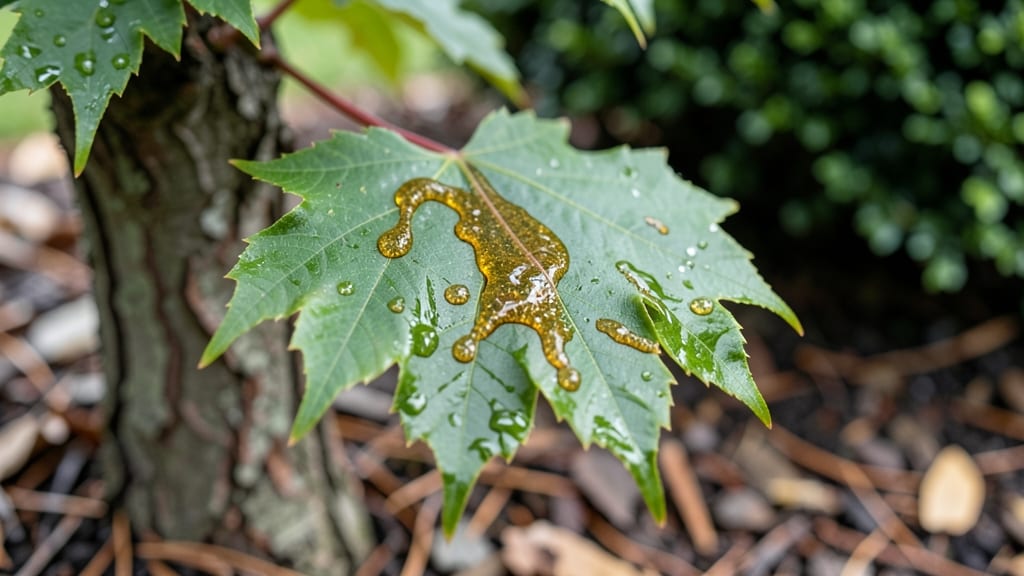
When your trees and shrubs look like they're being sucked dry by aphids or scale, Ferti-Lome Tree and Shrub Systemic Insect Drench becomes your secret weapon. 🌿 I've used it to rescue stressed plants that were covered in sticky residue and wilting leaves—it works when spot treatments fail.
The key is getting it into the plant's system so pests can't survive. This drench targets sap-sucking insects by moving through the plant's vascular system, killing pests from the inside out. You'll need protective gear (gloves, goggles), a hose-end sprayer or pump sprayer, and a calm day for application—no wind.
The active ingredients (imidacloprid or dinotefuran) spread throughout the plant, providing protection for weeks. After application, you'll notice pests dying within days, and new growth emerges cleaner and healthier.
The best time to treat is early spring before pests arrive, but you can also use it mid-season when infestations flare up. Just avoid treating flowering plants if bees are active—they shouldn't harm pollinators, but it's safer to wait.
Works on over 100 types of trees and shrubs, including fruit trees, roses, and evergreens. For stubborn infestations, repeat treatments every 4-6 weeks. Safety first: keep kids and pets away until dry, and always follow label instructions to avoid harming beneficial insects.
📚 In This Guide
- What you need
- Instructions
- Tips and common mistakes
- Wrapping up and next steps
What you need
- ● Ferti-Lome Tree and Shrub Systemic Insect Drench – 1 gallon concentrate (covers ~250 sq. ft. or ~25 trees/shrubs; check label for exact dilution rates).
- ● Water source – Hose with adjustable nozzle (or a 5-gallon bucket for smaller applications).
- ● Measuring cup or spray bottle – For precise dilution (e.g., 1.5 oz. concentrate per gallon of water, as directed).
- ● Protective gear – Nitrile gloves, long sleeves, and safety goggles (to avoid skin/eye contact).
- ○ Spray wand or hose-end sprayer – For even distribution (optional but recommended for large plants).
- ● Pruning shears or loppers – To trim severely infested branches (post-treatment, if needed).
- ● Label or marker – To tag treated plants and track application dates.
- ● Surfactant – 1 tsp per gallon (e.g., Dyne-Amic) to improve adhesion on waxy leaves.
- ● Systemic booster – Hydrogen peroxide (3%) (1 tbsp/gallon) to enhance uptake.
- ● Reusable spray bottle – For spot-treating small or delicate plants.
- ● Plant food (balanced fertilizer) – To apply 2–4 weeks post-treatment (e.g., 10-10-10 NPK).
How to apply Ferti-lome Tree and shrub systemic insect drench effectively
Here's the straightforward method I've used to protect mature trees and shrubs from stubborn pests like aphids, scale, and spider mites.
🪴 Step 1: Prepare Your Application Area
Start by clearing the base of your tree or shrub of any debris, mulch, or weeds within a 3-foot radius. This prevents the drench from being diluted or blocked from reaching the root zone where it needs to work. I like to use a stiff broom or leaf blower for this—it's faster than raking and keeps the area clean.
Check the soil moisture first. If it's bone-dry, water the area lightly until the top 6 inches of soil feels damp but not soggy. The drench works best when the roots can absorb it immediately, so don't apply it to thirsty soil. You'll know it's ready when a handful of dirt crumbles easily when squeezed.
💧 Step 2: Mix and Apply the Drench
Follow the label instructions precisely for your specific product concentration—typically 1-2 tablespoons per gallon of water for most trees and shrubs. I always mix in a clean watering can or pump sprayer to ensure even distribution. Stir thoroughly until fully dissolved; you should see no streaks or clumps remaining in the water.
For established trees, pour the mixture directly into the soil at the drip line (where the outermost branches extend downward). Use a small watering wand to gently spread it evenly across the root zone. For shrubs, water the soil around the base until it's thoroughly saturated to a depth of 6-12 inches. You'll see the moisture disappear into the soil as it's absorbed.
⏰ Step 3: Water In and Monitor
After applying, water the area again with plain water to help move the drench deeper into the soil. This second watering should be enough to moisten the soil to 12 inches deep. I use a rain gauge or trowel to check—if the soil at that depth feels dry, keep watering until it's evenly damp.
Systemic products like Ferti-Lome take 7-14 days to fully translocate through the plant. During this time, watch for new growth or pest activity. You'll know it's working when you see existing pests start to die off or new leaves emerge without visible damage. Reapply every 4-6 weeks during active pest seasons for continuous protection.
☀️ Step 4: Preventative Maintenance
To maximize effectiveness, apply the drench in early spring before pests become active, and again in late summer when sap-suckers often reappear. I set calendar reminders because timing is everything—catching pests early prevents them from establishing colonies that are harder to control.
Combine this treatment with regular inspections of your plants. Look for sticky residue (honeydew) on leaves or ants trailing up stems—both signs of sap-sucking pests. If you spot these early, the systemic drench will be more effective. Keep a spray bottle of neem oil handy for spot treatments on visible infestations while the drench works its way through the plant.
Tips & tricks for perfect Tree and shrub pest defense
These practical insights will help you get the most out of your systemic insect drench application—saving time and ensuring your plants stay healthy.
Soil Prep is Everything: In Step 1, when clearing that 3-foot radius, don't just remove visible debris—break up any compacted soil with a garden fork. Compacted soil creates barriers that prevent the drench from reaching the roots where it needs to work. I've seen applications fail completely because the soil was too hard for the solution to penetrate. After clearing, lightly rake the surface to create tiny channels that help the drench soak in evenly.
Mixing Precision Matters: When preparing your 1-2 tablespoons per gallon solution in Step 2, use a clean measuring spoon and a dedicated container—never reuse one that held other chemicals or fertilizers. Residuals can interfere with the drench's effectiveness. Stir for at least 30 seconds until you can't see any particles settling at the bottom. This ensures an even distribution that works throughout the entire root system.
Targeting the Root Zone: For Step 2's application, focus on creating a donut-shaped wet area around the base of your plant rather than pouring directly at the trunk. The drench needs to reach lateral roots, which extend outward. Use your watering wand to create concentric circles moving away from the trunk. For shrubs, water in a spiral pattern starting from the outer edges and working inward—this mimics natural rainfall patterns and prevents runoff.
Monitoring Made Simple: During the 7-14 day waiting period in Step 3, set a reminder to check your plants every 3-4 days. Look for subtle signs like new growth appearing on previously affected areas or existing pests starting to die off. I keep a small notebook near my garden tools to record observations—this helps me track patterns and adjust my treatment schedule. If you notice ants on your plants, they're often attracted to honeydew from sap-sucking pests, which means the drench is working its way through the system.
Pro Tips for Ferti Lome Tree And Shrub Systemic Insect Drench
- These practical insights will help you get the most out of your systemic insect drench application—saving time and en...
- Soil Prep is Everything: In Step 1, when clearing that 3-foot radius, don't just remove visible debris—break up any c...
- Mixing Precision Matters: When preparing your 1-2 tablespoons per gallon solution in Step 2, use a clean measuring sp...
Frequently asked questions
When is the best time to apply this drench?
The ideal time is early spring (before pests appear) or late summer (to protect overwintering pests). For severe infestations, apply immediately—just water the soil thoroughly first to help the systemic move through the roots. Avoid applying during extreme heat or drought, as it can stress plants.
How long does protection last after application?
Protection typically lasts 4–6 weeks, depending on weather and pest pressure. For long-term defense, reapply as needed, especially before peak pest seasons. Pro tip: Monitor your plants regularly—if you spot new damage, it’s time for another treatment!
Can I use this on all trees and shrubs?
This drench is safe for most ornamental trees and shrubs, but always check the label for specific plants to avoid. Avoid using on edible crops (like fruit trees) unless labeled for food plants. For edibles, opt for organic or food-safe alternatives.
What if pests return after treatment?
If pests persist, they may be resistant or the application was incomplete. Try these fixes:
- Reapply the drench, ensuring even soil saturation.
- Combine with physical controls (like pruning infested branches).
- Check for secondary pests (e.g., ants farming aphids).
Do I need to water after applying?
Yes!
Water the soil before and after application to help the systemic insecticide move through the roots. Aim for 1–2 inches of water per application. Avoid overwatering, though—just keep the soil evenly moist for best absorption.
Wrapping up and next steps
Protecting your trees and shrubs from sap-sucking pests doesn’t have to be a battle—it’s about strategy!
With Ferti-Lome Tree and Shrub Systemic Insect Drench, you’ve got a powerful, targeted solution that works from the inside out. 🌿✨ Whether you're dealing with aphids, scale, or spider mites, this drench delivers long-lasting relief while keeping your plants thriving.
Ready to take action? Start by assessing your plants—identify the pests, gather your supplies, and follow the step-by-step guide to apply the drench with confidence. Your greenery (and your peace of mind) will thank you!