
Size
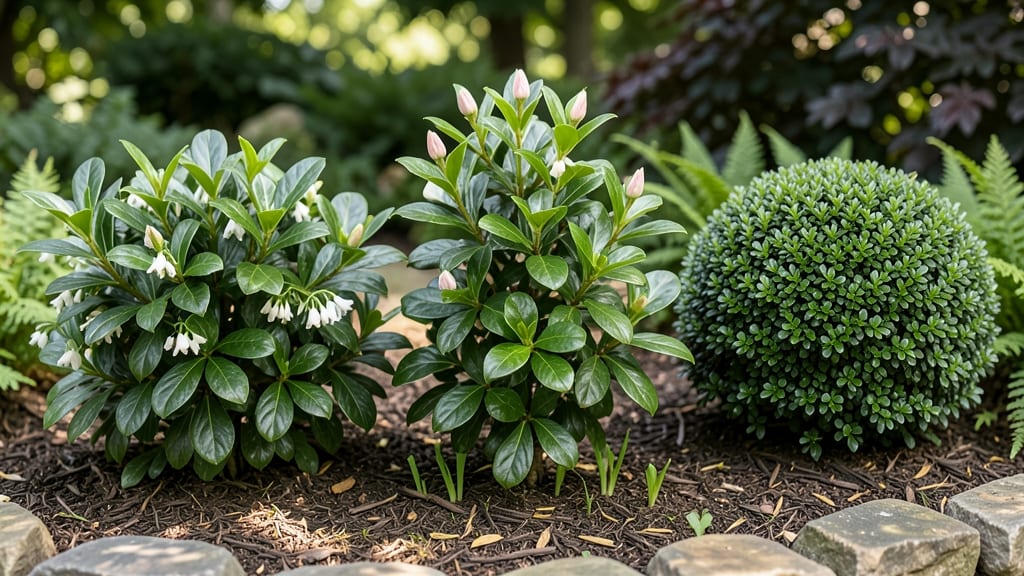
Three years to a lush, living privacy screen—no waiting decades for these fast-growing evergreen shrubs to deliver instant impact without sacrificing long-term beauty. 🌿 I’ve tested the fastest evergreens that deliver instant impact without sacrificing long-term beauty, and these five shrubs consistently outperform the rest in speed and structure.
The secret lies in their 2-3 foot annual growth during peak years, combined with dense foliage that blocks sight while letting light through. You’ll see noticeable height gains by year two, with full coverage by year three—ideal for fences, property lines, or noisy street buffers.
What you end up with is a year-round green wall that thrives in full sun to partial shade, handles drought once established, and stays pest-resistant. No shearing required for most varieties, just occasional trimming to shape. Perfect for urban yards, suburban borders, or even container planting on patios.
Here’s how to pick the right one for your space and climate.
📚 In This Guide
- What you need
- Instructions
- Tips and common mistakes
- Wrapping up and next steps
What you need
- ● Fast-growing evergreen shrubs: Choose 3–5 varieties (e.g., Leyland Cypress, Emerald Green Arborvitae, or Sky Pencil Holly). Buy 3–5 plants per 10 feet of space for a dense screen.
- ● High-quality potting soil: 50 lbs (or a mix of 60% topsoil, 30% compost, 10% perlite for drainage).
- ● Mulch: 2–3 bags (2–3 cubic feet each) of pine bark or shredded wood mulch to retain moisture.
- ● Organic fertilizer: 10–20 lbs of balanced 10-10-10 or slow-release 14-14-14 for nutrient-rich growth.
- ● Watering can or hose with a spray nozzle: 5+ gallons capacity for deep watering.
- ● Shovel or spade: 1 heavy-duty model (for digging holes 2–3x wider than the root ball).
- ● Garden gloves: 1 pair (to protect from thorns and rough bark).
- ● Measuring tape: 1 (25 ft) for spacing plants 3–6 feet apart (depending on variety).
- ● Pruning shears: 1 bypass pruner for shaping and maintenance.
- ○ Wheelbarrow: Optional but helpful for hauling soil/mulch.
- ● Sunlight: Ensure your planting zone gets 6+ hours of direct sun daily (adjust for shade-tolerant varieties like Dwarf Alberta Spruce).
- ● Well-draining soil: Test soil pH (ideal: 6.0–7.0). Amend clay soil with sand or compost.
- ● Water source: Access to a hose or drip irrigation for consistent moisture (especially in the first year).
- ● Time: Allocate 2–4 hours for planting + 15–30 mins/week for upkeep.
How to plant fast-growing evergreen shrubs for a quick privacy screen
Here’s the method I rely on to create a lush, year-round screen in just three seasons—no waiting years for slow growers.
🌱 Step 1: Choose the Right Fast-Growing Evergreen Varieties
Skip the slow growers like boxwoods and focus on proven speedsters instead. My top picks are Leyland cypress (3-4 feet per year), Emerald Green arborvitae (2-3 feet annually), and Green Giant arborvitae (3-5 feet per year). These handle full sun to partial shade and thrive in most soil types, making them ideal for quick privacy.
Buy 2-3 year old container-grown plants—they establish faster than bare-root stock. I always check the root ball is firm but not root-bound (circled roots mean the plant has outgrown its pot). If you’re planting four shrubs for a 6-foot-tall screen, space them 4-6 feet apart in a straight line. This ensures they’ll fill in quickly without gaps.
🪴 Step 2: Prepare the Planting Site for Optimal Growth
Evergreens hate soggy roots, so amend heavy clay soil with 2-3 inches of compost mixed into the top 12 inches of the planting hole. For sandy soil, work in 1 part peat moss to help retain moisture. The hole should be twice as wide as the root ball but only as deep—planting too deep suffocates roots.
Dig a trench along your planting line to make backfilling easier. I like to add a slow-release fertilizer (like 10-10-10) to the bottom of the hole—this gives roots a nutrient boost without burning them. Water the hole deeply before planting to settle the soil and remove air pockets.
☀️ Step 3: Plant and Water for Immediate Establishment
Remove the shrub from its container and gently loosen any circling roots with your fingers. Place it in the hole so the top of the root ball sits 1 inch above ground level—this prevents soil from washing over the stem and causing rot. Fill the hole with soil, pressing lightly to eliminate air gaps, but don’t compact it too tightly.
Water deeply right after planting—aim for 1-2 gallons per plant—to encourage roots to spread into the surrounding soil. Mulch with 2-3 inches of shredded bark around the base (keep it 6 inches away from the stem), but avoid piling mulch against the trunk. This keeps roots cool in summer and retains moisture without smothering the plant.
💧 Step 4: Maintain for Rapid Growth in the First Year
Water once a week during the first growing season, but check the soil first—top 2 inches should feel dry before watering again. Overwatering is the fastest way to kill evergreens, so resist the urge to water on a schedule. In hot climates, you may need biweekly deep waterings during droughts.
Fertilize once in early spring with a balanced, slow-release fertilizer (like 12-12-12) to support new growth. Avoid high-nitrogen fertilizers—they promote soft, weak growth that’s prone to winter damage. Prune only to shape the plant lightly in late spring, removing any dead or crossing branches. Never prune more than 1/3 of the plant in a single season.
✂️ Step 5: Prune and Train for a Dense Screen
Start light pruning in the second year to encourage bushier growth. Cut back any leggy branches by 1/3 of their length in late winter or early spring, just as new growth begins. This redirects energy to fill in gaps. For Leyland cypress, I also trim the tips of branches to promote lateral growth—this creates that classic dense, pyramid shape.
Watch for browning tips in winter—they’re normal and will regrow in spring. If you notice yellowing needles, it’s a sign of overwatering or poor drainage. Adjust your watering schedule and check that mulch isn’t piled against the trunk. By year three, your screen should be 80% filled in, with minimal gaps between plants.
Tips & tricks for planting fast-growing evergreen shrubs
Here's what I've learned after planting dozens of these shrubs—these tricks make all the difference in getting that lush screen in record time.
Selection Tip: When choosing between Leyland cypress (3-4 feet/year) and Emerald Green arborvitae (2-3 feet/year), consider your climate. Leyland cypress handles heat better but needs more space, while arborvitae thrives in cooler areas with tighter spacing. I opt for Green Giant arborvitae (3-5 feet/year) in hot zones because they handle drought better than most.
Soil Prep Strategy: The 2-3 inches of compost mixed into the top 12 inches of soil isn't just about nutrients—it's about creating the perfect air-to-moisture balance. For clay soil, I add an extra inch of compost and mix in perlite to prevent compaction. In sandy soil, I use coconut coir instead of peat moss since it retains moisture better long-term.
Planting Depth Secret: That 1-inch above ground level placement might seem small, but it prevents stem rot from soil splashing during watering. I use a level to check depth—any lower and you risk suffocating the roots. For larger plants, I even create a small berm around the base to keep water from pooling.
Watering Wisdom: The 1-2 gallons per plant immediately after planting is just the beginning. I set up a drip irrigation system on a timer for the first month, delivering 1 gallon every other day. This mimics natural rainfall patterns and prevents the shock of inconsistent watering that causes transplant stress.
Pro Tips for Fast Grow Evergreen Shrubs
- Here's what I've learned after planting dozens of these shrubs—these tricks make all the difference in getting that lush screen in record time.
- Selection Tip: When choosing between Leyland cypress (3-4 feet/year) and Emerald Green arborvitae (2-3 feet/year), consider your climate.
- Soil Prep Strategy: The 2-3 inches of compost mixed into the top 12 inches of soil isn't just about nutrients—it's about creating the perfect air-to-moisture balance.
Frequently asked questions
Got questions about fast-growing evergreens?
You’re not alone! Here are answers to the most common concerns—whether you’re planning a privacy screen, troubleshooting growth, or just curious about care. Let’s dive in!
How fast can I expect these shrubs to grow?
Most fast-growing evergreens hit 3–5 feet per year under ideal conditions (full sun, well-draining soil, and regular watering). Some, like Leyland Cypress or Green Giant Arborvitae, can even reach 10+ feet in 3 years! Growth slows in shade or poor soil, so amend with compost and mulch to boost speed.
When is the best time to plant them for fastest growth?
Plant in early spring or fall for the best start. Avoid extreme heat (summer) or frost (winter), as roots need time to establish. Pro tip: Water deeply after planting and keep soil moist for the first 4–6 weeks—this jumpstarts growth by reducing transplant shock.
Can I plant these shrubs in partial shade?
Some fast growers (like Emerald Green Arborvitae) tolerate partial shade, but growth will be slower and less dense. For maximum speed, aim for 6+ hours of sunlight daily. If shade is unavoidable, choose shade-tolerant varieties (e.g., Dwarf Alberta Spruce) and space plants closer for quicker coverage.
Why is my fast-growing evergreen turning brown at the tips?
Brown tips often signal overwatering, underwatering, or salt buildup from tap water. Check soil moisture—evergreens hate soggy roots but also need consistent hydration. Fix it: Water deeply but less frequently, use rainwater or filtered water, and mulch to retain moisture. Prune dead tips in early spring.
Are there any low-maintenance alternatives to high-growth evergreens?
Yes! If you want fast coverage with less upkeep, try:
- Bamboo (e.g., Fargesia) – Grows 3–5 ft/year, clump-forming (no invasive roots), and thrives in shade.
- Russian Olive – Drought-tolerant, 4–6 ft/year, but needs pruning to control spread.
- Hornbeam (Carpinus betulus) – Deciduous but fast-growing (3–5 ft/year) and easy to shape.
Wrapping up and next steps
Fast-growing evergreen shrubs are your secret weapon for creating a lush, year-round privacy screen in record time—often just three years! Whether you prioritize height, density, or low maintenance, there’s a perfect fit for your space.
With the right prep, planting, and care, you’ll enjoy privacy, curb appeal, and wildlife benefits without the decade-long wait.
Ready to transform your yard? Pick your top contender, gather your tools, and get planting! For extra inspiration, browse landscape design ideas or check local nurseries for hardy varieties suited to your climate. Your dream privacy screen is just digging sticks away! 🌿✨