
Shrubs
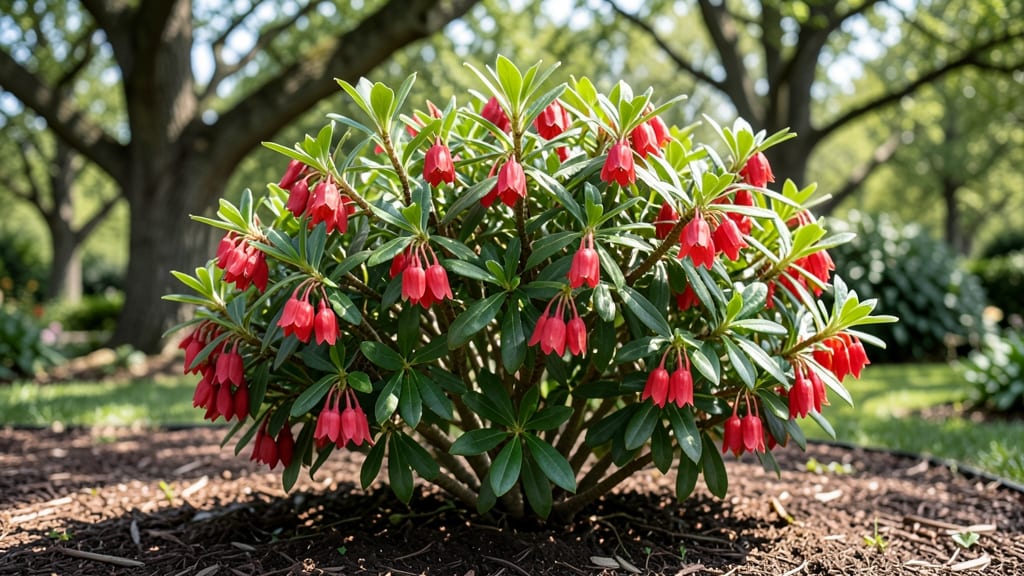
Evergreen shrubs with red flowers steal the show year-round, turning gardens into vibrant canvases that never fade. 🌿 I remember the first time I spotted a Pieris japonica in full bloom—its deep red clusters against evergreen foliage felt like a living painting.
These plants aren’t just pretty; they’re the backbone of gardens that pop from winter to fall, especially when placed near entryways or along pathways where their bold color draws the eye.
The magic happens in how they contrast: dark green leaves make red blooms pop, while lighter foliage creates a softer, more romantic look. Pair them with silver-leaved plants like lamb’s ear or dusty miller for a striking visual punch.
For borders, Rhododendron ‘Nova Zembla’ adds height and drama, while lower-growing Andromeda polifolia frames pathways beautifully. The key is layering textures—needle-like foliage against smooth bark or grassy clumps—to create depth. What you’ll end up with is a garden that feels alive in every season.
Imagine winter’s quiet beauty with Skimmia japonica berries glowing red, or spring’s first blush of Camellia sasanqua flowers. These shrubs thrive in partial shade, making them perfect for understory planting or as focal points near patios where you can enjoy their fragrance up close.
Works for any garden style—modern, cottage, or woodland—just play with placement. Start with one bold specimen, then build around it for maximum impact. Here’s how to make them shine!
📚 In This Guide
- What you need
- Instructions
- Tips and common mistakes
- Wrapping up and next steps
What you need
- ● Evergreen shrubs with red flowers: Choose from varieties like Rhododendron, Pieris japonica, Viburnum, or Camellia. (Quantity: 3–5 plants for a balanced look, depending on garden size.)
- ● High-quality potting soil: 2–3 bags (1–2 cubic feet each), amended with compost for drainage.
- ● Organic mulch: 1–2 bags (2–3 cubic feet), such as pine bark or shredded leaves.
- ● Slow-release fertilizer: 1 bag (20–25 lbs), formulated for acid-loving plants (pH 4.5–6.0).
- ● Garden trowel or spade: For digging holes (12–18 inches wide/deep).
- ● Pruning shears: (Bypass type, sharp and sterilized) for shaping and maintenance.
- ● Garden hose with spray nozzle: For watering and rinsing tools.
- ● Measuring tape or ruler: To ensure proper spacing (3–6 feet apart, depending on shrub maturity).
- ○ Gloves (optional but recommended): Heavy-duty for handling soil and thorns.
- ● Soil pH test kit: To confirm acidity before planting.
- ● Mulch fabric: For weed suppression under shrubs.
- ● Epsom salt: (1 lb) for magnesium boost in clay soils.
- ● Decorative stones or edging: To define plant beds and enhance aesthetics.
How to select and plant evergreen shrubs with striking red flowers
Here's the straightforward approach I use to create bold, year-round color—no guesswork, just proven results.
🌱 Step 1: Choose the Right Evergreen Shrubs for Your Climate
Start with hardy evergreens that thrive in your USDA zone. My top picks are Pieris japonica (with its bell-shaped red flowers), Rhododendron 'Nova Zembla' (deep red blooms), and Andromeda polifolia (compact and drought-tolerant). Check the plant tag for your zone range—planting outside these limits guarantees poor growth or winter dieback.
Look for healthy, vibrant green foliage with no yellowing or brown patches. The leaves should feel firm, not mushy. If the shrub is already in bloom, that’s a great sign—it means it’s mature and ready to thrive. Avoid plants with flower buds that look dried out or shriveled, as they won’t rebloom well.
🪴 Step 2: Prepare the Planting Site for Optimal Growth
Evergreen shrubs with red flowers need well-draining, acidic soil (pH 4.5-6.0). If your soil is heavy clay, amend it with 2-3 inches of organic matter (like peat moss or compost) mixed into the top 12 inches of soil. Test your soil’s pH with a kit—if it’s alkaline, add elemental sulfur to lower it gradually.
Choose a spot with morning sun and afternoon shade—too much direct sun can scorch leaves, while too little light reduces flowering. Dig a hole twice as wide as the root ball but only as deep as the container’s height. Loosen the roots gently if they’re circling—this encourages outward growth instead of struggling to break free.
☀️ Step 3: Plant and Mulch for Year-Round Color
Place the shrub in the hole so the top of the root ball sits level with the ground—burying too deep suffocates roots, while planting too high leaves gaps that dry out. Backfill with native soil, tamping lightly to remove air pockets. Water deeply to settle the soil and eliminate gaps.
Spread 2-3 inches of mulch (pine bark or shredded leaves) over the root zone, keeping it 6 inches away from the stem to prevent rot. Mulch retains moisture and regulates soil temperature, which is critical for evergreens. Water again after mulching to help it settle and protect roots during dry spells.
💧 Step 4: Water and Fertilize for Vibrant Blooms
Water once a week (or more in extreme heat) until the top 6 inches of soil feels moist. Evergreens hate soggy roots but also struggle in drought—aim for consistent moisture, not soggy soil. Reduce watering in winter unless temperatures drop below 20°F, when roots need extra protection.
Fertilize in early spring with an acid-loving plant fertilizer (like 10-10-10 or rhododendron-specific blend). Apply half the recommended dose—too much fertilizer burns roots and reduces flowering. Repeat in late summer to encourage next year’s buds. Avoid fertilizing in fall or winter when growth slows.
✂️ Step 5: Prune and Maintain for Long-Term Beauty
Prune right after flowering (late spring) to shape the shrub and remove dead or crossing branches. Use clean, sharp shears and cut just above a leaf bud—never leave stubs. For Pieris japonica, avoid heavy pruning, as it blooms on old wood. For Rhododendron, you can trim lightly to open up the center for better airflow.
Watch for aphids or spider mites on new growth—spray with neem oil if you spot sticky residue or webbing. Evergreens are tough but not indestructible—thin, leggy growth signals too much shade, while yellowing leaves mean overwatering or poor drainage. Adjust care based on what you observe, not just the calendar.
Tips & tricks for perfect evergreen shrubs with striking red flowers
These simple strategies will help you create a vibrant, low-maintenance garden that pops with year-round color.
Selection Tip: When choosing your shrubs, pay special attention to the flower buds—they should be firm and plump, not dried out. I've learned the hard way that shrubs with shriveled buds often struggle to rebloom. Also, look for new growth at the tips of branches—this indicates the plant is healthy and will continue to thrive after planting.
Soil Prep Strategy: The 2-3 inches of organic matter mixed into the top 12 inches of soil is non-negotiable for these acid-loving plants. I've found that using a mix of peat moss and compost gives the best results—peat moss helps maintain acidity while compost provides essential nutrients. If your soil is particularly alkaline, consider adding a bit of elemental sulfur a few months before planting to gradually adjust the pH.
Planting Depth: Getting the planting depth right is crucial—burying too deep suffocates roots while planting too high creates gaps that dry out. I always check by placing the shrub in the hole and ensuring the top of the root ball sits level with the ground. For container-grown plants, this is especially important since they're often grown slightly deeper in pots than they'll be in the ground.
Winter Care: When temperatures drop below 20°F, your evergreens need extra protection. I've found that adding a thick layer of mulch (4-6 inches) around the base helps insulate roots. For particularly harsh winters, you can also wrap young shrubs with burlap or frost cloth—just make sure to remove it in early spring to prevent overheating.
Pro Tips for Evergreen Shrubs Red Flowers
- These simple strategies will help you create a vibrant, low-maintenance garden that pops with year-round color.
- Selection Tip: When choosing your shrubs, pay special attention to the flower buds—they should be firm and plump, not dried out.
- Soil Prep Strategy: The 2-3 inches of organic matter mixed into the top 12 inches of soil is non-negotiable for these acid-loving plants.
Frequently asked questions
Got questions about adding evergreen shrubs with red flowers to your landscape? You’re not alone!
Here are answers to the most common queries—from planting tips to care hacks—to help you choose and grow these stunning plants with confidence.
What’s the easiest evergreen shrub with red flowers for beginners?
Start with Pieris japonica (Andromeda) or Rhododendron varieties like ‘Nova Zembla.’ Both are hardy, disease-resistant, and thrive in partial shade. Ilex verticillata (Winterberry Holly) is another great pick—just remember it needs a male pollinator for berries! Pro tip: Check your USDA zone to match the shrub’s hardiness.
When is the best time to plant these shrubs for year-round red blooms?
Plant in early spring or fall (4–6 weeks before frost) for the best root establishment. Avoid extreme heat or cold. If planting in containers, do it anytime the ground isn’t frozen. Why? Cooler temps reduce stress, helping shrubs focus on root growth instead of flowering—so you’ll see more vibrant blooms next season!
Why aren’t my red-flowering evergreens blooming as much as expected?
Common culprits:
- Poor sunlight: Most need partial shade (4–6 hours of sun). Too much shade? Trim nearby trees.
- Over- or under-watering: Keep soil consistently moist but not soggy. Evergreens hate “wet feet.”
- Nutrient deficiency: Feed with acidic fertilizer (like 10-10-10) in early spring.
- Age or stress: Young shrubs may take 2–3 years to bloom. Prune lightly after flowering to encourage new growth.
Can I grow these shrubs in containers, or do they need garden beds?
Yes! Many evergreens with red flowers thrive in containers, like Daphne odora or Camellia varieties. Use a well-draining pot (at least 18” wide) with peat-based or acidic soil. Place in partial shade and water regularly—containers dry out faster! Bonus: Move pots to a sheltered spot in winter to protect from frost.
What are some red-flowering evergreen alternatives if my climate is too hot/dry?
If your area is Zone 7+ with dry heat, try these drought-tolerant picks:
- Cistus ‘Firefly’: Semi-evergreen with fiery red blooms and silvery foliage.
- Callistemon ‘Little John’: Compact bottlebrush with year-round interest.
- Viburnum suspensum: Fragrant red flowers and glossy leaves; handles heat well.
Wrapping up and next steps
Transforming your landscape with evergreen shrubs that boast stunning red flowers is a game-changer—adding vibrant contrast, year-round interest, and low-maintenance beauty to any garden. Whether you love bold Hydrangea blooms or delicate Rhododendron clusters, these plants bring drama and resilience to your outdoor space. 🌿✨
Ready to elevate your garden? Start by selecting the perfect shrub for your climate and soil, then plant with confidence! Dig in, experiment, and enjoy the rewards of your hard work—a garden that thrives and delights all year long.
- Next step: Sketch a simple layout or browse local nurseries to find your favorite red-flowering evergreen!