
Diseases
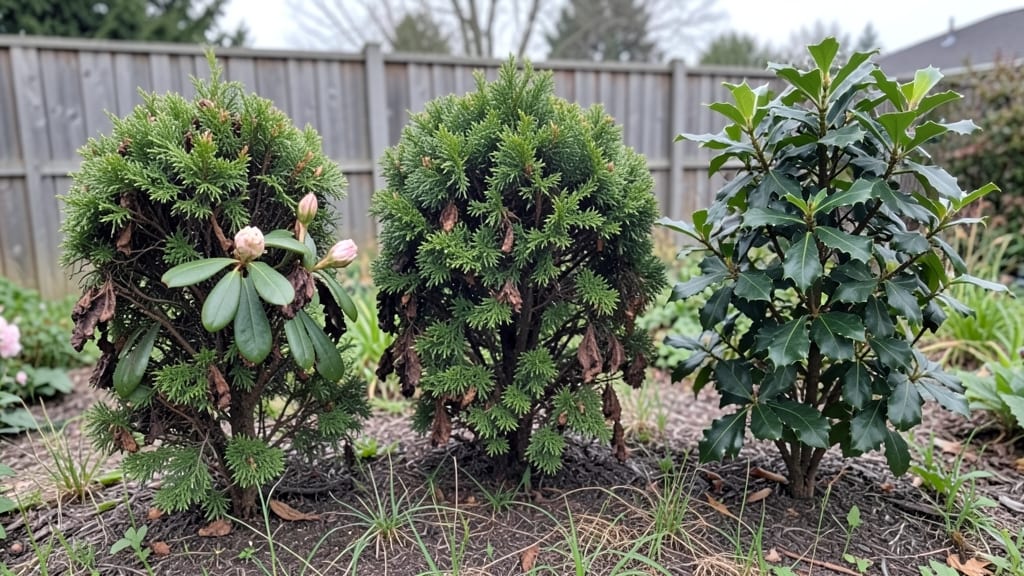
Identifying evergreen shrub diseases early—with these evergreen shrub diseases pictures—can save your landscape from irreversible damage. 🌿 I’ve seen healthy shrubs turn brown and brittle overnight—until I learned to recognize the subtle signs before they spiral out of control.
The key is knowing what to look for: discolored needles, oozing cankers, or fungal growths that look like cotton or mold.
Most problems start with moisture—too much rain, poor drainage, or overhead watering creates the perfect breeding ground. Fungal infections like needle blight or root rot thrive in damp conditions, while bacterial issues often show up as sticky, dark spots.
The good news? Many can be prevented with simple adjustments like spacing plants for airflow or using fungicides at the first sign of trouble.
You’ll learn to diagnose issues by leaf texture, stem appearance, and even the time of year symptoms appear. A few minutes of inspection now could mean years of healthy growth. Think of it as a health check—catching problems early is always easier than treating a full-blown crisis.
This guide covers the most common threats to boxwoods, junipers, and other evergreens, with practical steps to keep them thriving. Whether you’re dealing with a single plant or an entire hedge, these strategies will help you act fast and protect your investment.
Root Causes Behind Shrub Ailments
Understanding why evergreen shrubs fall victim to diseases is the first step in prevention—and early detection! These hardy plants may seem resilient, but they’re not immune to environmental stressors, pathogens, or poor care practices.
Below, we break down the key triggers behind common evergreen shrub diseases, explained in simple, actionable terms.
Fungi thrive in damp, stagnant conditions, and evergreens—especially those with dense foliage—create the perfect microclimate for spores to take hold. Here’s why fungi become a problem:
- 💦 Overwatering or Poor Drainage Evergreens like boxwoods, junipers, and rhododendrons hate soggy roots.
When soil stays waterlogged for days (or weeks), fungal pathogens like Phytophthora (root rot) or Botrytis (gray mold) latch onto weak spots. Why? Fungi release enzymes that break down cell walls, turning healthy roots into a buffet. Actionable fix: Amend soil with compost or perlite to improve drainage, and water only when the top 1–2 inches of soil are dry.
- 🍃 Dense, Wet Foliage Needles or leaves that stay damp for prolonged periods (e.g., from overhead watering or shade) create ideal conditions for Rhizoctonia (a soil-borne fungus) or Cylindrocladium (a leaf spot culprit). Why? Fungal spores splash onto surfaces and germinate in humidity above 70%. Actionable fix: Water at the base in the morning, avoid mulching too close to stems, and prune for airflow.
- 🌡️ Temperature Swings Sudden shifts—like cold nights followed by warm, humid days—stress shrubs, lowering their defenses. Why? Stress hormones (like ethylene) weaken cell walls, making plants more susceptible to Septoria or Anthracnose fungi. Actionable fix: Mulch with pine straw or shredded bark to moderate soil temps, and avoid planting evergreens in low-lying areas where cold air pools.
Bacteria are often overlooked, but they can wreak havoc faster than fungi. These single-celled pathogens exploit wounds or stress to multiply, causing oozing cankers, wilting, or leaf scorch.
- 🔪 Physical Damage from Pruning or Pests Cuts made with dirty tools or pest bites (like spider mites) create entry points for Pseudomonas syringae (bacterial leaf spot) or Xylella fastidiosa (Pierce’s disease). Why? Bacteria hitchhike on sap, colonizing xylem vessels and clogging water transport. Actionable fix: Sterilize pruners with 70% isopropyl alcohol between cuts, and treat pest infestations immediately.
- 🌧️ Rain or Windborne Spread Bacteria like Erwinia amylovora (fire blight) spread via splashing water or wind. Why? They produce slimy biofilms that protect them from drying out. Actionable fix: Space shrubs to improve airflow, and avoid watering during windy conditions.
- 🌿 Nutrient Imbalances Over-fertilizing (especially with high nitrogen) or deficient micronutrients (like manganese or boron) weaken shrubs, making them prime targets for bacterial infections. Why? Imbalanced pH or salt buildup disrupts root function, inviting pathogens. Actionable fix: Test soil annually and use slow-release, organic fertilizers (like fish emulsion) in moderation.
Pests don’t just damage leaves—they open doors for diseases. For example:
- 🐜 Spider mites puncture cells, creating wounds for Botrytis to infect.
- 🐜 Scale insects excrete honeydew, fostering sooty mold (a fungal growth).
- 🐜 Bark beetles introduce blue-stain fungi into stressed trees.
Why it matters: A single pest outbreak can turn a minor fungal issue into a full-blown epidemic. Actionable fix: Monitor shrubs regularly for pests, and use horticultural oil or neem oil as a preventative barrier.
Even the healthiest shrubs can succumb to diseases when their environment shifts:
- 🌪️ Poor Air Circulation Tightly packed shrubs or those planted near walls/fences trap humidity, ideal for Phytophthora or Armillaria (shelf fungus). Fix: Prune for an open canopy and space plants 3–5 feet apart.
- 🌞 Inadequate Sunlight Shade-loving evergreens (like pieris) may develop Powdery Mildew if they don’t get enough light. Why? Low light reduces chlorophyll, weakening the plant’s immune response. Fix: Ensure partial shade shrubs get at least 3–4 hours of dappled sunlight.
- 🏗️ Soil Compaction or Contamination Construction debris, old mulch, or compacted soil harbor dormant pathogens. Why? Disturbed roots can’t absorb water/nutrients, making shrubs more vulnerable. Fix: Aerate soil annually and replace contaminated mulch with fresh, sterile options.
Healthy shrubs resist diseases. Focus on: ✅ Proper spacing (3–5 feet apart for airflow). ✅ Targeted watering (base only, no overhead). ✅ Regular inspections (check undersides of leaves and stems weekly).
By addressing these root causes, you’ll turn your evergreens into disease-resistant powerhouses! 🌿💪
How to Treat and Prevent Shrub Diseases
When your evergreen shrubs show signs of disease, quick action can save them—and your garden’s beauty. Below are practical, step-by-step solutions tailored to common fungal and bacterial threats, along with prevention tips to keep your shrubs thriving. Think of this as your disease-fighting toolkit—no green thumb required!
Fungal infections like powdery mildew, root rot, and needle blight thrive in damp conditions. Here’s how to stop the spread and restore health:
1.
Powdery Mildew: Scrub and Spray 🔥 Cause: White, powdery coating on leaves (often from poor airflow or overhead watering). 🍳 Fix It: - Prune infected branches (sterilize shears with rubbing alcohol between cuts). - Wipe leaves with a neem oil solution (1 tbsp neem oil + 1 tsp mild soap per quart of water). - Improve airflow by thinning dense foliage or spacing shrubs 2–3 feet apart. 💡 Prevent It: Water early in the day so leaves dry quickly.
Avoid nitrogen-heavy fertilizers, which encourage soft, mildew-prone growth.
2.
Root Rot: Drain and Disinfect 👨🍳 Cause: Yellowing leaves, mushy stems, or foul-smelling soil (from overwatering or poor drainage). 🥘 Fix It: - Stop watering immediately and let soil dry out. - Repot or amend soil with perlite or sand to improve drainage. - Remove infected roots (healthy roots are firm; rotten roots are dark and mushy). - Apply a fungicide (like copper fungicide) to the soil if rot persists. ✨ Prevent It: Use well-draining soil (mix in compost + coarse sand) and raise garden beds if drainage is poor.
3.
Needle Blight: Prune and Fungicide 🔪 Cause: Dark, sunken spots on needles (common in junipers and pines). 🌡️ Fix It: - Remove and destroy infected needles/branches (do not compost them). - Apply a fungicide (e.g., chlorothalonil or myclobutanil) every 2–3 weeks until symptoms fade. - Water at the base (avoid wetting foliage) and mulch to reduce soil splashes. 🎯 Prevent It: Space shrubs for air circulation and sanitize pruners after each cut.
Bacteria like leaf spot or canker spread fast. Isolation and copper-based treatments are your best defense.
1.
Leaf Spot: Cut and Copper Spray 🔥 Cause: Dark, greasy spots with yellow halos (from splashing water or contaminated tools). 🍳 Fix It: - Prune infected leaves and sterilize tools with 70% isopropyl alcohol. - Spray with copper fungicide (follow label rates) every 7–10 days. - Avoid overhead watering; use drip irrigation instead. 💡 Prevent It: Water in the morning so leaves dry by evening. Clean up fallen leaves promptly.
2.
Canker: Surgical Pruning and Copper 👨🍳 Cause: Sunken, oozing sores on stems/branches (often from wounds or wet foliage). 🥘 Fix It: - Cut out cankered areas 6 inches below the lesion (healthy wood should be green inside). - Seal pruning cuts with pruning sealant (optional but helps prevent reinfection). - Apply copper fungicide to the wound and surrounding area. ✨ Prevent It: Avoid wounding shrubs (e.g., don’t use string trimmers too close). Space shrubs to reduce humidity.
Even after treatment, proactive care keeps shrubs strong. Follow this year-round plan:
| Season | Task | Why It Works |
|---|---|---|
| Spring | Prune before new growth starts | Removes overwintering pathogens. |
| Summer | Mulch 2–3 inches deep | Regulates soil moisture and temp. |
| Fall | Rake up debris | Prevents fungal spores from surviving. |
| Winter | Inspect for damage | Catches early signs before spring growth. |
💡 Pro Tip: Rotate fungicides if diseases recur—don’t use the same product repeatedly to avoid resistance.
Remember: Most shrub diseases are manageable with early action. Act fast, sterilize tools, and keep conditions unfavorable for pathogens (good airflow, proper watering, clean workspace). Your evergreens will thank you with lush, disease-free foliage for years!
Frequently asked questions
How can I tell if my evergreen shrub has a fungal disease just by looking?
Look for white powdery coatings (powdery mildew), dark sunken spots on needles (needle blight), or cottony growths (Botrytis). Fungal issues often appear on the undersides of leaves first, where moisture lingers. Compare your shrub to the evergreen shrub diseases pictures in our guide—most fungal problems show up as fuzzy, mold-like textures or discoloration.
Can I use regular household vinegar to treat bacterial infections on my shrubs?
No, plain vinegar won’t work—it’s too weak and can harm plant tissues. For bacterial issues like leaf spot or canker, use a copper fungicide (like copper sulfate) diluted to the label’s strength. The copper disrupts bacterial cell walls without damaging your shrubs when applied correctly. Always test a small area first.
Why does my boxwood keep getting brown patches even after I prune the affected areas?
Boxwoods are prone to volutella blight, a fungal disease that survives in old wood and mulch. Pruning alone won’t eliminate it—you must sterilize tools between cuts and remove all infected debris (don’t compost it). Apply a myclobutanil-based fungicide every 3 weeks during wet seasons to break the fungal cycle. Poor airflow from dense planting also worsens the problem.
Is it safe to plant new evergreens near ones that had diseases last year?
Not without precautions! Fungal spores and bacterial pathogens can linger in soil for years. First, remove all plant debris and solarize the soil (cover with clear plastic for 4–6 weeks in summer heat). Then, amend the soil with fresh compost and plant new shrubs in a different location with improved drainage. Avoid planting the same species in the same spot.
How often should I inspect my evergreen shrubs for early signs of disease?
Check your shrubs every 2–4 weeks during growing seasons (spring through fall), focusing on new growth and undersides of leaves. Early detection is key—catching powdery mildew or needle blight before it spreads saves your shrubs. In winter, do a quick monthly inspection for damage from frost or pests, which can invite diseases when spring arrives.