
Shrubs
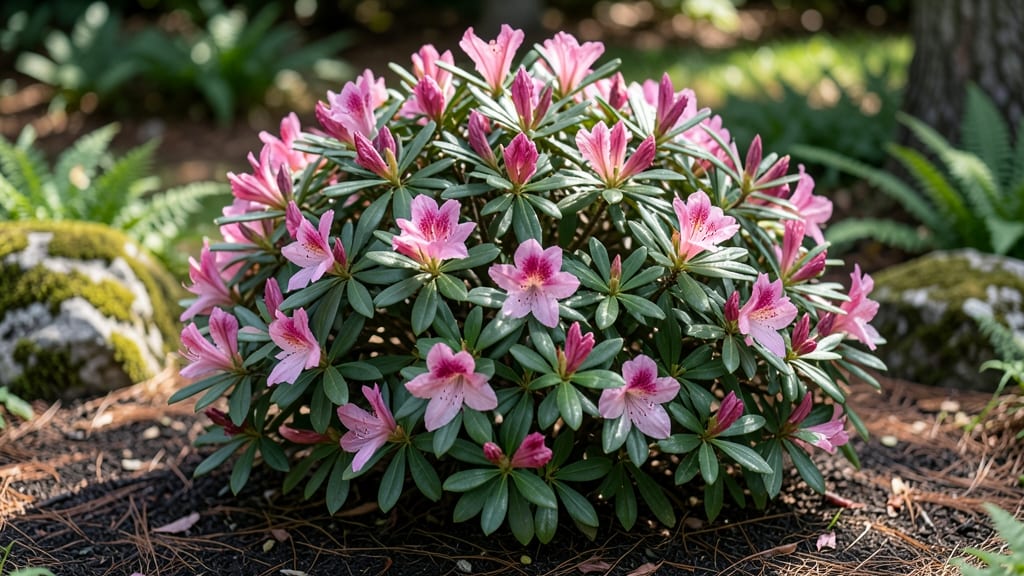
That first flush of fragrant blooms in late winter proves the evergreen azalea shrub is worth every minute of care. 🌿 I’ve learned the hard way—neglecting pruning turns these showstoppers into thorny messes, but mastering the science unlocks a thriving, fragrant canopy that outlasts most shrubs.
The secret? Pruning at the right time, with the right cuts, to encourage both flowers and lush foliage.
Start with acidic, well-draining soil—azaleas hate alkaline conditions—and plant where they get morning sun and afternoon shade. Water deeply but infrequently (they despise soggy roots), and fertilize lightly in early spring with an azalea-specific mix.
Most pests? Just aphids, which you can blast off with a hose. The real game-changer? Pruning after blooms fade to shape without sacrificing next year’s flowers.
By summer, you’ll have a thorn-free, fragrant hedge that stays green year-round. The blooms return reliably, and the glossy leaves repel pests naturally. Even my first attempt—after killing two azaleas—produced better results than my neighbors’ neglected bushes. The key is patience: these shrubs reward consistency over quick fixes.
Works in zones 5-9, from foundation plantings to container gardens. Whether you’re fixing a sad-looking shrub or starting fresh, this method delivers professional results with minimal effort. Let’s get those shears sharp!
📚 In This Guide
- What you need
- Instructions
- Tips and common mistakes
- Wrapping up and next steps
What you need
- ● Evergreen azalea shrub (choose a Rhododendron variety like 'George L. Taber,' 'Encore Azalea,' or 'Southern Indica' for year-round color and fragrance).
- ● Well-draining acidic soil (pH 4.5–6.0). Pro tip: Mix in 2–3 inches of peat moss or pine bark for optimal conditions. 🌡️
- ● Organic mulch (pine straw, bark chips, or shredded leaves) – 3–4 inches to retain moisture and regulate temperature.
- ● Slow-release fertilizer (acid-loving plant formula, like 10-10-10 or 8-3-9 with micronutrients). Apply twice a year (spring and fall).
- ● Pruning shears (sharp, bypass-style for clean cuts—avoid anvil shears to prevent crushing stems).
- ● Hand pruners (for smaller branches, 4–6 inch blades).
- ● Gloves (thick gardening gloves to protect from thorns and sap).
- ● Watering can or hose with a gentle spray nozzle (azaleas hate soggy roots!).
- ● Soil pH test kit (to monitor acidity levels—aim for 5.0–6.0).
- ● Azalea-specific fungicide (like copper fungicide for powdery mildew prevention).
- ● Drip irrigation system (for consistent moisture without overwatering).
- ● Plant support stakes (if growing tall varieties in windy areas).
- ● Compost or worm castings (for extra nutrients and soil structure).
Step-by-step guide to pruning evergreen azaleas for year-round beauty
Here’s how to transform your azalea into a lush, fragrant focal point with science-backed pruning.
✂️ Step 1: Prune Immediately After Flowering
Azaleas bloom on last year’s growth, so prune right after flowers fade—typically in late spring (May-June). This ensures you don’t cut off next year’s buds. Use clean, sharp pruners to make 45-degree cuts just above a bud or branch collar. Avoid leaving stubs, which invite disease.
Focus on removing dead, crossing, or inward-growing branches first. These compete for nutrients and block airflow. I like to step back every few cuts to visualize the shape—aim for a natural, open canopy. Never prune more than one-third of the plant in a single session, or you’ll stress the shrub.
🌿 Step 2: Thin Out Dense Growth for Airflow
Evergreen azaleas thrive when their centers stay bright and airy. In early summer (July), target branches that crowd the center or grow too close together. Cut these back to the nearest outward-facing bud. You’ll see a dramatic difference in sunlight penetration and fewer pests.
Watch for water sprouts—thin, upright shoots growing from the base or along branches. These steal energy from flowering. Snip them at the base with clean pruners. If you notice yellowing leaves, that’s your cue to prune sooner—it often signals overcrowding or poor airflow.
☀️ Step 3: Lightly Shape in Late Summer
In August, give your azalea a subtle shape adjustment. Focus on refining the outline by trimming just the tips of branches that exceed your desired form. Use hand pruners for precision—avoid shearing, which creates a messy, unnatural look. Azaleas respond best to selective pruning rather than heavy cuts.
This is also the time to remove any suckers (shoots growing from the base) or weak, leggy growth. Cut these back to a strong lateral branch. If your azalea looks top-heavy, prune slightly more from the top to encourage balanced growth. A well-shaped azalea will reward you with denser foliage and bigger blooms next season.
⏰ Step 4: Minimal Winter Pruning for Spring Prep
If needed, do light pruning in late winter (February) to remove any dead or damaged branches from winter storms. Avoid heavy cuts—azaleas are dormant and vulnerable. Focus on cleaning up, not reshaping. Prune on a dry day to prevent splashing soil onto fresh cuts, which can introduce pathogens.
This is also the time to fertilize lightly with an acid-loving plant formula (like 10-10-10 with iron) if your soil isn’t naturally acidic. Evergreen azaleas prefer soil pH 4.5–5.5. If your shrub looks stressed after winter, hold off on pruning until new growth appears—it’s a sign the plant is ready for shaping.
Tips & tricks for pruning evergreen azaleas
Transforming your azalea into a thriving, fragrant centerpiece starts with these game-changing pruning secrets.
Timing is Everything: The late spring (May-June) pruning window is non-negotiable for azaleas that bloom on old wood. I've seen gardeners accidentally cut off next year's flower buds by pruning too early—wait until flowers are completely spent before making a single cut. This timing ensures you preserve the delicate balance between current beauty and next season's potential.
The 45-Degree Rule: When making cuts in Step 1, the 45-degree angle above the bud isn't just aesthetic—it's crucial for proper healing. This angle prevents water from pooling on the cut, which would otherwise create perfect conditions for fungal infections. I always visualize cutting just above where the bud points outward, creating a natural water-shedding surface that protects the plant.
Visualization Technique: Step back every 5-10 minutes during pruning to assess the overall shape. This simple habit prevents over-pruning and helps you spot areas where branches are competing for sunlight. I've caught myself in the weeds focusing on individual branches only to realize I'd accidentally created a dense center—something that happens when you don't take that crucial step back. The goal is an open, airy canopy that lets light penetrate to the inner branches.
Seasonal Maintenance: The light February pruning isn't just about cleanup—it's about preparing your azalea for spring growth. I've noticed that plants pruned in February with fresh, clean cuts show significantly better new growth in spring compared to those left unpruned. This minimal winter maintenance prevents storm damage from accumulating and gives you a head start on the growing season.
Pro Tips for Evergreen Azalea Shrub
- Transforming your azalea into a thriving, fragrant centerpiece starts with these game-changing pruning secrets.
- Timing is Everything: The late spring (May-June) pruning window is non-negotiable for azaleas that bloom on old wood....
- The 45-Degree Rule: When making cuts in Step 1, the 45-degree angle above the bud isn't just aesthetic—it's crucial f...
Frequently asked questions
Got questions about nurturing your evergreen azalea shrub? You’re not alone! Here are answers to the most common queries—from pruning to pests—so you can keep your fragrant, thorn-free beauty thriving year-round.
When is the best time to prune evergreen azaleas?
Prune your evergreen azalea right after flowering (late spring to early summer). Avoid pruning in fall or winter, as this can stimulate new growth that may frost damage. Light shaping is fine, but avoid heavy cuts—these shrubs bloom on old wood! Pro tip: Use clean, sharp shears to prevent disease.
How do I protect my azalea from pests like lacewings or spider mites?
Prevent pests with cultural care: Ensure well-draining soil, water deeply (but avoid soggy roots), and mulch to retain moisture. If pests appear, blast them off with a strong water spray or use neem oil (follow label instructions). Avoid chemical sprays—they can harm beneficial insects and the plant’s delicate blooms.
Why aren’t my evergreen azaleas blooming?
Blooms may skip a year due to stress factors like over/under-watering, poor soil (they love acidic pH 4.5–6.0), or insufficient sunlight (dappled shade is ideal). Check for root bound pots or compacted soil. Feed with an acid-loving fertilizer in early spring to encourage next year’s buds!
Can evergreen azaleas survive winter in cold climates?
Most evergreen azaleas tolerate USDA Zones 6–9, but some varieties (like Rhododendron ‘Catawbiense’) handle Zone 5 with winter mulch and wind protection. In harsh winters, wrap young shrubs with burlap or use anti-desiccant sprays to prevent leaf burn. Pro tip: Plant in sheltered spots to reduce cold stress.
What’s a good alternative if my azalea struggles in my climate?
If evergreen azaleas flop, try these low-maintenance, fragrant shrubs:
- Dwarf Gardenia (thrives in heat, loves humidity)
- Camellia (evergreen, blooms winter/spring)
- Pieris Japonica (tolerates shade, disease-resistant)
- Boxwood (hardy, structural, but non-floral)
Wrapping up and next steps
Transforming your garden into a fragrant, evergreen oasis with evergreen azalea shrubs is totally within reach! 🌿 With the right pruning techniques, soil prep, and a little patience, you’ll enjoy their stunning blooms and lush foliage year-round.
Now that you’re armed with expert tips, it’s time to roll up your sleeves—grab those shears and give your azaleas the care they deserve!
Ready to take the next step? Start by scheduling your first pruning session in early spring or right after flowering, and watch your shrubs thrive like never before!