
Aphids
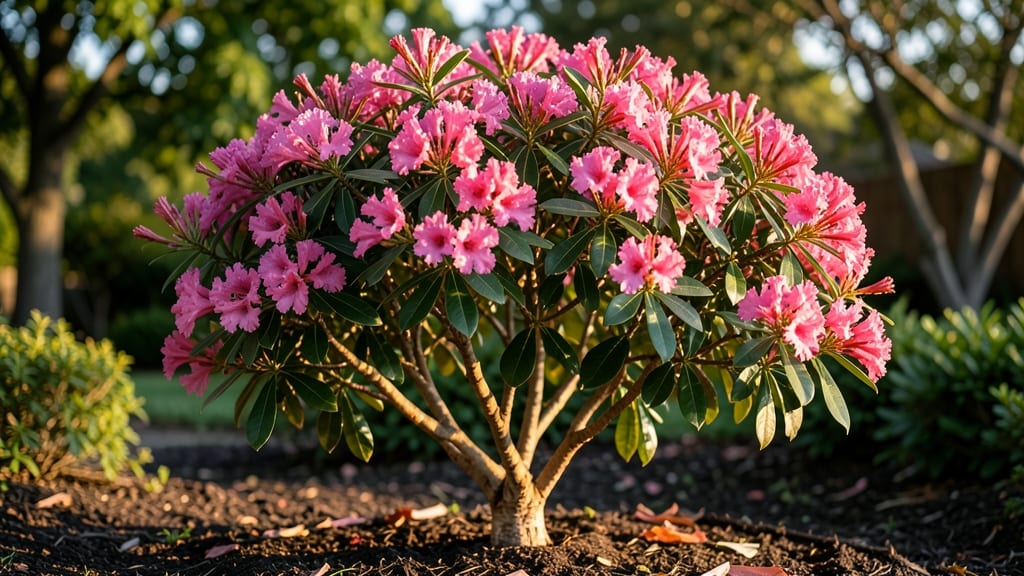
"Dynamite" crape myrtle isn't just a shrub—it's a bold statement in your landscape. 🌿 With its striking lavender-pink blooms and compact growth, this variety thrives where others struggle, especially in hot, dry climates. The secret? Its natural resistance to aphids (thanks to that citrusy scent) and its ability to handle poor soil like a champ. Planting is simple: full sun, well-draining soil, and 3-5 feet of space between shrubs. Water deeply after planting, then let the roots establish before cutting back on moisture. Prune in late winter to shape it and encourage fresh growth—just avoid heavy cuts, or you’ll sacrifice next year’s flowers. By summer, you’ll have a nearly maintenance-free shrub bursting with color, while repelling pests naturally. The foliage stays glossy green all season, and even in winter, the bark adds texture to bare branches. Perfect for small gardens, urban landscapes, or as a focal point in borders. Once established, it’s drought-tolerant, low-maintenance, and impossible to ignore. Here’s how to make it thrive in your yard.
📚 In This Guide
- What you need
- Instructions
- Tips and common mistakes
- Wrapping up and next steps
What you need
- ● 1 cup dried crape myrtle leaves (harvested from organic, pesticide-free plants)
- ● 1 orange (preferably organic, with peel for extra potency)
- ● 1 lemon (organic, juiced and sliced)
- ● 4 cups water (filtered or distilled for best results)
- ● 2 tbsp raw honey or organic sugar (as a natural preservative)
- ○ 1 tsp vegetable glycerin (optional but recommended) (helps the spray adhere to leaves)
- ● Mortar and pestle (or a strong blender) (for crushing leaves)
- ● Fine-mesh strainer or cheesecloth (to filter the mixture)
- ● Spray bottle (16 oz or larger) (glass or BPA-free plastic preferred)
- ● Measuring cups and spoons (for precision)
- ● Stove or microwave-safe bowl (for heating the infusion)
- ● Access to organic crape myrtle leaves (or a trusted supplier—avoid chemically treated plants!)
- ● Time to let the mixture steep for 24 hours (patience is key!)
- ● Gloves and safety glasses (if handling citrus peels or heating the mixture)
Step-by-Step guide to growing and maintaining a thriving Dynamite Crape Myrtle
Here's how to cultivate this standout shrub with bold blooms and natural pest resistance.
🌱 Step 1: Choose and Prepare the Planting Site
The Dynamite Crape Myrtle thrives in full sun—select a location with at least 6-8 hours of direct sunlight daily. This variety handles heat exceptionally well, making it perfect for southern climates or hot, dry spots in the landscape. Before planting, test your soil's drainage by digging a 12-inch deep hole and filling it with water. If it doesn't drain within 4-6 hours, amend the soil with 2-3 inches of coarse sand or gravel to prevent root rot.
This shrub tolerates a range of soil types but performs best in well-draining, slightly acidic to neutral soil (pH 6.0-7.0). If your soil is heavy clay, mix in 2-3 inches of compost to improve texture and fertility. Avoid planting in low-lying areas where water pools after rain—Dynamite Crape Myrtles hate soggy roots.
🪴 Step 2: Plant with Proper Spacing and Support
Dig a hole twice as wide as the root ball but only as deep as the container's root base. Gently remove the plant from its container and loosen any circling roots with your fingers. Place the shrub in the hole so the top of the root ball sits level with the surrounding soil—burying the trunk too deep invites disease. Backfill with native soil, tamping lightly every 2-3 inches to eliminate air pockets.
Space Dynamite Crape Myrtles 6-10 feet apart for mature size, allowing room for their striking multi-trunk growth habit. Immediately after planting, water deeply to settle the soil and encourage root expansion. Add a 3-inch layer of mulch (like pine straw or shredded bark) around the base, keeping it 3-4 inches away from the trunk to prevent rot. This mulch layer helps retain moisture while protecting roots from temperature swings.
☀️ Step 3: Water and Fertilize for Vibrant Growth
Water deeply once per week during the first growing season, soaking the soil to a depth of 12-18 inches. You'll know you've watered enough when the soil feels moist 6 inches down—use a screwdriver to check if unsure. Once established (after 1-2 years), this drought-tolerant shrub only needs watering every 2-3 weeks, unless experiencing extreme heat. Overwatering causes leaf yellowing and weak stems, so always let the top 2-3 inches of soil dry out before watering again.
Feed with a balanced, slow-release fertilizer (10-10-10) in early spring, applying ½ cup per plant. Avoid high-nitrogen fertilizers—they promote lush foliage at the expense of showstopping summer blooms. In late summer, switch to a low-nitrogen, high-phosphorus formula (5-10-10) to encourage fall flowering. Always water the soil thoroughly 24 hours before and after fertilizing to prevent root burn.
✂️ Step 4: Prune for Health and Spectacular Blooms
Prune Dynamite Crape Myrtles in late winter or early spring (before new growth begins) to remove dead, diseased, or crossing branches. Use clean, sharp pruners to make cuts just above outward-facing buds. Never "top" the shrub by cutting the main stems—this creates weak, leggy growth. Instead, focus on thinning out crowded branches to improve airflow and reduce pest issues.
After flowering, remove spent blooms by cutting back to the first set of healthy leaves below the flower cluster. This encourages prolonged blooming and prevents seed formation, which diverts energy from new growth. If your shrub grows too large, prune back no more than ⅓ of the plant in one season—Dynamite Crape Myrtles rebound beautifully when pruned correctly. Always sterilize your tools with rubbing alcohol between cuts to prevent spreading disease.
💧 Step 5: Monitor for Pests and Maintain Year-Round Care
This variety earns its name by naturally repelling aphids and other common pests thanks to its citrusy fragrance. However, watch for scale insects or spider mites—signs include sticky residue (honeydew) or webbing on leaves. Treat early infestations by hosing down the plant with water or applying neem oil spray in the evening. For severe cases, use insecticidal soap, but avoid chemical pesticides that harm beneficial insects.
In winter, protect young plants from freezing temperatures below 10°F by wrapping the base with burlap or frost cloth. Mature Dynamite Crape Myrtles handle cold well but may benefit from a 3-inch layer of mulch to insulate roots. Every 2-3 years, refresh the mulch layer to prevent compaction and maintain healthy soil structure. With proper care, this shrub delivers season-long color, minimal maintenance, and natural pest resistance—making it a garden superstar.**
Tips & tricks for perfect Dynamite Crape Myrtle care
Here's what I've learned from years of nurturing these stunning, low-maintenance shrubs—tricks that'll keep your Dynamite Crape Myrtle thriving and pest-free.
Sunlight Strategy: While 6-8 hours of sunlight is ideal, I've found that these shrubs actually perform best when planted in the western part of your yard. The intense afternoon sun there enhances their natural pest-repelling citrus oils. If planting in containers, rotate them every few weeks to ensure even sunlight exposure on all sides—this prevents lopsided growth and maximizes those aphid-deterring compounds.
Drainage Test Hack: That 4-6 hour drainage test in Step 1 is crucial, but here's a pro move: use a trowel to create small drainage channels around the hole before planting. These channels help direct water away from the roots, especially important in clay-heavy soils. I also add a handful of perlite to the backfill soil—it's a game-changer for preventing root rot while still maintaining that well-draining environment the shrubs love.
Fertilizer Timing: The 24-hour watering rule before and after fertilizing is non-negotiable, but I've discovered a timing secret for even better results. Apply your early spring 10-10-10 fertilizer when you notice the first flush of new growth in early April, not just "early spring" which can be vague. This precise timing ensures the nutrients align perfectly with the plant's natural growth cycle, giving you those vibrant summer blooms without the lush foliage at the expense of flowers.
Pruning Precision: When thinning crowded branches in Step 4, I always look for the "V" shape where branches meet. Make your cuts just outside that junction to encourage outward growth. This technique creates that beautiful multi-trunk habit while maintaining excellent airflow—critical for preventing those scale insects we want to avoid. And remember, those clean cuts above outward-facing buds? They're not just for looks—they help direct new growth patterns for a fuller shrub.
Pro Tips for Dynamite Crape Myrtle Shrub
- Here's what I've learned from years of nurturing these stunning, low-maintenance shrubs—tricks that'll keep your Dynamite Crape Myrtle thriving and pest-free.
- Sunlight Strategy: While 6-8 hours of sunlight is ideal, I've found that these shrubs actually perform best when planted in the western part of your yard.
- Drainage Test Hack: That 4-6 hour drainage test in Step 1 is crucial, but here's a pro move: use a trowel to create small drainage channels around the hole before planting.
Frequently asked questions
When is the best time to plant Dynamite Crape Myrtle?
Plant in early spring or fall when soil temps are mild (50–70°F). Avoid extreme heat or frost—roots need time to establish before summer’s intensity. Bare-root seedlings adapt fastest; container-grown shrubs can go year-round but thrive best in cooler seasons. Pro tip: Water deeply after planting to reduce transplant shock!
How quickly does it repel aphids after planting?
While Dynamite Crape Myrtle’s citrusy scent deters aphids, full protection takes 3–4 weeks as the plant matures. For immediate relief, pair it with neem oil sprays or introduce ladybugs. The shrub’s aphid-repelling compounds peak in late spring to summer—just in time for peak infestations!
Is Dynamite Crape Myrtle cold-hardy?
Yes! It tolerates USDA Zones 7–10, surviving temps down to 0°F with proper mulching. In colder zones, plant near south-facing walls or use winter blankets to shield young shrubs. Warning: Overwatering in winter can rot roots—let soil dry slightly between waterings.
Can I use other aphid-repelling plants instead?
Try catnip, fennel, or garlic chives—all aphid deterrents. However, Dynamite Crape Myrtle stands out for its dual benefits: vibrant blooms and pest control. For a low-maintenance combo, plant it with marigolds (they repel nematodes too!).
What if my shrub gets aphids despite the Dynamite Crape Myrtle?
Don’t panic! Aphids may target nearby plants first. Blast them off with a soapy water spray (1 tsp mild soap per quart of water) or introduce aphid-eating lacewings. If infestations persist, rotate with pyrethrin-based sprays (organic option) or prune heavily infested leaves. Remember: Healthy Dynamite Crape Myrtle = stronger natural defenses!
| Quick Troubleshooting Guide |
|---|
| Yellowing leaves? Overwatering or nutrient deficiency. Let soil dry between waterings and fertilize with citrus-specific food in spring. |
| No blooms? Prune in late winter to encourage new growth. Ensure full sun (6+ hours/day) and avoid heavy nitrogen fertilizer. |
| Pests other than aphids? Spider mites or whiteflies? Increase humidity with a light misting and introduce beneficial nematodes to the soil. |
Wrapping up and next steps
Transforming your garden into an aphid-free haven with the Dynamite Crape Myrtle Shrub is easier—and more rewarding—than you think! 🌿 This citrusy elixir not only shields your plants but also adds a burst of freshness to your outdoor space.
Whether you’re a seasoned gardener or just starting out, this natural remedy proves that simple ingredients can pack a powerful punch.
Ready to take action? Gather your supplies, mix up a batch, and spray your crape myrtles today! Your shrubs—and your peace of mind—will thank you. 🌟