
Shrubs
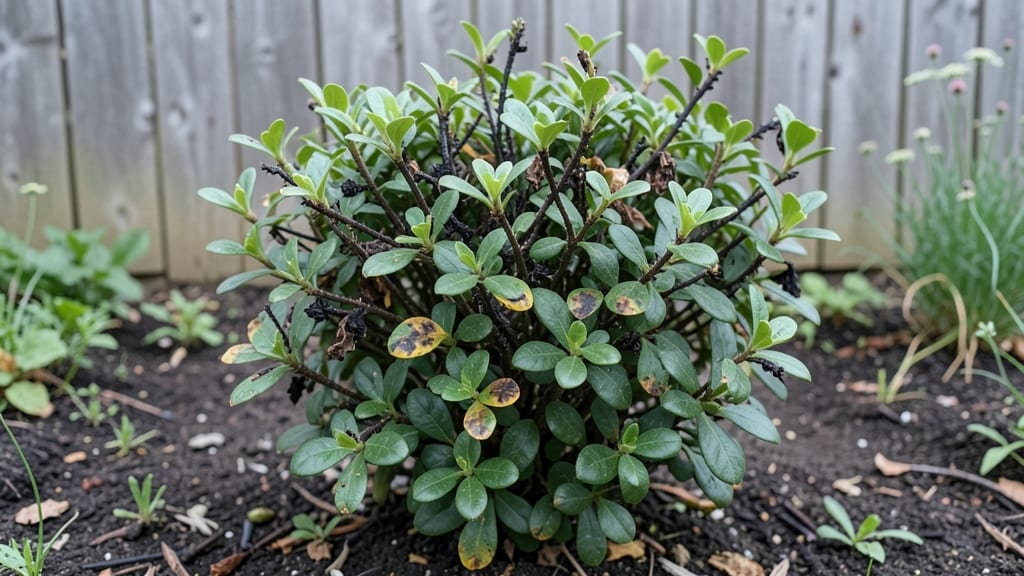
These diseased boxwood shrubs looked like they’d lost a battle with something unseen—until I realized it was box blight turning their leaves brown and brittle. 🌿 The good news?
Even heavily affected shrubs can bounce back with the right approach, and I’ve learned which treatments work fastest without harming your plants long-term.
Most diseases start with poor air circulation, overwatering, or old mulch pressing against stems. I’ve seen box blight spread in just two weeks if ignored, but pruning out infected branches early and spacing plants properly stops it in its tracks.
The key is acting before the fungus moves deeper into the wood.
You’ll revive your shrubs with copper fungicide sprays, neem oil treatments, and a strict watering schedule that keeps roots dry. Within a month, you’ll see fresh green growth pushing through—proof the damage isn’t permanent. The secret is consistency, not just one big treatment.
This works for both chemical and organic methods, and I’ll walk you through what to do if the disease keeps coming back. Your boxwoods can look lush again, but you’ve got to play the long game with care.
Root Causes Of Shrub Decline
Boxwood shrubs are prized for their lush, evergreen foliage and neat growth habits, but when they fall victim to disease, their decline can feel sudden and devastating. Understanding the why behind their deterioration is the first step toward effective treatment and prevention.
Below, we break down the most common culprits—from microscopic invaders to environmental stressors—that turn vibrant boxwoods into sad, wilted shadows of their former selves.
Fungal diseases are the #1 cause of boxwood decline, often creeping in unnoticed until significant damage is done. These pathogens thrive in moist, shaded conditions, making boxwoods—especially those planted too closely together—a prime target.
- Boxwood Blight (Calonectria pseudonaviculata) This aggressive fungus causes dark, greasy-looking spots on leaves, stems, and buds. It spreads rapidly via water splashes, tools, or infected plant debris. Why it happens: Overhead irrigation, dense plantings, and poor air circulation create the perfect storm for spores to land and germinate. Once established, the fungus can kill stems and entire shrubs within weeks if left untreated.
- Volutella Blight (Volutella buxi) A less aggressive but still destructive fungus, Volutella targets weakened boxwoods, often appearing as black streaks on stems and wilting foliage. Why it happens: Stress from drought, poor soil, or winter damage opens the door for this opportunistic pathogen. It’s especially problematic in overcrowded or poorly ventilated gardens.
- Root and Stem Rot (Phytophthora, Pythium, Armillaria) These soil-borne fungi attack roots and lower stems, causing yellowing leaves, stunted growth, and eventual collapse. Why it happens: Poor drainage, compacted soil, or excessive moisture (from overwatering or heavy clay soils) create anaerobic conditions where these fungi flourish. Armillaria root rot, in particular, spreads via fungal threads called rhizomorphs in the soil, making it nearly impossible to eradicate once established.
While fungi often steal the spotlight, insects can weaken boxwoods to the point of disease susceptibility or directly feed on their vital tissues.
- Boxwood Leafminer (Monarthropalpus buxi) These tiny, yellow larvae burrow between leaf layers, creating blistered, brown trails that stunt photosynthesis. Why it happens: Leafminers thrive in warm, dry conditions and are often introduced via infested nursery stock. Heavy infestations lead to premature leaf drop, leaving shrubs vulnerable to secondary fungal infections.
- Boxwood Psyllid (Psylla buxi) This sap-sucking insect causes yellow, curled leaves and sticky honeydew, which attracts sooty mold—a black fungal growth that further blocks sunlight. Why it happens: Psyllids are most active in spring and early summer and prefer young, tender growth. Overuse of broad-spectrum pesticides can disrupt natural predators, leading to outbreaks.
- Boxwood Mite (Eriophyes buxi) These microscopic pests cause stunted, distorted growth and bronze-colored leaves. Why it happens: Mites thrive in hot, dry conditions and are often spread via contaminated pruning tools or wind. Weakened plants are especially susceptible, as mites feed on cell sap, starving the shrub of nutrients.
Boxwoods are hardy, but they’re not indestructible. When environmental conditions veer outside their comfort zone, they become stressed and disease-prone.
- Poor Soil Drainage & Overwatering Boxwoods prefer well-draining, slightly acidic soil (pH 6.0–7.0). When planted in heavy clay or compacted soil, roots suffocate, leading to root rot and fungal infections. Why it happens: Overwatering—especially in shaded or low-lying areas—keeps soil saturated, creating the perfect breeding ground for Phytophthora and Pythium. Signs: Yellowing leaves, mushy stems, and a foul odor from the soil.
- Excessive Shade & Lack of Airflow Boxwoods tolerate partial shade but struggle in deep, dark shade, where fungal spores linger and humidity stays high. Why it happens: Dense plantings, tall trees, or improper spacing (less than 3–4 feet apart) restrict airflow, trapping moisture and spores against foliage. Result: Chronic fungal infections like boxwood blight or powdery mildew.
- Extreme Temperature Fluctuations Boxwoods are semi-evergreen, meaning they can handle some cold but suffer from rapid freeze-thaw cycles or late spring frosts. Why it happens: Winter desiccation (when winter winds dry out leaves faster than roots can replace moisture) causes brown, crispy edges. Meanwhile, heat stress in summer (above 90°F) weakens plants, making them more susceptible to pests and disease.
- Nutrient Deficiencies or Imbalances Boxwoods require balanced nutrition, particularly iron, nitrogen, and phosphorus. Why it happens:
- Iron deficiency (chlorosis): Yellow leaves with green veins occur in alkaline soil (pH > 7.0), where iron becomes unavailable.
- Nitrogen deficiency: Pale, yellowing leaves signal poor soil fertility, often from over-pruning without replenishment or compacted soil.
- Over-fertilization: Excess salt (from synthetic fertilizers) burns roots, leading to wilting and disease.
Sometimes, well-intentioned gardening habits accelerate decline by creating ideal conditions for disease.
- Improper Pruning Techniques Why it happens: Cutting too late in the season (after mid-summer) or using dull, contaminated tools spreads fungal spores. Shearing boxwoods too aggressively removes protective leaf layers, exposing stems to infection.
- Ignoring Sanitation Leaving infected leaves, clippings, or mulch around boxwoods provides a food source and shelter for fungi. Why it happens: Many gardeners assume "dead is dead," but diseased plant debris can harbor spores for years.
- Overhead Irrigation Watering from above splashes spores onto leaves, while drip irrigation or soaker hoses keep foliage dry. Why it happens: Morning watering (when leaves are dry by evening) reduces fungal risk, but evening watering leaves plants wet overnight, inviting infection.
Pro Tip: 💡 Most boxwood diseases start with stress. The key to prevention? Healthy plants in the right conditions—good airflow, proper watering, and regular soil checks. If your shrubs are already showing signs of trouble, act fast: identify the cause, remove infected parts, and adjust care habits before the problem spreads.
Revive Your Shrubs Step by Step
Reviving diseased boxwood shrubs starts with identifying the root cause—whether it’s fungal infections, pests, or environmental stress—and taking targeted action. Below, we break down practical solutions for each common issue, along with prevention tips to keep your shrubs thriving long-term.
Fix:
- 🔥 Prune Infected Areas
- Use sterilized pruners (wipe with rubbing alcohol between cuts) to remove all diseased leaves, stems, and branches—even if they’re just slightly discolored. Dispose of them in the trash (not compost) to prevent reinfection.
- ✂️ Pro Tip: Cut back to healthy green tissue (not brown or blackened wood) to encourage new growth.
- 🍳 Apply Fungicide - Spray with a copper-based fungicide (like Copper Soap) or a neem oil solution (1 tbsp neem oil + 1 tsp mild soap per quart of water).
Reapply every 7–10 days until new growth appears. - 🌡️ Timing Matters: Apply in the early morning or late afternoon to avoid burning leaves in direct sunlight.
- 🌧️ Improve Airflow & Drainage
- Thin out overgrown branches to reduce humidity (fungi love damp conditions).
- Ensure the soil is well-draining—amend heavy clay soil with compost or sand to prevent waterlogging.
💡 Prevention:
- Water at the base (avoid overhead sprinkling).
- Space shrubs 3–4 feet apart for better airflow.
- Mulch with 2–3 inches of organic mulch (like pine bark) to deter fungal spores.
Fix:
- 👨🍳 Blast Off Pests with Insecticidal Soap
- Mix 1.5 tbsp insecticidal soap (like Safer® Brand) with 1 gallon of water and spray thoroughly on both sides of leaves. Repeat every 5–7 days for 2–3 weeks.
- 🔪 For Severe Cases: Use horticultural oil (apply in early spring before new growth starts).
- 🕷️ Introduce Beneficial Insects
- Release lacewings or ladybugs (available at garden centers) to prey on mites and aphids naturally.
- 🌿 Strengthen Plant Health
- Fertilize lightly with a balanced, slow-release fertilizer (10-10-10) in early spring to boost immunity.
- 🎯 Pro Tip: Avoid high-nitrogen fertilizers—they encourage soft, pest-attracting growth.
💡 Prevention:
- Inspect plants weekly (especially undersides of leaves).
- Remove fallen leaves (pests hide in them over winter).
- Avoid overwatering—mites thrive in dry, dusty conditions.
Fix:
- 💧 Hydrate Deeply & Consistently
- Water deeply 1–2 times per week (depending on climate) to encourage deep root growth. Use a soaker hose for even moisture.
- ⏰ Best Time: Water early morning to reduce evaporation.
- 🌿 Adjust Light Exposure
- If leaves are yellowing or crispy, your boxwood may be getting too much sun. Provide light shade (especially in hot afternoons) with a cloth shade cloth (30–50%).
- 🌡️ For Cold Stress: Mulch heavily in winter (4–6 inches) to protect roots.
- 🥗 Amend the Soil
- Test soil pH (boxwoods prefer 6.0–7.0). If too acidic, add lime; if too alkaline, mix in peat moss or sulfur.
- 🍎 Boost Organic Matter: Work in 2–3 inches of compost annually to improve drainage and nutrient retention.
💡 Prevention:
- Group boxwoods with other shrubs for natural shade.
- Mulch annually to retain moisture and regulate soil temp.
- Avoid heavy pruning in extreme heat—stress weakens plants.
If your boxwood is beyond saving (e.g., 90% of the plant is dead or roots are rotted), it’s time to replace it.
- 🌱 Choose Resistant Varieties: Opt for ‘Green Velvet’ or ‘Winter Gem’ (more disease-resistant).
- 🌿 Plant in a New Location: Ensure full sun to partial shade and well-draining soil.
- 💡 Pro Tip: Space new plants 3–4 feet apart to prevent future fungal spread.
🎯 Key Takeaway: Most boxwood diseases are preventable with proper care, airflow, and early intervention. Start with pruning and fungicides, then adjust watering and soil—your shrubs will bounce back faster than you think! 🌿✨
Frequently asked questions
What are the first signs my boxwood shrubs might be diseased?
Watch for dark, greasy-looking spots on leaves or stems, yellowing foliage, or black streaks along branches—these often signal box blight or Volutella blight. Early symptoms also include wilting branches or premature leaf drop, especially if your shrubs were recently stressed by drought or poor airflow.
Can I save a boxwood shrub if more than half is dead?
It depends on the cause. If the damage is from fungal infection, prune out all diseased wood and treat with copper fungicide—healthy roots may still recover. However, if roots are rotted or the shrub is 90%+ dead, replacement is often better. Test soil drainage first to rule out root rot.
How often should I spray fungicide on infected boxwoods?
Apply a copper-based fungicide or neem oil solution every 7–10 days until new growth appears. Stop once you see 2–3 inches of fresh green leaves—overuse can harm beneficial microbes. Always spray in early morning or late afternoon to avoid leaf burn.
Will pruning help spread disease to other boxwoods?
Only if you don’t sterilize your tools! Always wipe pruners with rubbing alcohol between cuts and dispose of infected clippings in the trash (never compost). Cutting in dry weather also reduces spore spread—avoid pruning after rain.
Are there disease-resistant boxwood varieties I can plant instead?
Yes! Varieties like ‘Green Velvet’ or ‘Winter Gem’ are bred for better resistance. For existing shrubs, space them 3–4 feet apart and choose locations with good airflow to prevent future outbreaks. Always buy from reputable nurseries to avoid infected stock.