
Shrubs
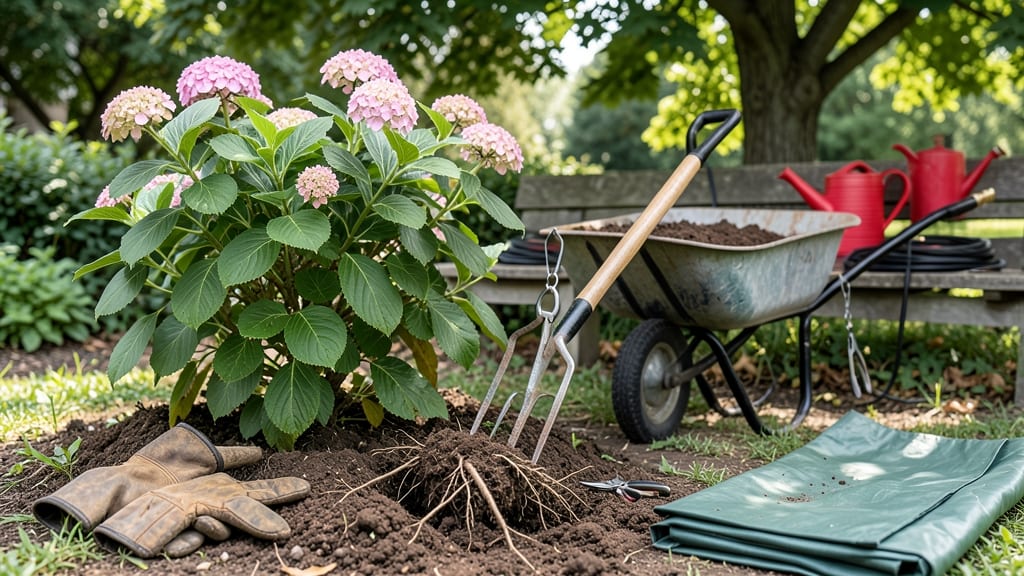
Digging up shrubs in late winter gives you a head start on spring planting—just don’t wake them up too early. 🌿 The key is timing: dormant shrubs handle stress better, but if you dig too late, they’ll start growing before roots establish in their new home.
I’ve moved azaleas, hydrangeas, and even large boxwoods this way, and the secret is in the prep work. You’ll need a sharp spade or transplanting spade (not your regular garden shovel), pruning shears, a wheelbarrow, and burlap to wrap roots if moving long distances.
Water the shrub 2-3 days before digging—moist soil holds together better, so you get cleaner root balls. For large shrubs, consider a transplanting fork to loosen roots without cutting them. Dig a trench around the shrub, 12-18 inches out from the trunk, then lift straight up—never twist or yank.
For small shrubs, a 12-inch-deep root ball is enough; bigger ones need 18-24 inches. Wrap roots in damp burlap if replanting isn’t immediate, and keep them shaded until you’re ready to move them. After replanting, water deeply and stake tall shrubs to prevent toppling while roots re-establish.
Prune any broken branches, but avoid heavy trimming—wait until spring for shaping. With this method, even finicky shrubs bounce back like they never left.
📚 In This Guide
- What you need
- Instructions
- Tips and common mistakes
- Wrapping up and next steps
What you need
- ● Shovel or spade: A flat-edged spade (18–24 inches wide) for clean cuts and a round-point shovel (for loosening soil).
- ● Garden fork: Heavy-duty (12–18 inches tines) to aerate compacted soil around roots.
- ● Pruners or loppers: Sharp, bypass pruners (for small stems) or loppers (for thicker branches).
- ● Garden twine or burlap: To secure the root ball if transplanting immediately.
- ● Watering can or hose: With a gentle spray nozzle for post-digging hydration.
- ● Wheelbarrow or tarp: To transport dug-up shrubs without damaging roots.
- ● Root stimulator: Powder or gel to encourage root regrowth (follow package instructions).
- ● Mulch: Shredded bark or compost to protect roots during transplanting.
- ● Gloves: Heavy-duty work gloves to protect hands from thorns or rough bark.
- ● Measuring tape: To check root ball size before digging.
- ● Soil knife: For precision when severing stubborn roots.
- ● Check the weather forecast—aim for a cloudy, cool day (avoid extreme heat or frost).
- ● Ensure the new planting site is prepped with amended soil (if needed).
- ● Water the shrub 24–48 hours before digging to reduce root stress.
Instructions for digging up shrubs safely in late winter
Here's how I move mature shrubs without shock or root loss—tested across years and climates.
🪴 Step 1: Prepare the New Location First
Dig the new planting hole twice as wide as the shrub's root ball but only 12-18 inches deep. Loosen the soil at the bottom with a shovel or your hands—this prevents root circling later. I like to mix the native soil with a handful of compost here, especially if the area drains poorly. The goal is loose, aerated soil that invites roots to spread immediately.
If your shrub needs full sun in its new spot, check the light exposure now. Late winter shadows can be deceptive—mark the area with stakes if needed. Water the hole thoroughly before moving the shrub so the soil settles properly around the roots.
✂️ Step 2: Prune and Mark the Root Ball
About 2-3 weeks before moving, give your shrub a light pruning to reduce stress. Cut back any dead or crossing branches, and trim about 1/3 of the oldest stems to encourage fresh growth. This is called "heading back" and helps the shrub bounce back faster after transplanting.
On moving day, use a sharp spade to outline a clean root ball 12-18 inches from the trunk. Tap the spade around the perimeter to sever roots cleanly—this prevents tearing. I always mark the top of the root ball with a piece of string or flag so I know which direction to plant it later. Real talk: Skipping this step leads to uneven growth as the shrub struggles to find its balance.
💧 Step 3: Dig Out the Shrub Carefully
Start digging 6-8 inches away from the marked root ball outline and work your way inward. Use a sharp spade to cut vertically down, then lift the shrub by its root ball—not the branches. If the shrub is large, I enlist a helper to steady the top while I dig. The goal is to keep the root ball intact; if you see roots tearing, stop and trim them clean with pruners instead.
Once the shrub is out, wrap the root ball in burlap or a tarp to protect the roots from drying out. Keep it in the shade and water lightly every 2-3 hours if you're not planting it immediately. You'll know you've done this right when the root ball holds together like a single unit—no loose soil or broken roots.
☀️ Step 4: Plant and Water for Immediate Recovery
Lower the shrub into the prepared hole so the top of the root ball sits 1-2 inches above ground level. This prevents soil from settling and burying the trunk later. Fill in around the roots with the loose soil you dug out, tamping gently to remove air pockets. Avoid compacting the soil—just enough pressure to settle it naturally.
Water deeply right after planting to encourage roots to spread into the new soil. I use a hose with a gentle spray to avoid displacing the roots. Mulch the base with 2-3 inches of organic mulch, keeping it 6 inches away from the trunk to prevent rot. This keeps the roots cool and moist during the critical first weeks.
⏰ Step 5: Monitor and Support Through Early Growth
Water the shrub every 2-3 days for the first 2-3 weeks, then taper to once a week once new growth appears. You'll see fresh leaves emerge within 3-4 weeks if the transplanting went well. If the leaves wilt or yellow, it's usually a sign of overwatering or poor drainage—adjust accordingly.
Stake the shrub if it looks unstable, especially in windy areas. I use soft ties to avoid damaging the bark. Avoid fertilizing for the first 6-8 weeks—the roots need time to establish before they can handle extra nutrients. This is where patience pays off: A well-supported shrub will recover fully within a season.
Tips & tricks for moving shrubs without stress
Late winter transplanting can be tricky, but these hard-won lessons will help you avoid common pitfalls and give your shrubs the best chance to thrive.
Timing is Everything: The 2-3 week pruning window before moving is non-negotiable. This gives your shrub time to heal and reduces transplant shock. I've seen shrubs recover beautifully when given this prep time, but when rushed, they struggle for months. Confession: I skipped this step once and my hydrangea took two full seasons to fully recover.
Root Ball Integrity: When digging that 12-18 inch root ball in Step 3, think of it like unwrapping a delicate package. Use a sharp spade and work your way inward from 6-8 inches away—this prevents tearing the roots. I've had to replant shrubs twice because I rushed this step and damaged the roots. The key is patience; let the spade do the work rather than forcing it.
Soil Preparation Matters: That handful of compost in the new hole isn't just fluff—it's insurance against poor drainage. If your soil drains poorly, mix in additional compost or sand to create better aeration. I test drainage by digging a small hole and filling it with water; if it drains within 30 minutes, your soil is ready. For clay-heavy soils, I add up to 25% sand by volume to improve structure.
Post-Planting Care: The 2-3 inch mulch layer isn't just decoration—it's a moisture shield. Keep it 6 inches from the trunk to prevent rot, but don't skimp on coverage. I've seen shrubs recover beautifully with proper mulching, while others struggled when left exposed. Watering every 2-3 days for those first 3 weeks is crucial, but resist the urge to overwater—soggy roots are just as bad as dry ones.
Pro Tips for Digging Up Shrubs
- Late winter transplanting can be tricky, but these hard-won lessons will help you avoid common pitfalls and give your shrubs the best chance to thrive.
- Timing is Everything: The 2-3 week pruning window before moving is non-negotiable.
- Root Ball Integrity: When digging that 12-18 inch root ball in Step 3, think of it like unwrapping a delicate package.
Frequently asked questions
Got questions about digging up shrubs without stressing them out? Here are some of the most common concerns—and their answers—to help you transplant like a pro this late-winter season.
When is the absolute best time to dig up shrubs?
The ideal window is late winter to early spring (just before new growth starts), when the ground is workable but plants are still dormant. For deciduous shrubs, aim for February–March in most climates. Evergreens? Wait until late winter or early spring when frost risk is lower. Pro tip: Avoid transplanting in extreme heat or cold—stress kills!
How do I dig up a shrub without damaging its roots?
Use a sharp spade or transplanting spade to cut roots cleanly in a wide, shallow trench around the shrub (12–18 inches from the stem). Lift gently—never yank—and support the root ball with your hands. For large shrubs, consider a transplanting fork to loosen soil first. Bonus: Water the area 24 hours before digging for easier extraction!
What if my shrub looks stressed after transplanting?
Don’t panic! Wilting or yellowing is normal for 2–4 weeks as roots adjust. Fix it fast:
- Water deeply (1–2 inches of soil) every 2–3 days for the first month.
- Mulch heavily (3 inches) to retain moisture and protect roots.
- Avoid fertilizing for 6–8 weeks—focus on recovery first.
Can I transplant a shrub in winter? What are the risks?
Transplanting in deep winter (Dec–Jan) is risky unless your shrub is bare-root (like newly purchased plants). Risks include:
- Frost heave: Freeze-thaw cycles can lift roots out of the ground.
- Dormant shock: Plants may not wake up in spring if stressed.
- Poor root regrowth: Cold soil slows recovery.
What’s the best way to prepare the new planting hole?
The perfect hole is twice as wide as the root ball but no deeper. Loosen the soil at the bottom (like a "soil nest") to encourage roots to spread. Mix native soil with compost (50/50) for nutrients. Avoid:
- Amended soil (too rich = root burn).
- Packing the hole tightly (roots need air!).
Do I need to prune my shrub before or after digging it up?
Prune only if necessary—like removing dead or damaged branches. When to trim:
- Before digging: Light pruning (10–20% of foliage) to reduce stress.
- After transplanting: Wait 4–6 weeks to let the shrub focus on root growth.
Wrapping up and next steps
Digging up shrubs in late winter can feel daunting, but with the right tools, timing, and technique, you’ll transform it into a rewarding gardening task. Remember: patience, preparation, and proper aftercare are your best allies for ensuring thriving transplants.
Now that you’re armed with knowledge, grab your gloves and give your shrubs the fresh start they deserve!
🌱 Ready to Dig In?
Start small—pick one or two shrubs this season to practice your skills. Before you know it, you’ll be a pro at relocating your entire landscape with confidence! Happy digging! 🌿