
Shrubs
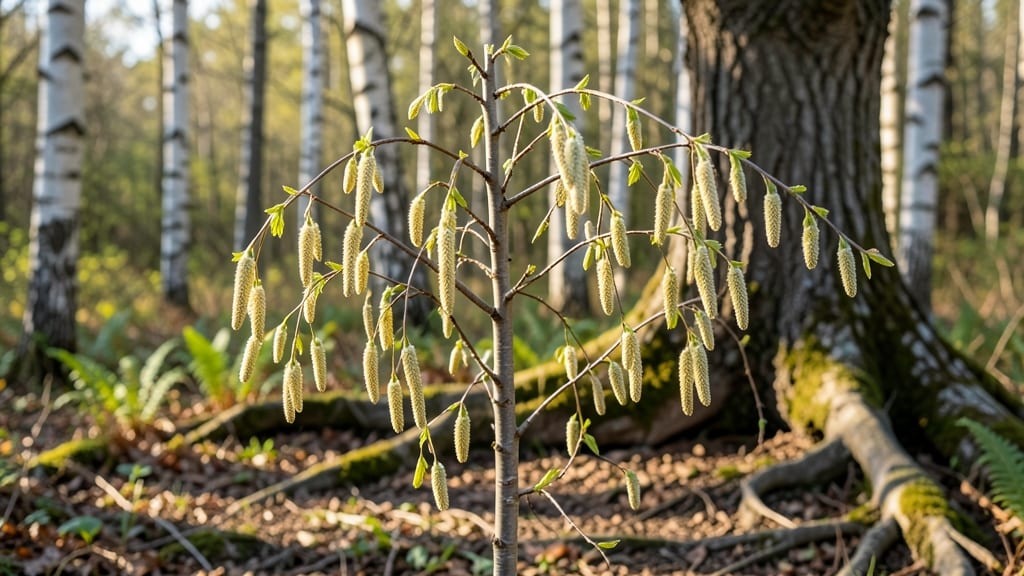
The dappled willow shrub turns any garden corner into a fragrant, sun-dappled retreat. ✨ Its arching branches create natural shade while letting light filter through, and the delicate foliage adds movement that no stiff hedge ever could.
I planted mine near the patio, and now I can enjoy the scent of its leaves while staying cool on hot afternoons. This shrub thrives in partial shade, making it perfect for spots where other plants struggle.
It pairs beautifully with hostas for contrast or lavender for fragrance, and its graceful shape softens modern landscapes. The key to its design magic is spacing—plant them 3-5 feet apart for that lush, flowing look without overcrowding. You’ll love how it transforms a dull fence line into a living tapestry.
The leaves release a subtle, fresh scent when brushed, and in autumn, they turn a soft golden hue. It’s the kind of plant that makes neighbors stop and ask, "What is that gorgeous thing?" Works equally well as a standalone specimen or in mixed borders.
For maximum impact, group three together to create a natural archway or screen. Here’s how to style it like a pro!
📚 In This Guide
- What you need
- Instructions
- Tips and common mistakes
- Wrapping up and next steps
What you need
- ● Dappled Willow Shrub: 1–3 young plants (3–5 feet tall, depending on desired height)
- ● OR seeds (if starting from scratch, though slower-growing)
- ● Planting Site: Sunny to partially shaded spot (6+ hours of sunlight for best growth)
- ● Well-draining soil (amend with compost if needed)
- ● Space: 8–10 feet apart for mature shrubs (or closer for a dense screen)
- ● Tools: Trowel or shovel
- ● Garden gloves (to protect your hands!)
- ● Measuring tape or stakes (for spacing)
- ● Watering can or hose (with a gentle spray nozzle)
- ● Mulch (2–3 inches of organic mulch to retain moisture)
- ● Fertilizer (balanced 10-10-10 or slow-release shrub food)
- ● Pruning shears (for shaping or trimming in early spring)
- ● Erosion control fabric (if planting on a slope)
- ● Decorative stakes or trellis (for training arching branches early on)
How to plant and care for a dappled willow shrub
This elegant shrub thrives with minimal fuss—just follow these steps for a fragrant, arching privacy screen.
🌱 Step 1: Choose the Perfect Planting Spot
Dappled willow loves partial shade to full sun, but it tolerates morning sun and afternoon shade beautifully. I always look for a spot with 6+ hours of filtered light—too much harsh sun can scorch its delicate leaves. Avoid low-lying areas where cold air settles, as this shrub dislikes frost pockets.
Check the soil drainage by digging a 6-inch hole—if water pools after 30 minutes, amend with 2-3 inches of compost to improve aeration. The shrub’s roots spread wide, so space 8-10 feet apart for a natural, arching effect. I mark the spot with a stake to visualize the mature size before planting.
🪴 Step 2: Dig and Prepare the Planting Hole
Dig a hole twice as wide as the root ball but only as deep—planting too deep suffocates the roots. Loosen the sides of the hole with a shovel to encourage root spread. If your soil is heavy clay, mix in 1 part perlite to 3 parts native soil to improve drainage.
Gently remove the shrub from its container and tease apart any circling roots. Place it in the hole so the top of the root ball sits 1 inch below soil level—this prevents stem rot. Backfill with native soil, tamping lightly every 2 inches to eliminate air pockets.
💧 Step 3: Water Deeply and Mulch for Retention
Water immediately after planting, giving the soil a deep soak until it drains 6 inches down. Let the water absorb completely—soggy soil at this stage can smother roots. I water again in 3-4 days to encourage root establishment, then taper to once weekly unless rainfall provides 1 inch of moisture.
Spread 2-3 inches of mulch (like pine straw or shredded bark) around the base, keeping it 3 inches away from the stem to prevent rot. Mulch locks in moisture and regulates soil temperature, which is key for the dappled willow’s delicate growth. Refresh the mulch annually as it decomposes.
☀️ Step 4: Prune for Shape and Encourage Fullness
Prune in late winter or early spring before new growth begins. Remove dead or crossing branches first, then trim back any leggy growth by one-third to encourage bushier growth. I use clean, sharp pruners to make 45-degree cuts just above a leaf node—this prevents water from pooling and causing disease.
For a privacy screen, focus on shaping the outer branches. Thin out 10-15% of the oldest stems each year to maintain airflow and light penetration. Avoid heavy pruning in fall, as new growth won’t harden off before winter.
⏰ Step 5: Monitor for Pests and Seasonal Care
Dappled willow is generally pest-resistant, but watch for aphids or spider mites on new growth. Spray with a soapy water solution (1 tsp mild dish soap per gallon of water) if you spot clusters of tiny insects. I check leaves weekly during spring and summer for early signs of infestation.
In fall, reduce watering as temperatures drop. Apply a 2-inch layer of mulch to insulate roots from freezing. If your winters are harsh, wrap young shrubs with burlap for the first two years until they establish a strong root system.
Tips & tricks for perfect dappled willow planting
These simple strategies will help your dappled willow thrive from day one—no green thumb required.
Soil Test First: Before amending soil, grab a handful of native dirt and squeeze it. If it stays clumped together after releasing pressure, you’ve got heavy clay—mix in that 1 part perlite to 3 parts soil ratio from Step 2. For sandy soils, add 2-3 inches of compost instead. The 30-minute drainage test is your best friend here—if water pools, fix it before planting.
Root Ball Handling: When removing your dappled willow from its container, gently squeeze the root ball to encourage roots to spread outward. If you notice circling roots, use your fingers to tease them apart before planting. This prevents girdling as the roots establish. The 1-inch below soil level placement isn't just about stem rot prevention—it creates the perfect microclimate for root expansion.
Watering Wisdom: That deep soak until water drains 6 inches down isn't just about initial hydration—it mimics natural rainfall patterns. After planting, I set a timer for 3-4 days to remind myself to water again. Pro tip: Use a rain gauge or tuna can to measure rainfall—when you hit 1 inch of moisture from rain, skip your scheduled watering. The willow's roots will thank you for this patience.
Pruning Precision: When trimming back leggy growth by one-third in Step 4, always cut just above a leaf node at a 45-degree angle. This isn't just about aesthetics—it prevents water from pooling on the cut, which can lead to disease. For privacy screens, I focus on the outer branches first, creating a natural arching effect that develops over time. Remember, those 10-15% oldest stems you thin each year are the secret to maintaining airflow and preventing fungal issues.
Pro Tips for Dappled Willow Shrub
- These simple strategies will help your dappled willow thrive from day one—no green thumb required.
- Soil Test First: Before amending soil, grab a handful of native dirt and squeeze it.
- Root Ball Handling: When removing your dappled willow from its container, gently squeeze the root ball to encourage roots to spread outward.
Frequently asked questions
Got questions about the dappled willow shrub? You’re not alone! Below, we’ve rounded up the most common queries—from planting tips to troubleshooting—to help you grow a thriving, fragrant privacy screen with ease.
How fast does a dappled willow shrub grow, and how tall can it get?
A Salix caprea (dappled willow) grows moderately fast, typically adding 1–2 feet per year under ideal conditions. With proper care, it can reach 10–15 feet tall and 8–10 feet wide, making it perfect for quick privacy screens. For faster growth, ensure it’s planted in moist, well-draining soil with full sun to partial shade.
Does the dappled willow shrub need full sun, or can it tolerate shade?
While it thrives in full sun, this shrub is flexible and can handle partial shade, especially in hotter climates. In deep shade, however, growth may slow, and flowering could be less abundant. If planting in shadier spots, opt for a moist, fertile location to support its health.
Why aren’t my dappled willow branches arching like they should?
Graceful arching is natural, but if your branches are straight or leggy, it’s often due to over-pruning or poor sunlight. To encourage arches:
- Prune lightly in late winter to shape without removing too much foliage.
- Ensure consistent moisture—wilting can weaken branches.
- Plant in sunny spots to promote natural bending.
When is the best time to plant a dappled willow shrub?
The ideal planting window is early spring or early fall, when temperatures are mild, and the soil is workable. Planting in late fall risks frost damage, while summer heat can stress young roots. If you must plant in summer, water deeply and use mulch to retain moisture.
Are there drought-tolerant alternatives if my yard has dry conditions?
While dappled willows love moisture, try these low-maintenance, fragrant alternatives for drier climates:
- Lavender (Lavandula) – Drought-resistant, fragrant, and pollinator-friendly.
- Russian Sage (Perovskia atriplicifolia) – Silvery foliage, purple blooms, and minimal water needs.
- Dwarf Fountain Grass (Pennisetum alopecuroides) – Adds texture and thrives in dry soil.
Wrapping up and next steps
The dappled willow shrub is a stunning, low-maintenance addition to any garden, offering both privacy and elegance with its fragrant foliage and graceful arching branches. Whether you're a seasoned gardener or just starting, its adaptability and beauty make it a perfect choice for enhancing your outdoor space.
Ready to transform your yard? Start by selecting the right location—whether it’s a sunny border or a shady corner—and plant your dappled willow shrub today! With a little care, you’ll soon enjoy its soothing presence and natural charm. 🌿✨