
Pruning
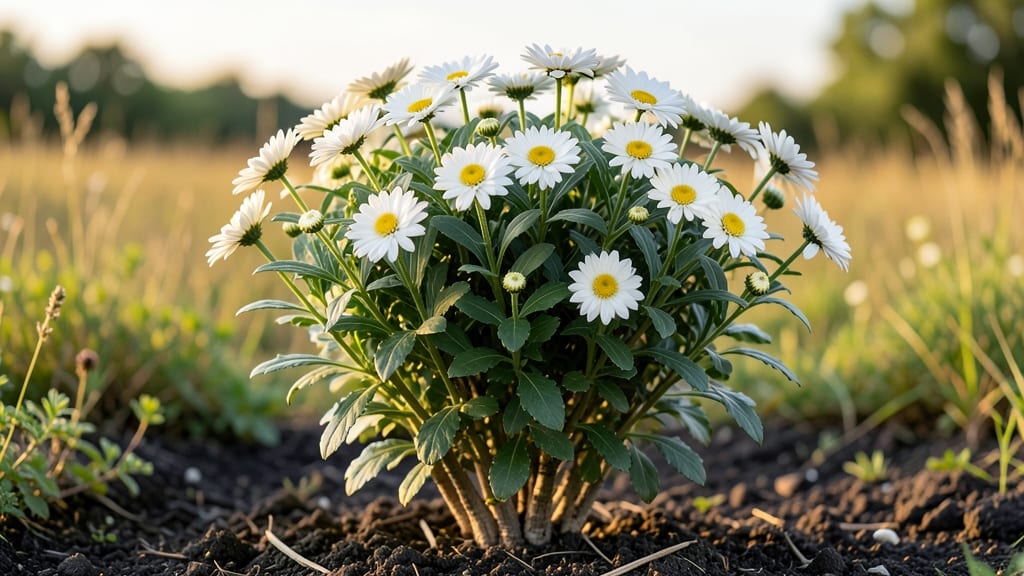
Late-winter pruning transforms your daisy bush shrub from a tangled mess into a showstopper by spring. ✂️ I’ve pruned mine every February for five years, and the difference is night-and-day—thicker stems, more blooms, and a shape that actually looks intentional. The key?
Timing, technique, and knowing which stems to keep (and which to cut). You’ll need sharp pruners, gloves, and a clear day to see the shrub’s natural structure. Daisy bushes thrive on bold cuts—up to one-third of the plant’s height—but only after the worst frost passes.
The goal is to open up the center for airflow and sunlight, which prevents fungal diseases and encourages those classic daisy blooms. After pruning, your shrub will burst with new growth within weeks, often by early April.
The blooms arrive earlier, last longer, and the foliage stays lush all season. Just avoid cutting into old wood (the brown, woody stems)—those are the plant’s energy reserves. Works for all daisy bush varieties, from Shasta daisies to Gerbera daisies, and even in containers.
Here’s how to do it right the first time.
📚 In This Guide
- What you need
- Instructions
- Tips and common mistakes
- Wrapping up and next steps
What you need
- ○ Pruning shears: Bypass pruners (sharp, clean, and sterilized with rubbing alcohol to prevent disease). Optional: Loppers for thicker branches.
- ● Gloves: Heavy-duty gardening gloves (cut-resistant for safety).
- ● Disinfectant: 1 part bleach to 9 parts water (for sterilizing tools between cuts).
- ● Pruning saw: For any stubborn, thick stems (if your shrub has woody growth).
- ● Trash bag or bucket: For collecting pruned branches (1–2 large bags or a 5-gallon bucket).
- ● Garden hose or spray bottle: To rinse tools and clean up sap/sticky residue.
- ● Weather: Choose a dry, mild day (40–60°F) to avoid stressing the plant.
- ● Timing: Prune in late winter (just before new growth starts, typically February–March in most climates).
- ● Safety gear: Safety glasses (if dealing with thorny varieties like Chrysanthemum leucanthemum).
- ○ Optional extras: Hand sanitizer (to keep cuts clean).
- ● Sharpie marker (to label pruned branches for reference).
- ● Mulch (for post-pruning soil protection).
Step-by-Step guide for pruning daisy bush shrubs in late winter
Here's the method I use every year to refresh my daisy bushes—clean cuts, stronger blooms, and no messy regrets.
✂️ Step 1: Gather Your Tools and Prep the Workspace
Start with sharp, clean pruning shears—dull blades tear stems and invite disease. I also grab my bypass pruners for thicker branches and a bucket to collect clippings. Wear gloves to protect your hands from thorns and sap. Clear the area around your daisy bush of any debris or dead leaves that could harbor pests or disease.
This is also the perfect time to lay down a tarp underneath. Daisy bushes shed a surprising amount of foliage, and you'll save hours of cleanup later. I like to work on dry days when the air is crisp—this reduces stress on the plant and makes cuts cleaner. If your shrub is particularly large, consider wearing long sleeves and closed-toe shoes for extra protection.
🌿 Step 2: Remove Dead or Damaged Wood First
Scan your daisy bush for any branches that are brown, brittle, or showing signs of disease—these are your first targets. Cut these back to healthy green wood, making your cuts just above a leaf node or outward-facing bud. You'll know you're cutting correctly when you see fresh green tissue inside the stem.
Don't worry about being too aggressive here. Dead wood won't regrow, and removing it opens up the center of the bush for better airflow and sunlight penetration. I like to step back every few cuts to visualize the shape—I'm aiming for an open, vase-like form that encourages future blooms. If you see any suckers (shoots growing from the base), remove them completely unless you're intentionally propagating.
✂️ Step 3: Thin Out Overcrowded Branches
Now focus on the healthy growth. Look for branches that cross each other or grow inward—they'll compete for sunlight and nutrients. Select the weaker of the two crossing branches and cut it back to the main stem. Aim to remove about 20-30% of the oldest wood from the shrub to encourage new growth.
Pay special attention to the center of the bush. Daisy bushes tend to get woody and dense over time, which reduces flowering. I make my cuts at a 45-degree angle, about ¼ inch above a leaf node, to prevent water from pooling on the cut. This also gives you a visual cue for where new growth will emerge. If your bush is particularly leggy, you can make a few strategic cuts to encourage bushier growth next season.
☀️ Step 4: Shape and Clean Up the Shrub
Step back and assess the overall shape of your daisy bush. You want to maintain its natural form while opening it up for better airflow. Make light cuts to refine the silhouette—think of it like sculpting. Avoid cutting into old wood (gray or brown stems), as these won't regrow. Focus on the current season's growth, which is typically green or reddish-brown.
After shaping, give the shrub one final inspection. Remove any remaining dead growth, suckers, or branches that don't contribute to the plant's health or appearance. This is also a great time to check for signs of pests or disease. If you spot anything suspicious, like holes in leaves or strange growths, note it for further research or treatment. Once you're satisfied, collect your clippings and dispose of them properly—don't compost diseased material.
💧 Step 5: Post-Pruning Care for Strong Recovery
Water your daisy bush deeply after pruning to help it recover. The roots will need moisture to support new growth, especially if you've made significant cuts. I like to add a 2-3 inch layer of mulch around the base (but not touching the stem) to retain moisture and regulate soil temperature. This is also a good time to apply a balanced, slow-release fertilizer to give your bush a nutrient boost for the growing season ahead.
Monitor your daisy bush in the weeks following pruning. You should see new growth emerging from the leaf nodes where you made cuts within 2-4 weeks. If you notice any yellowing leaves or wilting, it might be a sign of stress—adjust your watering or check for pests. Avoid heavy pruning again until next winter, as your bush needs time to recover and establish new growth. With proper care, your daisy bush will reward you with abundant blooms all season long.
Tips & tricks for pruning daisy bush shrubs
Late-winter pruning transforms your daisy bushes from last year's overgrowth into this year's blooming stars. Here's how to make every cut count.
Tool Prep is Non-Negotiable: Before you even touch a branch, take 5 minutes to sharpen your pruning shears. Dull blades crush stems instead of making clean cuts, which stresses the plant and invites disease. I keep a small file in my toolbox specifically for this—it takes 30 seconds and makes all the difference. Also, wipe down your tools with rubbing alcohol between cuts on diseased branches to prevent cross-contamination. Your daisy bush will thank you with healthier growth.
The 45-Degree Angle Secret: When you make those precise cuts in Step 3, that 45-degree angle isn't just for looks—it's functional. Cutting at this angle prevents water from pooling on the wound, which could rot the stem. I like to practice on a scrap piece of wood first to get the hang of it. Also, make sure your cut is about ¼ inch above a leaf node; this is where new growth will emerge, giving you that perfect vase shape we're aiming for.
Visualize the Final Shape: Step back every 5-10 minutes during pruning to assess your work. I find it helpful to imagine my daisy bush as a vase—wide at the bottom, narrowing slightly toward the top. This open center allows sunlight to penetrate all the way through, which means more blooms and fewer pests hiding in the shadows. If you're unsure about a cut, wait 10 minutes and look again from different angles before deciding.
Post-Pruning Inspection Checklist: After you've finished cutting, do a final walkthrough with these three checks:
- No dead wood remains (it should all be brown and brittle-free),
- All cuts are at 45-degree angles with no jagged edges, and
- The center is completely open with no overlapping branches. This final inspection catches 90% of mistakes before they become problems. I keep a small notepad handy to jot down any suspicious spots I notice—like unusual leaf markings—that need monitoring.
Pro Tips for Daisy Bush Shrub
- Late-winter pruning transforms your daisy bushes from last year's overgrowth into this year's blooming stars.
- Tool Prep is Non-Negotiable: Before you even touch a branch, take 5 minutes to sharpen your pruning shears.
- The 45-Degree Angle Secret: When you make those precise cuts in Step 3, that 45-degree angle isn't just for looks—it's functional.
Frequently asked questions
When is the best time to prune a daisy bush shrub?
The ideal time is late winter or early spring, just before new growth begins. This helps shape the shrub and encourages vigorous blooms. Avoid pruning in fall—it can stimulate tender growth that won’t survive winter. For light shaping, you can also prune lightly after flowering, but avoid heavy cuts.
How much can I cut back my daisy bush shrub?
For most daisy bush shrubs (like Chrysanthemum leucanthemum or Leucanthemum varieties), you can safely prune back 1/3 to 1/2 of the plant’s height. Cut just above a leaf node or bud to encourage bushier growth. Over-pruning may reduce flowering, so avoid drastic cuts unless rejuvenating an overgrown shrub.
What if my daisy bush isn’t blooming after pruning?
If your shrub skips blooms, it could be due to over-pruning, poor nutrition, or wrong timing. Ensure you’re pruning in late winter, fertilize lightly in spring, and provide full sun (6+ hours daily). Deadheading spent blooms can also encourage more flowers. If the issue persists, check for pests or disease.
Can I prune a daisy bush shrub in summer?
Light summer pruning (like removing dead or leggy stems) is fine, but avoid heavy cuts. Pruning too late in the season can stress the plant and reduce winter hardiness. If you must shape it, do so early summer and keep cuts minimal to protect energy reserves for fall.
What’s the difference between pruning and rejuvenating a daisy bush?
Regular pruning maintains shape and health, while rejuvenation pruning is for overgrown or woody shrubs. To rejuvenate, cut back 2/3 of the plant’s height in late winter—this stimulates new growth from the base. It’s dramatic but effective for revitalizing old shrubs!
Wrapping up and next steps
Pruning your daisy bush shrub in late winter isn’t just about tidying up—it’s your secret weapon for vibrant blooms and robust growth all season long! 🌸 With the right tools, timing, and technique, you’ll help your shrub thrive while keeping its natural charm.
Now that you’re armed with expert tips, there’s no better time than this year to roll up your sleeves and give your daisy bush the TLC it deserves.
Ready to transform your garden? Mark your calendar for late winter, gather your shears, and get pruning—your shrub (and your future floral displays) will thank you! 🌿