
Shrubs
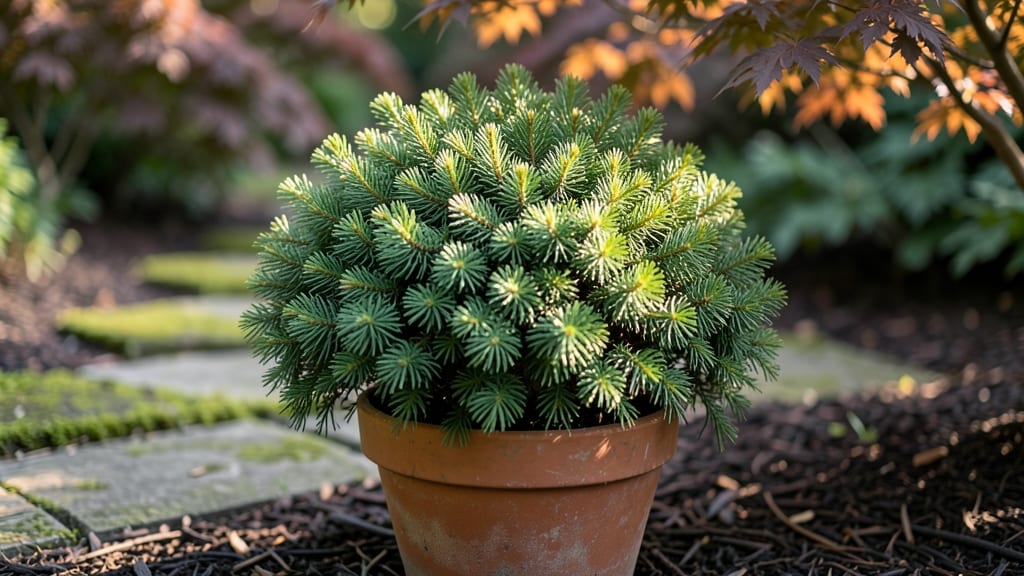
Growing Cryptomeria globosa 'Nana' means adding a living sculpture to your garden—its dense, feathery branches stay perfectly compact, never outgrowing their charm. 🌿 This dwarf Japanese cedar thrives in partial shade where other shrubs struggle, making it ideal for understory plantings or as a striking focal point in shaded borders.
The key to keeping it lush is mimicking its natural woodland habitat: moist but well-drained soil and protection from harsh afternoon sun.
Start with acidic, organically rich soil—think leaf mold or compost mixed into native soil—and plant in early spring when roots can establish before summer heat. Water deeply once a week (more in containers), keeping the root zone consistently moist but never soggy.
Unlike its larger cousins, this cultivar won’t need pruning to control size—its natural growth habit stays under 2 feet tall and wide—but you can lightly shape it after flowering to maintain its mounded form.
What you’ll love most is how effortlessly it fits into any garden style. Pair it with hostas and ferns for a woodland retreat, or use it as a low hedge along pathways where its soft texture contrasts beautifully with gravel or stone.
The fragrance of crushed needles adds a subtle, earthy scent that’s pure garden magic. With minimal care, it rewards you with year-round interest and that coveted "I designed this" look.
For best results, plant in zones 5-8 where winter temps dip but don’t freeze solid—this cedar handles cold better than most dwarf conifers. If your winters are brutal, mulch heavily to protect those delicate new growth tips.
Once established, it’s nearly pest-proof, though spider mites might visit during droughts (a simple spray of water usually sends them packing). The real secret? Patience—it grows slowly but steadily, making it the perfect long-term investment for any shaded spot.
📚 In This Guide
- What you need
- Instructions
- Tips and common mistakes
- Wrapping up and next steps
What you need
- ● Pro tip: 💡 If planting in full sun, add a shade cloth (30-50%) during the first month to ease transplant shock!
Instructions for planting and caring for your Cryptomeria globosa Nana
This charming dwarf cedar thrives with the right conditions—here's how to set it up for years of lush, compact growth.
🪴 Step 1: Choose the Perfect Planting Spot
Select a location with partial shade to full shade—this shrub hates harsh afternoon sun that can scorch its delicate needles. I always check the spot for at least 4 hours of morning sun but no direct sun after noon, especially in hotter climates. The soil should drain well, but don't worry if it's not perfect—this plant is forgiving once established.
Dig a hole twice as wide as the root ball but only as deep as the container it came in. Loosen the sides of the hole with your hands or a trowel—this helps roots spread without getting tangled. If your soil is heavy clay, mix in a handful of peat moss or compost to improve drainage. The key is mimicking its natural woodland habitat.
🌱 Step 2: Plant with Care for Strong Root Establishment
Gently remove the shrub from its container and loosen any circling roots with your fingers—this prevents girdling as it grows. Place it in the hole so the top of the root ball sits level with the surrounding soil. I always double-check this with a level tool to avoid sinking too low, which can cause rot.
Backfill with the native soil, pressing lightly around the edges to remove air pockets. Water deeply right after planting—about 1 gallon—until water runs out the bottom of the hole. This helps settle the soil and eliminates gaps. Avoid compacting the soil too hard, though, or you'll restrict root growth.
☀️ Step 3: Water and Mulch for Moisture Retention
Keep the soil consistently moist but never soggy for the first 2-3 weeks after planting. Water early in the morning so the foliage has time to dry before evening. You'll know it's time to water again when the top 1-2 inches of soil feel dry to the touch—stick your finger in to check.
Spread 2-3 inches of mulch (like pine bark or shredded leaves) around the base, keeping it 3 inches away from the trunk to prevent rot. This helps retain moisture and protects roots from temperature swings. I always refresh the mulch layer in late winter to give the shrub a fresh start as new growth begins.
✂️ Step 4: Prune for Shape and Health
This dwarf cedar rarely needs pruning, but you can lightly shape it in early spring if it grows unevenly. Use clean, sharp pruners to trim back any leggy growth or overcrowded branches. Cut just above a set of leaves to encourage bushier growth—never cut into bare wood.
Remove any dead or diseased branches immediately to prevent spread. I also check for brown tips—a sign of dry air—especially in indoor or container settings. A light misting in dry conditions helps maintain that vibrant green color. Prune no more than 10% of the shrub at a time to avoid stressing it.
🌿 Step 5: Monitor and Adjust for Long-Term Success
Watch for yellowing needles—this usually means too much water or poor drainage. If you see this, let the soil dry out more between waterings. Conversely, dry, crispy edges signal underwatering or low humidity. This shrub loves 60-75% humidity, so a pebble tray with water nearby helps in dry climates.
Fertilize lightly in early spring with a balanced, slow-release fertilizer (like 10-10-10) if your soil is poor. Too much fertilizer causes weak, leggy growth. I skip fertilizing entirely if the shrub looks healthy—it's a low-maintenance plant that thrives on good care rather than heavy feeding.
Tips & tricks for perfect Cryptomeria globosa Nana care
Here's what nobody tells you about keeping your dwarf Japanese cedar thriving for years.
Lighting Secret: The 4 hours of morning sun in Step 1 is non-negotiable—this gives your shrub just enough energy without risking afternoon sunburn. I've seen these delicate needles crisp up after just one hot afternoon in direct sun. If you're in a very hot climate, consider a sheer curtain for the harshest hours. The goal is bright, indirect light that mimics its woodland home.
Root Establishment Tip: When loosening circling roots in Step 2, be gentle but thorough—you're essentially untangling a delicate root system. I use my fingers to carefully separate any roots that have wrapped around the container. This prevents girdling, which can strangle the plant as it grows. Think of it like giving your shrub's roots a spa treatment before planting.
Watering Wisdom: The consistently moist but never soggy rule in Step 3 is crucial—this shrub's roots need oxygen to breathe. I've learned the hard way that soggy soil leads to root rot, which can kill your plant in weeks. A good test is to stick your finger 1-2 inches deep: if it feels dry, water; if it's damp, wait. And always water at the base, not over the foliage, to prevent fungal issues.
Pruning Precision: That 10% pruning limit in Step 4 isn't arbitrary—it's based on how much stress the plant can handle. When shaping in early spring, I always work with clean pruners and make cuts just above a set of leaves. This encourages bushier growth and prevents those unsightly bare spots. Never cut into wood, as the plant won't regenerate from those cuts.
Pro Tips for Cryptomeria Globosa Nana Shrub
- Here's what nobody tells you about keeping your dwarf Japanese cedar thriving for years.
- Lighting Secret: The 4 hours of morning sun in Step 1 is non-negotiable—this gives your shrub just enough energy without risking afternoon sunburn.
- Root Establishment Tip: When loosening circling roots in Step 2, be gentle but thorough—you're essentially untangling a delicate root system.
Frequently asked questions
How fast does Cryptomeria globosa 'Nana' grow, and how big will it get?
This slow-growing shrub typically reaches 2–3 feet tall and wide over 10 years. Expect only 1–2 inches of growth per year—perfect for low-maintenance landscaping! Patience is key, but its compact size makes it ideal for small gardens or containers.
How often should I water my Cryptomeria 'Nana'?
Water deeply 1–2 times per week during the first year to establish roots, then reduce to once weekly (or less in winter). Overwatering is the #1 killer! Ensure well-draining soil—this shrub hates soggy feet. Mature plants are drought-tolerant once established.
Is Cryptomeria 'Nana' cold-hardy? What about heat?
This shrub thrives in USDA Zones 5–9, handling winter temps down to -20°F. In hot climates, provide afternoon shade to prevent leaf scorch. Its dense foliage also makes it wind-resistant—great for coastal gardens!
Why are the tips of my 'Nana' turning brown? Is it dying?
Brown tips usually mean underwatering, overwatering, or salt buildup from tap water. Try these fixes:
- Check soil moisture—stick your finger 2 inches deep; if dry, water deeply.
- Use rainwater or distilled water to avoid mineral buildup.
- Trim dead tips with clean pruners to encourage new growth.
Can I grow Cryptomeria 'Nana' in a pot? What container size?
Yes! This shrub loves containers and stays compact in pots. Use a 12–15 inch diameter container with drainage holes and well-aerated soil. Move pots to partial shade in summer and full sun in cooler months for best results.
When (and how) should I prune my 'Nana'?
Prune late winter or early spring to shape or remove dead growth. Use sterilized bypass pruners to make clean cuts just above a leaf node. Avoid heavy pruning—this shrub has a natural, mounded form and responds poorly to aggressive trimming.
Are there pests I should watch for on Cryptomeria 'Nana'?
Keep an eye out for spider mites, scale, or bagworms—common in dry conditions. Treat early with neem oil or insecticidal soap. Healthy plants resist pests! Ensure good airflow and avoid over-fertilizing to deter infestations.
Wrapping up and next steps
The Cryptomeria globosa 'Nana' is a stunning, low-maintenance shrub that brings elegance and texture to any garden. With its compact size, vibrant green foliage, and adaptability to various climates, it’s perfect for adding a touch of Japanese charm to your outdoor space.
Whether you’re a seasoned gardener or just starting, this shrub makes caring for your landscape simple and rewarding.
Ready to transform your garden? Start by selecting the perfect spot—whether it’s a sunny border, a shady corner, or even a container—and watch your 'Nana' thrive with minimal effort. Happy planting! 🌿✨