
Shrubs
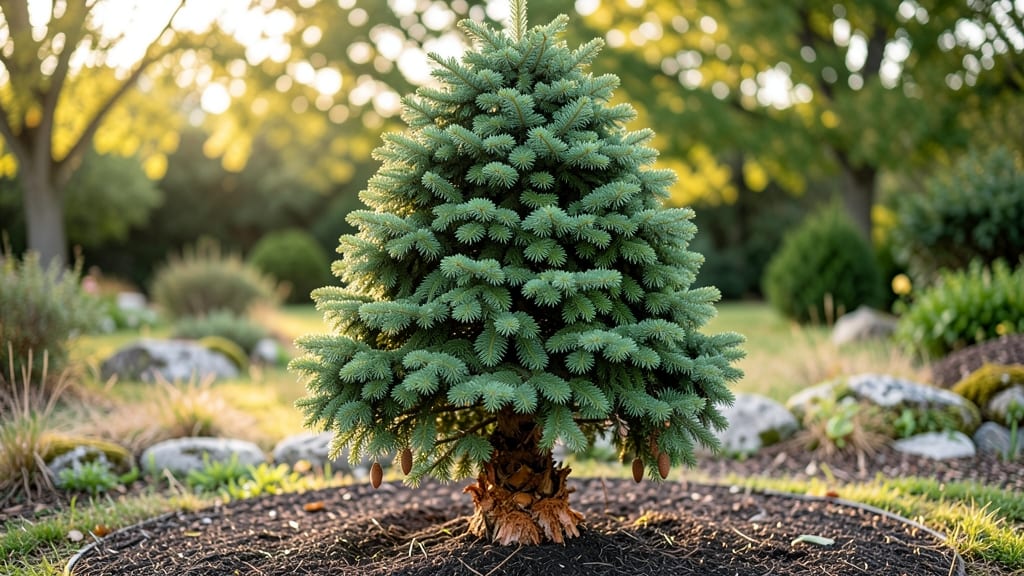
Cone-shaped shrubs like Pinus mugo and Thuja occidentalis transform any yard into a lush, private retreat—without the thorns or high-maintenance fuss. 🌿 I’ve used them to create natural privacy screens that look intentional, not like a hedge factory.
The secret lies in strategic pruning that encourages dense growth while keeping the elegant cone shape intact.
These shrubs thrive as year-round borders, focal points, or even small hedges. Their evergreen foliage provides instant structure, while their natural shape requires minimal shaping after the first few years. Pair them with low-growing perennials like lavender or ornamental grasses for texture contrast that makes your design pop.
Within three years, you’ll have a full, thornless barrier that feels like part of the landscape—not an afterthought. The key is pruning in early spring before new growth starts, using sharp shears to clean up without over-trimming. Think of it as sculpting, not hacking.
Works for urban backyards, cottage gardens, or modern landscapes—just pick the right variety for your climate. Pinus mugo loves cooler zones, while Thuja handles heat better. Let’s get your privacy screen growing the right way.
📚 In This Guide
- What you need
- Instructions
- Tips and common mistakes
- Wrapping up and next steps
What you need
- ● Pruning shears: Bypass pruners (for clean cuts on smaller branches) – 1 pair (look for ergonomic, sharp blades).
- ● Loppers: For thicker branches (up to 2 inches in diameter) – 1 pair (choose bypass or anvil with a comfortable grip).
- ● Pruning saw: For stubborn, thick growth – 1 (hand saw with a curved blade for precision).
- ● Gloves: Heavy-duty gardening gloves (thorn-resistant if needed) – 1 pair (nitrile-coated for grip).
- ● Disinfectant: 70% isopropyl alcohol or bleach solution (1 part bleach to 9 parts water) – small bottle (to sterilize tools between cuts).
- ○ Pruning sealant: Optional but helpful for large cuts (e.g., tree wound pruning paste) – small tube.
- ● Measuring tape: Flexible 25-foot tape – 1 (to track growth and spacing).
- ● Garden twine or stakes: For temporary shaping guides – as needed.
- ● Wheelbarrow or bucket: For collecting clippings – 1 (10+ gallon capacity).
- ● Safety gear: Safety glasses (to protect from debris) and long sleeves/pants (for thorny shrubs).
- ● Weather check: Prune on a dry, overcast day (avoid midday heat or wind).
- ● Shrub health: Ensure your shrubs are well-watered (but not soggy) 1–2 days before pruning.
- ● Plan ahead: Sketch a rough outline of your desired cone shape (use stakes or twine as a guide).
- ● Compost bin: Ready for clippings (or a designated disposal area if composting isn’t an option).
Step-by-step pruning guide for cone-shaped shrubs
Transform leggy shrubs into lush, thornless privacy screens with this precision pruning method.
🌿 Step 1: Assess Growth Habits and Select Tools
Start by examining your shrubs' natural growth patterns—cone-shaped varieties like Thuja occidentalis or Buxus grow upward first, then fill outward. Choose sharp, bypass pruners for clean cuts and a folding saw for thicker branches over ½ inch in diameter. I always disinfect tools with 70% rubbing alcohol before cutting to prevent disease spread between plants.
Look for water sprouts (thin, vertical shoots) and crossing branches—these are your first targets. Water sprouts steal energy from the main structure, while crossing branches create weak points where pests or disease can enter. Mark these areas with colored twine if you're working with multiple shrubs, so you don't miss any during the process.
✂️ Step 2: Perform Structural Pruning in Early Spring
Time your first major pruning for late winter to early spring, just as new growth begins but before buds swell. This timing ensures you remove dead wood while stimulating fresh, vigorous growth. Start at the outer edges of each shrub, cutting back ⅓ of the oldest growth to encourage denser, younger branches to fill in.
For each branch, make your cut just above an outward-facing bud at a 45-degree angle. This angle prevents water from pooling on the cut and directs new growth outward, maintaining that perfect cone shape. Avoid cutting into the center of the shrub—this creates a "donut hole" that never fills in properly. If you accidentally cut too much, don't panic; new growth will compensate within 2-3 weeks.
🌱 Step 3: Maintain Shape Through Seasonal Trims
After the initial spring pruning, perform light maintenance trims every 6-8 weeks during the growing season. Use your hands to pinch back soft new growth that's growing in the wrong direction—this keeps the shape tight without heavy pruning. For thicker branches, make clean cuts ⅛ inch above a leaf node to encourage branching at that point.
Watch for sparse areas where sunlight reaches the center. These spots need selective pruning to open up the canopy slightly—remove 1-2 branches from the interior to let light penetrate and stimulate new growth. You'll know you're doing it right when you see dense foliage filling in within 4-6 weeks of each trim.
⏰ Step 4: Winter Cleanup for Long-Term Health
In late fall, after leaves have dropped but before hard frosts, perform a final cleanup. Remove all dead, diseased, or crossing branches, cutting back to healthy wood. For evergreens, this is also the time to shape the outer edges—use a string line for guidance to maintain symmetry. I like to step back every few cuts to check the overall silhouette against the line.
Don't skip this step—winter pruning prevents pests from overwintering in dead wood and gives your shrubs a clean start in spring. If you notice brown, mushy stems, cut those out immediately and dispose of them in the trash (not compost). Healthy shrubs should have firm, green stems with no signs of rot or pest activity.
Tips & tricks for perfect cone-shaped shrubs
A few strategic moves will turn your leggy shrubs into lush, thorn-free privacy walls faster than you'd think.
Tool Prep: Never underestimate the power of sharp tools—dull pruners tear tissue, inviting disease. I test my bypass pruners by cutting a thin strip of paper; if it doesn't slice cleanly, sharpen them first. For branches thicker than ½ inch, switch to your folding saw immediately to avoid crushing the stem. Pro tip: Wipe blades with rubbing alcohol between cuts on different shrubs to prevent cross-contamination.
The 45-Degree Angle Secret: That angled cut in Step 2 isn't just for looks—it's a hydraulic engineering trick. The slant prevents water from pooling on the cut surface, which would otherwise rot the stem. Imagine the cut as a tiny roof directing rainwater away from the plant. When making your cuts, visualize the angle pointing toward the outer edge of the shrub to maintain that perfect cone shape.
Seasonal Timing Matters: The 6-8 week maintenance schedule in Step 3 works because it aligns with your shrub's growth cycles. Evergreens like Thuja grow most vigorously after spring rains, so that first trim after winter is critical. For container-grown shrubs, you can adjust to every 5-6 weeks since they experience more stress and need frequent shaping to maintain their compact form.
Visual Growth Check: After each trim, step back and compare both sides of your shrub against each other. The goal is symmetry, but more importantly, you're looking for even light penetration. If one side looks darker, that's your cue to open up the denser side slightly in the next trim. This balanced light exposure is what triggers uniform growth throughout the shrub's structure.
Pro Tips for Cone Shaped Shrubs
- A few strategic moves will turn your leggy shrubs into lush, thorn-free privacy walls faster than you'd think.
- Tool Prep: Never underestimate the power of sharp tools—dull pruners tear tissue, inviting disease. I test my bypass ...
- The 45-Degree Angle Secret: That angled cut in Step 2 isn't just for looks—it's a hydraulic engineering trick. The sl...
Frequently asked questions
Got questions about keeping your cone-shaped shrubs lush, healthy, and perfectly pruned? Here’s what you need to know—from timing to troubleshooting!
When is the best time to prune cone-shaped shrubs for privacy?
Prune most cone-shaped shrubs (like Thuja or Buxus) in late winter or early spring before new growth starts. For evergreens, avoid heavy pruning in fall—it can stress the plant. Pro tip: If you need year-round privacy, do light trims in early summer too!
How often should I prune for a dense, thorn-free look?
For dense growth, prune 2-3 times per year:
- Spring: Shape the base and remove dead branches.
- Summer (optional): Light trim to encourage bushiness.
- Fall (light only): Clean up stray branches.
Thornless varieties (like Thuja occidentalis ‘Smaragd’) need less aggressive pruning—focus on thinning instead of shearing!
What if my cone shrub looks sparse or leggy after pruning?
Leggy growth usually means too much shade or over-pruning. Fix it by:
- Moving to 6+ hours of sunlight daily.
- Pruning only 1/3 of the plant per session to avoid shock.
- Fertilizing with slow-release, balanced fertilizer in spring.
Pro tip: If branches are bare at the base, don’t cut them off—prune just above a leafy node to encourage regrowth!
Can I replace cone-shaped shrubs with something else for privacy?
Consider these thornless, fast-growing alternatives:
- Arborvitae (Thuja) – Classic cone shape, evergreen.
- Boxwood (Buxus) – Dense, great for hedges.
- Holly (Ilex) – Thornless varieties like ‘Sky Pencil.’
- Privet (Ligustrum) – Budget-friendly and hardy.
Check your USDA zone and sunlight needs before swapping!
Why are my cone shrubs getting brown tips after pruning?
Brown tips often mean overwatering, underwatering, or salt buildup from tap water. Try:
- Watering deeply 1-2x/week (not daily).
- Using rainwater or filtered water to avoid salt damage.
- Trimming only healthy growth—never prune browned branches.
Pro tip: Mulch around the base to retain moisture and reduce stress!
Wrapping up and next steps
Cone-shaped shrubs are your secret weapon for creating a dense, thornless privacy screen in just three years—without the hassle of constant maintenance! By mastering the pruning blueprint outlined here, you’ll transform your yard into a lush, low-effort sanctuary.
The key? Timing, technique, and consistency—plus the right tools for the job.
Ready to take action? Start by assessing your shrubs this spring and commit to a seasonal pruning schedule. With patience and precision, you’ll enjoy that dreamy, impenetrable green wall sooner than you think! 🌿✨