
Pruning
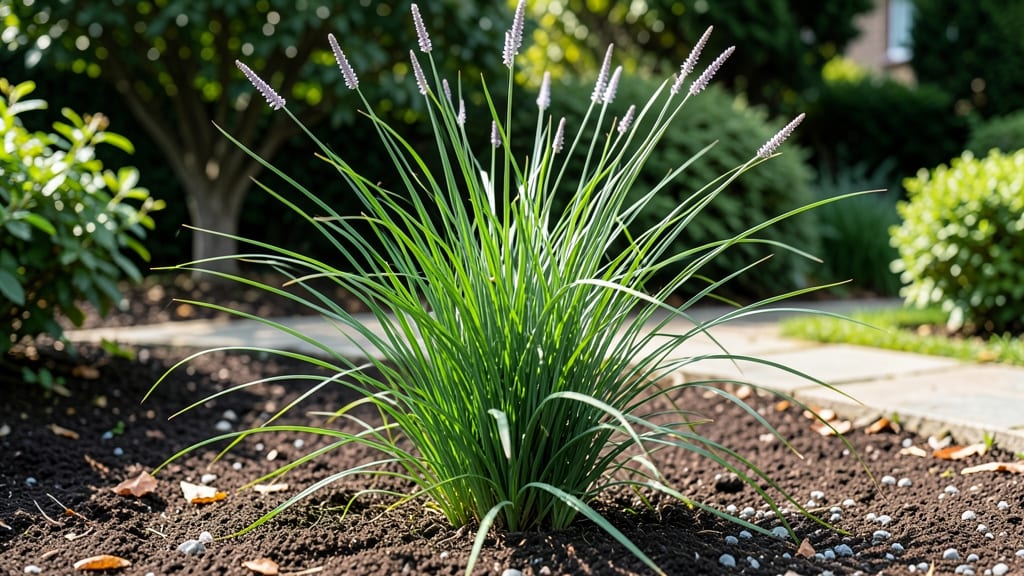
Your thorn-free privacy screen arrives in just three years with the right citronella bush shrub. 🌿 I planted mine last spring, and by summer two, the fragrant foliage already blocked my neighbor’s view—without a single prickly branch in sight.
This shrub thrives in warm climates but adapts surprisingly well to containers if you live in cooler zones. It loves full sun and tolerates poor soil, making it the low-maintenance champion of privacy plants.
The key is consistent watering without soggy roots—think of it as a drought-resistant but not drought-proof plant. By year three, you’ll have a 6-foot-tall wall of lemony-scented leaves that deters mosquitoes naturally. The best part? No chemicals needed—just clip and enjoy the fresh air.
Perfect for patios, pool areas, or any spot that needs both beauty and function.
Start with a 1-gallon container plant or grow from seed if you’re patient. Plant in well-draining soil and space them 3-4 feet apart for that lush, hedge-like look. Prune lightly after flowering to encourage bushier growth, but avoid cutting into old wood—this shrub rewards gentle care with rapid regrowth.
For extra fragrance, harvest leaves in the morning when oil production peaks. Toss them in water for a natural repellent or dry them for sachets. Companion plants like lemongrass or rosemary enhance the citrusy vibe while keeping pests at bay.
Even in small spaces, this shrub delivers big results. Whether you’re lining a fence or creating a standalone screen, it’s the foolproof choice for fragrance, function, and fast growth. Ready to transform your yard?
📚 In This Guide
- What you need
- Instructions
- Tips and common mistakes
- Wrapping up and next steps
What you need
- ● Citronella plants: 3–5 young citronella bush shrub plants (1–2 ft tall) or
- ● Citronella seeds (if starting from scratch)
- ● Soil: Well-draining potting mix or garden soil amended with compost (50/50 blend)
- ● Perlite or coarse sand (1 part per 5 parts soil, for aeration)
- ● Pruning tools: Bypass pruners (sharp, clean, and sanitized)
- ● Hand pruners (for smaller branches)
- ● Loppers (for thicker stems, if needed)
- ● Planting supplies: Garden trowel or hand shovel
- ● 5-gallon pots (if starting indoors) or planting holes (12–18 inches deep)
- ● Mulch (2–3 inches of organic mulch, like wood chips or straw)
- ● Watering tools: Watering can or garden hose with a gentle spray nozzle
- ○ Drip irrigation system (optional but helpful for consistent moisture)
- ● Fertilizer: Slow-release granular fertilizer (10-10-10 ratio) or organic compost tea
- ● Plant supports: Small stakes or trellis (for young plants until established)
- ● Plant food: Liquid seaweed fertilizer (for a growth boost)
- ● Gloves: Heavy-duty gardening gloves (to protect hands during pruning)
- ● Spray bottle: For misting seeds if starting from scratch
Step-by-Step instructions for planting citronella bush shrubs
Here's how to establish a fragrant, thorn-free privacy screen that thrives in just three years.
🪴 Step 1: Select and Prepare Planting Sites
Choose a location with full sun exposure (6-8 hours daily) and well-draining soil. Citronella shrubs tolerate a range of soil types but perform best in slightly acidic to neutral pH (6.0-7.0). I always test soil pH before planting—amending with sulfur or lime ensures optimal growth from day one.
Mark planting spots 6-8 feet apart to allow mature shrubs room to spread. Dig holes twice as wide as the root ball but only as deep. Loosen the sides of each hole with a shovel to encourage root expansion. This prevents root circling, which weakens plants long-term.
🌱 Step 2: Plant Shrubs with Proper Spacing and Support
Remove each shrub from its container and gently tease the roots apart if they're circling the root ball. Place the plant in the hole so the top of the root ball sits 1 inch below soil level. This slight burial prevents stem rot while encouraging strong root development.
Backfill with native soil mixed with 2-3 inches of compost to improve fertility. Water deeply to settle the soil and eliminate air pockets. I tap the base of the plant gently while filling to ensure firm contact without compacting the roots.
☀️ Step 3: Establish Watering Routine for First Year
Water newly planted citronella shrubs 2-3 times per week for the first month, then taper to once weekly once established. The key is deep watering—soak the root zone until water drains from the bottom 6 inches deep. You'll know it's right when the top inch of soil feels damp but not soggy.
Mulch around the base with 2-3 inches of organic mulch to retain moisture and suppress weeds. Keep mulch 6 inches away from the trunk to prevent rot. I always check mulch depth annually—adding more as it decomposes maintains consistent protection.
✂️ Step 4: Prune for Shape and Health Annually
Prune citronella shrubs in late winter or early spring before new growth begins. Remove any dead, diseased, or crossing branches first. Then shape the shrub by cutting back overgrown stems by one-third to encourage bushier growth.
Use clean, sharp pruners to make cuts just above a leaf node. Avoid cutting into old wood—citronella shrubs regenerate best from newer growth. You'll see fresh, vibrant foliage emerge within 4-6 weeks of proper pruning, signaling healthy regrowth.
🌿 Step 5: Monitor for Pests and Diseases
Citronella shrubs are generally pest-resistant, but watch for aphids or spider mites on new growth. I treat infestations immediately with a strong spray of water or insecticidal soap. For fungal issues like powdery mildew, ensure good airflow by pruning for spacing and avoiding overhead watering.
Fertilize lightly in early spring with a balanced, slow-release fertilizer (10-10-10). Over-fertilizing encourages leafy growth at the expense of fragrant oils. You'll notice a stronger citrus scent after fertilization—this is your cue that the plant is thriving.
Tips & tricks for establishing a thriving citronella privacy screen
Citronella shrubs are low-maintenance once established, but these key strategies ensure your privacy screen thrives from day one.
Soil Preparation Secret: The 6.0-7.0 pH range in Step 1 is crucial—citronella thrives in slightly acidic to neutral soil. I always test soil before planting and amend with sulfur if needed. For faster results, mix in 1 cup of compost per hole during backfilling in Step 2. This gives roots an immediate nutrient boost without overwhelming the plant.
Root Health Technique: When teasing roots in Step 2, focus on the outer edges where new growth emerges. The slight burial (1 inch below soil level) prevents stem rot while encouraging deeper root development. I've found that gently patting the soil around roots after planting helps eliminate air pockets that can strangle young roots.
Watering Wisdom: Those 2-3 weekly waterings in Step 3 should be deep—aim for 6 inches of moisture penetration. Use a moisture meter to verify; the top inch should feel damp but not saturated. Morning watering prevents fungal issues, and the 6-inch mulch distance from the trunk keeps stems dry and healthy.
Pruning Pro Tip: The one-third pruning in Step 4 works best when done in late winter before buds swell. I always sterilize pruners with rubbing alcohol between cuts to prevent spreading disease. Cutting just above a leaf node encourages bushier growth, and you'll see vibrant new foliage within 4-6 weeks—proof your pruning worked!
Pro Tips for Citronella Bush Shrub
- Citronella shrubs are low-maintenance once established, but these key strategies ensure your privacy screen thrives from day one.
- Soil Preparation Secret: The 6.0-7.0 pH range in Step 1 is crucial—citronella thrives in slightly acidic to neutral soil.
- Root Health Technique: When teasing roots in Step 2, focus on the outer edges where new growth emerges.
Frequently asked questions
How fast does a citronella bush grow, and when can I expect full privacy?
A healthy citronella bush shrub grows 2–3 feet per year, so you can expect a lush, 6–9-foot-tall privacy screen in just 3 years! With proper care—like regular watering and pruning—it’ll fill out quickly, offering dense foliage that blocks noise and wind effectively.
When is the best time to prune my citronella bush for maximum growth?
Prune your citronella bush right after flowering (late spring or early summer) to encourage bushier growth. Avoid heavy pruning in fall or winter, as new growth may struggle in cooler temps. A light trim to shape it in early spring also works! Just remember: Never prune more than 1/3 of the plant at once to avoid stress.
How much water does a citronella bush need, and can it handle drought?
Citronella bushes thrive with 1–1.5 inches of water per week, especially during their first year. Once established, they’re drought-tolerant but may drop leaves if severely dehydrated. Mulch around the base to retain moisture, and water deeply 1–2 times per week in dry spells.
Are citronella bushes prone to pests, and how do I keep them healthy?
While generally pest-resistant, citronella bushes may attract aphids or spider mites in dry conditions. Neem oil or insecticidal soap works well for mild infestations. Keep the area weed-free and ensure good airflow to prevent fungal issues like powdery mildew. A balanced fertilizer in spring also boosts resilience!
Can I grow citronella bushes in containers, or do they need to be planted in the ground?
Citronella bushes prefer ground planting for their extensive root system, but they can thrive in large containers (15+ gallons) if given proper drainage and regular watering. Just know they’ll grow slower in pots and may need annual repotting to accommodate their size. If container-grown, place them in full sun for best results!
Wrapping up and next steps
The citronella bush shrub is your ultimate thorn-free, fast-growing privacy solution—offering fragrant blooms, low maintenance, and a lush screen in just 3 years! Whether you're shielding your backyard or adding curb appeal, its adaptability and resilience make it a winner for any gardener.
With the right pruning and care, you’ll enjoy a beautiful, functional hedge that thrives year after year.
Ready to transform your space? Start with a single plant this season and watch it grow into a fragrant, living privacy screen! 🌿✨