
Pruning
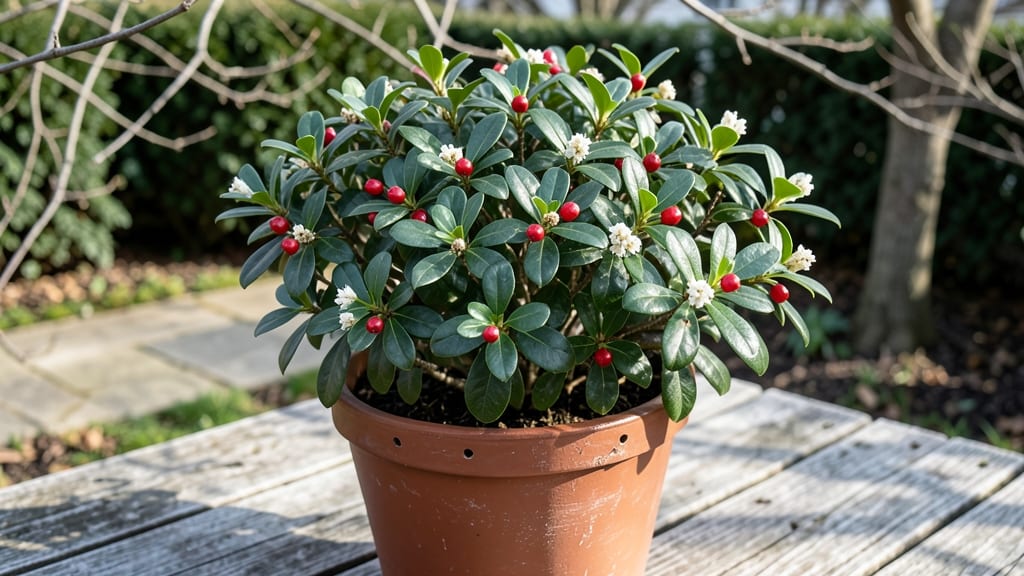
Your privacy screen could double as a holiday centerpiece. 🌲 The Christmas tree shrub—think Nandina domestica or Picea pungens—grows into a lush, evergreen hedge with the shape of a miniature tree, all without the thorns or upkeep of traditional options.
In just 3 years, you’ll have a 6-foot-tall living wall that stays green year-round and adds festive charm during the holidays.
These shrubs thrive in partial shade, making them perfect for northern exposures or tight urban spaces where sunlight is limited. Their layered foliage creates natural texture, while red berries in winter add a pop of holiday color.
Pair them with evergreen ground covers like Juniperus or ornamental grasses for a low-maintenance, winter-friendly border that feels like a fairy-tale garden.
Pruning is minimal—just a light trim in early spring to shape them—but the real magic is in their versatility. Use them as a hedge, a container specimen, or even a holiday-themed border alongside lights and decorations.
The best part? They stay thorn-free, so kids and pets can play nearby without scratches.
For extra festive flair, plant them near holiday lights or ornamental trees like Abies or Thuja. Their compact size makes them ideal for small yards, patios, or even as container plants on decks.
Once established, they require almost no care—just water during dry spells and an occasional fertilizer boost in spring.
📚 In This Guide
- What you need
- Instructions
- Tips and common mistakes
- Wrapping up and next steps
What you need
- ● Christmas Tree Shrub Plants: 3–5 Chamaecyparis lawsoniana (or Thuja for faster growth) saplings, 2–3 feet tall (1 per 3–4 feet of space).
- ● High-Quality Soil: 10–20 bags of peat-based potting mix (or a blend of 60% topsoil, 30% compost, 10% perlite).
- ● Mulch: 5–10 bags of pine bark or wood chips (3–4 inches thick).
- ● Shovel & Spade: 1 round-point shovel (for digging) + 1 flat-edged spade (for soil prep).
- ● Garden Gloves: 1 pair heavy-duty, waterproof gloves (thorn protection!).
- ● Measuring Tape: 1 25-foot tape (for spacing plants evenly).
- ● Watering Can/Hose: 1 5-gallon watering can or soaker hose (for deep watering).
- ● Pruning Shears: 1 pair bypass pruners (for shaping as they grow).
- ● Plant Stakes: 5–10 biodegradable stakes (to support young shrubs).
- ● Slow-Release Fertilizer: 1 bag 10-10-10 or organic compost (for a nutrient boost).
- ● Landscape Fabric: 1 roll (to suppress weeds between plants).
- ● String Line: 1 50-foot nylon line (for marking straight rows).
Step-by-step guide to planting a Christmas tree shrub privacy screen
Here’s how to create a lush, thorn-free hedge that grows into a stunning privacy screen in just three years.
🌱 Step 1: Choose the Right Location and Soil
Select a site with at least 6 hours of sunlight daily—Christmas tree shrubs thrive in full sun but tolerate partial shade. Test your soil’s drainage by digging a 12-inch-deep hole; if water pools after 30 minutes, amend with 2-3 inches of compost to improve aeration. These shrubs hate soggy roots, so avoid low-lying areas where water collects.
I always mark the planting area with stakes and string to visualize the final shape. Christmas tree shrubs grow 3-5 feet tall and wide when mature, so space plants 3-4 feet apart for a dense screen. If your soil is heavy clay, mix in 1 part perlite to 3 parts soil before planting to prevent compaction.
🪴 Step 2: Plant Shrubs at the Correct Depth and Spacing
Dig holes twice as wide as the root ball and just as deep. Gently remove each shrub from its container and loosen the roots if they’re circling. Place the plant in the hole so the top of the root ball sits 1 inch above soil level—this prevents rot when watering. Fill the hole with native soil, tamping lightly every 2 inches to eliminate air pockets.
Water deeply right after planting to settle the soil and encourage root contact. You’ll know it’s right when the soil surface looks slightly damp but not muddy. Mulch around the base with 2-3 inches of shredded bark, keeping it 3 inches away from the trunk to prevent moisture buildup that causes disease.
☀️ Step 3: Water and Fertilize for Fast Establishment
Keep the soil consistently moist for the first 4-6 weeks—water when the top 2 inches of soil feel dry. Overwatering is the biggest mistake here; these shrubs need moisture but won’t tolerate waterlogged roots. I use a soaker hose set on a timer for 10 minutes daily to maintain even hydration without wetting the foliage.
After planting, apply a balanced 10-10-10 fertilizer at half strength to avoid burning young roots. Feed again in 6-8 weeks, then switch to a slow-release fertilizer in early spring to support steady growth. You’ll see new growth within 3-4 weeks if the soil and water are right—look for fresh, vibrant leaves emerging from the tips.
✂️ Step 4: Prune for Shape and Density
Prune in late winter or early spring before new growth begins. Use sharp shears to trim back any dead or crossing branches first, then shape the shrub by cutting just above a leaf bud. Avoid heavy pruning in the first year—focus on removing only 10-15% of the foliage to encourage bushier growth.
Here’s the thing—Christmas tree shrubs respond well to regular shaping. After the first year, you can prune twice yearly: once in late spring to maintain shape and again in summer to control height. Never prune into old wood, as these shrubs won’t regrow from bare stems. Watch for new shoots at the base; these indicate healthy root development and signal it’s time to adjust your pruning approach.
⏰ Step 5: Maintain Through the First Three Years
In the second year, increase fertilizer to a 20-20-20 blend in early spring and again in mid-summer. Water deeply once weekly during dry spells, but reduce frequency in fall to prepare for dormancy. You’ll notice the shrubs filling out more quickly—this is when they start forming that classic dense, tree-like shape.
By year three, your privacy screen should be nearly impenetrable. Prune lightly in early spring to refine the shape, and monitor for pests like spider mites or aphids. A strong spray of water usually clears them, but if infestations persist, use an insecticidal soap applied in the evening when bees aren’t active. With consistent care, your Christmas tree shrubs will create a lush, evergreen barrier that’s both functional and beautiful.
Tips & tricks for perfect Christmas tree shrub privacy screens
These pro insights will help you avoid common pitfalls and accelerate that lush, impenetrable hedge in record time.
Soil Prep Strategy: Before amending your soil, conduct a simple drainage test by filling a container with water and burying it for 30 minutes. If water remains at the bottom, you definitely need that 2-3 inches of compost—these shrubs will literally drown in compacted or waterlogged soil. I've seen too many beautiful plants fail because of this one oversight.
Planting Depth Secret: That 1-inch above soil level rule isn't just about aesthetics—it's about preventing crown rot. When you're placing your shrubs, use a small stake to mark where the soil line should be before adding the final layer. This visual reference prevents over-deepening, which can suffocate the plant's stem over time.
Watering Timing: The 4-6 week moisture window is critical, but don't rely solely on calendar time. Stick your finger 2 inches into the soil—if it feels dry at the knuckle, that's your watering cue. I've found that morning watering (before 10 AM) prevents fungal issues by allowing foliage to dry completely during the day, especially important during those humid summer months.
Pruning Visual Cues: When shaping your shrubs, look for the "bud triangle" where new growth emerges. Always cut just above this area—it's the plant's growth signal. For that first-year 10-15% guideline, I like to imagine removing only what would fit in a standard coffee mug. This mental image keeps me from over-pruning while still encouraging that bushy growth pattern.
Pro Tips for Christmas Tree Shrub
- These pro insights will help you avoid common pitfalls and accelerate that lush, impenetrable hedge in record time.
- Soil Prep Strategy: Before amending your soil, conduct a simple drainage test by filling a container with water and b...
- Planting Depth Secret: That 1-inch above soil level rule isn't just about aesthetics—it's about preventing crown rot....
Frequently asked questions
Got questions about growing a Christmas tree shrub as a fast, thorn-free privacy screen? Here are answers to the most common ones—so you can plant with confidence!
How fast does a Christmas tree shrub grow into a privacy screen?
A Christmas tree shrub (like Pyracantha or Euonymus varieties) typically reaches 6–8 feet tall in 3–5 years with proper care. Some faster-growing types, such as Pyracantha ‘Teton’, can hit 6 feet in just 2–3 years! Prune regularly to encourage bushier growth and fill gaps quicker.
When is the best time to plant a Christmas tree shrub?
The ideal time to plant is in early spring or fall when soil is workable but not frozen. Avoid planting in summer heat or winter frost, as extreme temps can stress young shrubs. If planting in late fall, do so at least 6 weeks before the first frost to allow roots to establish.
Can I grow a Christmas tree shrub in full shade?
Most Christmas tree shrubs thrive in partial sun (4–6 hours of light daily), but some varieties (like Euonymus ‘Emerald Gaiety’) tolerate light shade. If planting in full shade, expect slower growth and fewer berries. For denser foliage, supplement with a grow light or choose shade-tolerant species.
How do I prune a Christmas tree shrub for a dense privacy screen?
Prune in late winter or early spring before new growth starts. Cut back 1/3 of the oldest stems to the ground to encourage fresh growth. For shape, trim just outside the leaf nodes at a 45-degree angle. Avoid heavy pruning in fall, as it can stimulate tender new growth that may not survive winter.
Are Christmas tree shrubs deer-resistant?
While not fully deer-proof, many (like Pyracantha) are less appealing than other plants due to their thorns and bitter taste. To deter deer, apply deer repellent or plant alongside deer-resistant companions like boxwood or lavender. Young shrubs may need extra protection with wire mesh until established.
What’s a good alternative if I need faster privacy?
For ultra-fast privacy, consider:
- Bamboo (running types): Grows 3–5 feet per year but can be invasive.
- Leyland Cypress: Reaches 3–4 feet per year but needs more water.
- Arborvitae ‘Green Giant’: Grows 3–5 feet per year and stays dense.
Wrapping up and next steps
Transforming your yard into a lush, thorn-free Christmas tree shrub privacy screen is easier than you think—and the wait is totally worth it! 🌲 With just a few young plants and a little patience, you’ll enjoy a stunning, low-maintenance hedge in three years or less.
Whether you’re shielding your space from noise, wind, or curious neighbors, this evergreen solution grows faster than traditional shrubs while keeping those pesky thorns at bay.
Ready to get started? Plant your first row this fall—the cooler weather helps roots establish before winter. Need a refresher on spacing or care? Check our FAQs or grab your supplies from our materials list to kick things off.
Your future privacy oasis is just a few clippings away! ✂️💚