
Shrubs
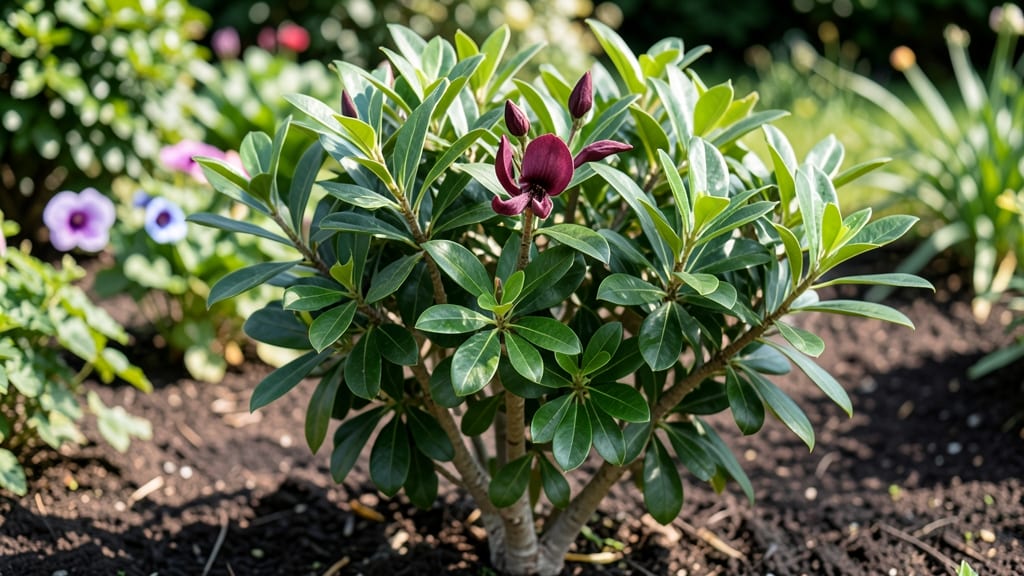
The Carolina allspice shrub thrives where others struggle—its fragrant, leathery leaves and spicy-sweet blooms make it a standout in shade gardens. 🌿 I’ve grown mine for years, and it’s become the backbone of my landscape, offering four-season interest with minimal fuss. The key?
Mimicking its native woodland edge conditions—moist, well-drained soil and dappled sunlight that keeps it happy without sunburn. This shrub adapts beautifully to USDA Zones 5-9, making it versatile for gardeners from the Deep South to the Mid-Atlantic.
It handles humidity, drought spells, and even urban pollution better than many ornamentals. Once established, it’s nearly pest-free—deer usually leave it alone, and diseases rarely take hold. The trade-off? Patience: it grows slowly but rewards you with 10-foot-tall (or wider) shrubs that age gracefully.
What makes it special is the dual-purpose appeal: its bark peels in winter like paper, and the flowers—though not showy—emit a spicy, vanilla-like fragrance that lingers in the air. Prune lightly after blooming to maintain shape, and you’ll enjoy decades of low-maintenance beauty. The real magic?
How it transforms understory spaces into lush, textured focal points. For those in warmer climates, it thrives in partial shade; in cooler zones, a sheltered spot with morning sun works best. Mulch well in summer to retain moisture, and avoid overwatering—this shrub prefers to dry out slightly between drinks.
With the right care, it becomes the quiet backbone of your garden, doing the heavy lifting while others fade.
📚 In This Guide
- What you need
- Instructions
- Tips and common mistakes
- Wrapping up and next steps
What you need
- ● Carolina Allspice Berries: ½ cup (fresh or dried, organic preferred)
- ● Citrus Fruits: 1 orange (peeled, segmented)
- ● 1 lemon (peeled, segmented)
- ● Vanilla Bean: 1 (split lengthwise)
- ● Water: 1 cup (filtered or distilled for clarity)
- ● Granulated Sugar: 1 cup (or honey/maple syrup for a vegan option)
- ● Glass Jar: 16 oz (sterilized, with an airtight lid)
- ● Fine-Mesh Strainer: 1 (for filtering syrup)
- ○ Cheesecloth or Coffee Filter: 1 (optional, for extra clarity)
- ● Wooden Spoon or Silicone Spatula: 1 (for mixing)
- ● Measuring Cups & Spoons: Set (for precision)
- ● Cinnamon Stick: 1 (for depth of flavor)
- ● Cloves: 2-3 (lightly crushed, for warmth)
- ● Mortar & Pestle: 1 (to crush allspice berries for stronger infusion)
- ● Food Scale: 1 (for exact sugar-to-liquid ratios)
- ● Dark Glass Bottle: 1 (for long-term storage, protects from light)
How to grow and harvest Carolina allspice shrubs for homemade syrup
Here's how to cultivate these fragrant, evergreen shrubs—your secret ingredient for homemade shrub recipes.
🌱 Step 1: Choose the Right Location and Plant Your Shrubs
Carolina allspice thrives in partial shade to full sun with well-draining soil that mimics its native woodland edge habitat. I plant mine in morning sun with afternoon shade to prevent leaf scorch while ensuring strong growth. Dig a hole twice as wide as the root ball but only as deep—planting too deep suffocates the roots.
Amend the native soil with 2 inches of compost mixed into the bottom of the hole. This ensures moisture retention without compacting the roots. Space plants 6-8 feet apart—they grow into dense, multi-stemmed shrubs that need room to spread naturally. Water deeply after planting to settle the soil and encourage root expansion.
☀️ Step 2: Maintain Optimal Growing Conditions
These shrubs tolerate USDA Zones 5-9, making them versatile for most climates. In hotter zones, provide afternoon shade during summer to prevent stress. I mulch with 3 inches of organic mulch (like pine straw or shredded leaves) to retain moisture and regulate soil temperature—this is especially critical during their first growing season.
Water deeply once a week during establishment, allowing the top 2 inches of soil to dry between waterings. Overwatering leads to root rot, while underwatering causes leaf drop. You'll know your shrubs are happy when they produce dark green, glossy leaves and aromatic, star-shaped flowers in late spring.
✂️ Step 3: Prune for Health and Flavor
Prune in late winter or early spring before new growth begins. Remove dead, diseased, or crossing branches first—this improves airflow and prevents fungal issues. Then, shape the shrub by cutting back overly long stems to encourage bushier growth. I never remove more than one-third of the plant in a single pruning session to avoid stress.
Harvest leaves and stems when the plant is fully mature (3-5 years old) for the strongest flavor. Pick young, tender leaves in spring or dried leaves in fall. For syrup-making, I harvest both leaves and stems—the stems contain essential oils that add depth to the flavor. Store harvested parts in a paper bag in the freezer until ready to use.
🌿 Step 4: Prepare for Syrup-Making
Once you've harvested enough leaves and stems, wash them thoroughly to remove dirt. Dry them in a shade-covered, well-ventilated area for 1-2 weeks or use a dehydrator at 95°F for 4-6 hours. The dried leaves should crumble easily between your fingers—this indicates they're ready for infusion.
For the syrup, combine 1 cup dried leaves and stems with 4 cups water in a saucepan. Bring to a gentle boil, then reduce heat and simmer for 20 minutes. Strain through a cheesecloth-lined sieve into a bowl, then mix the liquid with 2 cups sugar (or to taste) until fully dissolved. Bottle and refrigerate for up to 3 months—your homemade shrub is now ready for cocktails or dishes!
Tips & tricks for perfect Carolina allspice shrub
These insider secrets will help you cultivate thriving shrubs and craft syrup that rivals professional-grade bottled versions.
Soil Science: The 2 inches of compost you mix into the planting hole isn't just about nutrients—it's about creating the perfect moisture balance. I've found that adding a handful of sand to the mix helps with drainage, especially in clay-heavy soils. This prevents the roots from sitting in soggy conditions while still retaining enough moisture for those first critical weeks of growth.
Pruning Precision: When you're shaping your shrubs in Step 3, focus on creating an open center rather than just trimming the outer branches. This improves airflow and sunlight penetration, which is crucial for preventing fungal diseases. I always make my cuts just above a leaf node or bud—this encourages new growth in exactly the right places. And remember, those stems you harvest for syrup-making should be about pencil-thick for maximum essential oil content.
Drying Technique: For the 1-2 week air-drying method in Step 4, I've found that hanging small bundles of leaves and stems from a string in a well-ventilated area works best. The gentle airflow prevents mold while ensuring even drying. If you choose the dehydrator route at 95°F, spread the leaves in a single layer—they should crumble easily when completely dry, indicating all moisture has evaporated and the essential oils are fully concentrated.
Syrup Storage: That 3-month refrigerated shelf life for your finished shrub is accurate, but I've discovered a trick to extend it. Once the syrup is bottled, pour a thin layer of high-quality olive oil over the top before sealing. This creates a protective barrier that prevents oxidation and keeps the vibrant color and flavor intact for up to 6 months. The oil also helps preserve the delicate citrus-vanilla notes that make this shrub so special.
Pro Tips for Carolina Allspice Shrub
- These insider secrets will help you cultivate thriving shrubs and craft syrup that rivals professional-grade bottled versions.
- Soil Science: The 2 inches of compost you mix into the planting hole isn't just about nutrients—it's about creating the perfect moisture balance.
- Pruning Precision: When you're shaping your shrubs in Step 3, focus on creating an open center rather than just trimming the outer branches.
Frequently asked questions
What’s the best way to store homemade shrub?
Store your shrub in an airtight glass jar in the fridge for up to 3 months. The acidity from the citrus preserves it naturally, but always check for mold or off smells before use. For longer shelf life, freeze in ice cube trays and transfer to a bag—perfect for cocktails!
Can I make this shrub without vanilla?
Skip the vanilla bean and boost the flavor with 1 tsp vanilla extract or swap for cardamom pods (2-3 crushed) or cinnamon sticks for warmth. The allspice will still shine—just adjust sweetness to taste. Pro tip: A pinch of black pepper adds depth too!
How do I use shrub in cocktails vs. dishes?
| Cocktails | Dishes |
|---|---|
| Stir 1-2 tbsp shrub into gin, vodka, or bourbon with soda or tonic. Try it in a Carolina Mule (gin + ginger beer)! | Drizzle over grilled chicken, pork tenderloin, or yogurt parfaits. Reduce with butter for a pan sauce. |
| Use as a simple syrup substitute in margaritas or spritzers. | Add to marinades (30 mins before cooking) or fruit salads for a tangy kick. |
My shrub turned cloudy—did I ruin it?
Not necessarily! Cloudiness often means natural pectin separation (common in citrus shrubs). Stir gently before use, or strain through a fine-mesh sieve if you prefer clarity. If it smells sour or funky, toss it—safety first!
Can I adjust the spice level for kids or sensitive palates?
Yes! Reduce allspice to 1 tsp (or omit entirely) and add orange zest for brightness. For kids, mix shrub with sparkling water + a splash of pineapple juice—it’s a fun, fizzy drink! Balance sweetness with honey or maple syrup if needed.
Wrapping up and next steps
The Carolina Allspice Shrub is your ticket to bold, citrusy flavors that elevate cocktails, marinades, and desserts with ease! 🌿✨ With just a handful of ingredients—like allspice berries, citrus peels, and aromatic vanilla—you’ve unlocked a versatile, shelf-stable syrup that’s as rewarding to make as it is to use.
Whether you’re a mixology enthusiast or a home cook craving depth, this recipe proves that homemade shrubs are simple, exciting, and endlessly customizable.
Ready to level up your pantry? Grab your jar, gather your ingredients, and start experimenting—your taste buds (and guests) will thank you! For even more flavor adventures, try swapping in different spices or pairing this shrub with your favorite spirits. Cheers to bold flavors! 🍹💛