
Shrubs
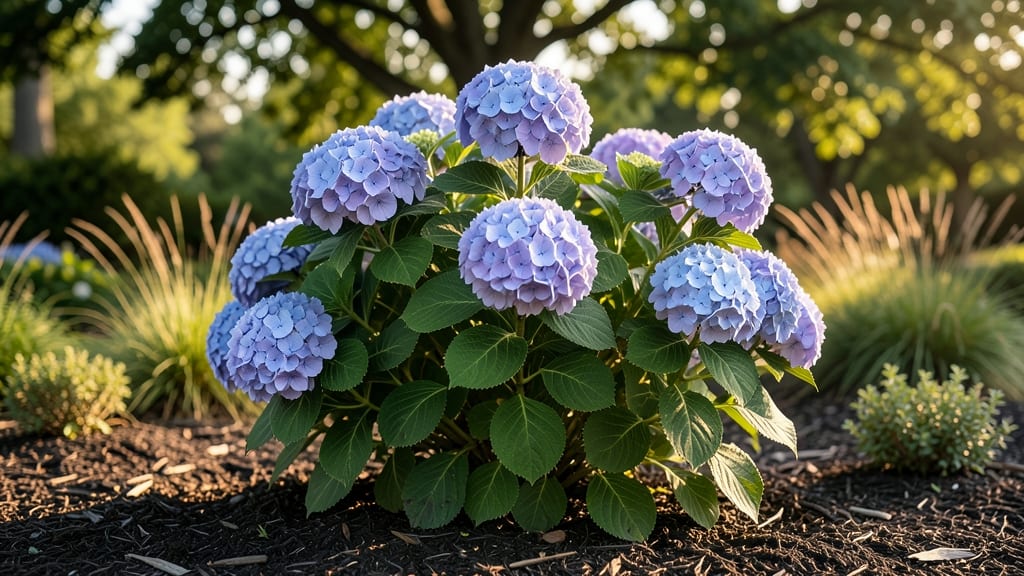
The bridal veil shrub creates a dreamy, fragrant curtain that turns any garden into a romantic escape. 🌿 Its delicate white blooms and silvery foliage transform borders, hedges, or focal points into something straight out of a storybook—especially when planted near pathways or arbors where you can brush against the fragrant petals.
This shrub thrives in partial shade to full sun, making it perfect for cottage gardens, wedding venues, or even as a fragrant hedge along driveways.
Pair it with roses for a classic combo or mix in lavender for a soothing, purple-and-white palette that blooms from early summer through fall—and sometimes even into winter. What makes it truly special is how it softens hard edges while adding texture and movement.
Imagine the scent wafting through your garden on a warm afternoon, or the way it frames a seating area with its graceful, arching branches. The possibilities for creating intimate, fragrant spaces are endless. For best results, plant it in well-drained soil and prune lightly after blooming to encourage fuller growth.
It’s the kind of shrub that makes every season feel like a celebration.
📚 In This Guide
- What you need
- Instructions
- Tips and common mistakes
- Wrapping up and next steps
What you need
- ● Bridal Veil Shrub (Hymenosporum flavum) – 1-3 plants (depending on desired coverage; spacing 4–6 ft apart for mature growth).
- ● Well-draining potting mix – 1 bag (40 lb) (or blend of 60% peat moss, 30% perlite, 10% compost).
- ● Garden gloves – 1 pair (to protect hands from thorns and soil).
- ● Trowel or shovel – 1 (for planting and soil prep).
- ● Watering can or hose with gentle nozzle – 1 (avoid overwatering!).
- ○ Mulch (optional but recommended) – 2–3 bags (pine bark or shredded leaves to retain moisture).
- ● Sunlight access – Full sun to partial shade (6+ hours/day) for optimal blooms.
- ● Moist, acidic soil (pH 5.0–6.5) – Test soil or amend with sulfur if needed.
- ● Pruning shears – 1 pair (for shaping and deadheading).
- ● Fertilizer (balanced 10-10-10 or acidic shrub fertilizer) – 1 bottle (apply in spring).
- ○ Stakes or trellis (optional) – 2–4 (if supporting young plants or training growth).
Step-by-Step guide to planting and caring for a bridal veil shrub
This delicate, fragrant shrub thrives with the right placement and care—here's how to grow one that blooms beautifully.
🌱 Step 1: Choose the Perfect Planting Location
Bridal veil shrubs (Hydrangea paniculata) need full sun to partial shade—at least 4-6 hours of direct sunlight daily. I always pick a spot with morning sun and afternoon shade to prevent leaf scorch, especially in hotter climates. The soil should drain well but retain moisture, so avoid low-lying areas where water pools.
Test your soil by digging a 6-inch hole—if water sits in it after 10 minutes, amend with compost or organic matter to improve drainage. A slightly acidic to neutral pH (6.0-7.0) works best, so if your soil is heavy clay, mix in 2-3 inches of compost before planting.
🪴 Step 2: Plant with Proper Spacing and Depth
Dig a hole twice as wide as the root ball but only as deep as the container. Gently remove the shrub from its pot, loosen any circling roots with your fingers, and place it in the hole so the top of the root ball sits 1 inch below soil level. This ensures stability and prevents water from pooling around the stem.
Backfill with native soil mixed with half compost or peat moss to improve fertility. Press gently around the base to remove air pockets but don’t compact too firmly—roots need room to spread. Water deeply right after planting to settle the soil and eliminate air gaps.
☀️ Step 3: Water and Mulch for Long-Term Health
Water your bridal veil shrub 1-2 inches per week, more in hot, dry weather. The key is consistent moisture—let the top 2 inches of soil dry out between waterings to prevent root rot. I use a soaker hose or drip irrigation to deliver water slowly at the base, avoiding wetting the leaves to reduce fungal diseases.
Spread 2-3 inches of mulch around the base, keeping it 3 inches away from the stem. Organic mulch like shredded bark or pine needles retains moisture, regulates soil temperature, and slowly enriches the soil as it breaks down. Replenish mulch annually to maintain its protective layer.
✂️ Step 4: Prune for Shape and Encourage Blooms
Prune your bridal veil shrub in late winter or early spring before new growth begins. Remove any dead, diseased, or crossing branches first, then cut back last year’s growth by one-third to encourage bushier growth and more blooms. I always use clean, sharp pruners to make cuts just above a leaf node or bud.
For shaping, prune lightly throughout the growing season to maintain your desired form. Avoid heavy pruning in fall—this shrub blooms on new wood, so late cuts can reduce next year’s flowers. After pruning, apply a balanced fertilizer to support new growth.
🌿 Step 5: Maintain Year-Round Beauty and Fragrance
Bridal veil shrubs are low-maintenance but appreciate a little attention. In early spring, apply a slow-release fertilizer to promote healthy foliage and abundant blooms. Throughout the season, monitor for pests like aphids or spider mites—spray with water or use insecticidal soap if needed.
In fall, remove any spent blooms but leave the seed heads for winter interest. This shrub’s fragrant blooms and lush foliage make it a standout in any landscape. With proper care, it will reward you with year-round interest, from spring’s fresh growth to winter’s architectural branches.
Tips & tricks for perfect bridal veil shrub care
Took me years to figure out these small details that make all the difference with Hydrangea paniculata—here's what nobody tells you.
Location Intelligence: That 4-6 hours of sunlight isn't just about quantity—it's about timing. I've seen shrubs thrive with morning sun and afternoon shade in hot climates, but struggle when exposed to intense afternoon rays. If you're in a particularly hot area, consider a spot with dappled shade during peak sun hours (around 11 AM to 3 PM). This prevents leaf scorch while still giving them enough light to bloom beautifully.
Root Ball Rescue: When loosening circling roots in Step 2, don't just pull them apart—gently tease them with your fingers. I learned this the hard way after seeing roots break during transplanting. If you notice roots growing in circles, make small vertical cuts with a clean knife to encourage outward growth. This helps the shrub establish faster and reduces transplant shock.
Watering Wisdom: The 1-2 inches per week guideline is perfect, but timing matters just as much. Water in the morning so leaves have time to dry before evening—this prevents fungal diseases. I've seen powdery mildew develop when people water in the evening, especially in humid climates. A simple rain gauge helps track your watering, and remember that 2 inches is about the width of your index finger.
Pruning Precision: That one-third cut back in Step 4 isn't arbitrary—it's based on the shrub's natural growth pattern. Cut just above a leaf node or bud at a 45-degree angle to encourage new growth. I always prune on a dry day to prevent spreading diseases through fresh cuts. For larger branches, make a second cut slightly below the first to avoid tearing the bark.
Pro Tips for Bridal Veil Shrub
- Took me years to figure out these small details that make all the difference with Hydrangea paniculata—here's what no...
- Location Intelligence: That 4-6 hours of sunlight isn't just about quantity—it's about timing. I've seen shrubs thriv...
- Root Ball Rescue: When loosening circling roots in Step 2, don't just pull them apart—gently tease them with your fin...
Frequently asked questions
Got questions about the elegant Bridal Veil Shrub? You’re not alone!
Here are some of the most common inquiries—plus expert answers to help you grow this fragrant, ever-blooming beauty with confidence.
When is the best time to plant a Bridal Veil Shrub?
The ideal time to plant your Bridal Veil Shrub is in early spring or fall when temperatures are mild. This gives the roots time to establish before extreme heat or cold sets in. Avoid planting in summer’s peak—it can stress the shrub and stunt growth. Pro tip: Water deeply after planting to help settle the soil!
How do I keep my Bridal Veil Shrub blooming all year?
To encourage year-round blooms, prioritize well-draining soil, regular pruning, and balanced fertilization. Trim back spent flowers lightly after each bloom cycle to promote new growth. Use a slow-release fertilizer in early spring and mid-summer, and avoid overwatering—this shrub thrives in moderate moisture but hates soggy roots.
What can I do if my Bridal Veil Shrub isn’t blooming?
Lack of blooms often signals nutrient deficiency, improper light, or over-pruning. Check if it’s getting 6+ hours of sunlight daily—partial shade may limit flowers. Feed it with a phosphorus-rich fertilizer (like 10-20-10) in spring, and avoid heavy pruning in late summer/fall, which can cut off next year’s buds.
Are there alternatives to Bridal Veil Shrub for fragrant, low-maintenance shrubs?
If you love the fragrance but want variety, consider these low-maintenance, ever-blooming options:
- Gardenia – Creamy blooms and intoxicating scent (needs acidic soil).
- Jasminum (Jasmine) – Climbing vine with star-shaped, highly fragrant flowers.
- Dwarf Yaupon Holly – Evergreen with red berries and mild fragrance.
- Abelia – Tough, blooms spring to fall, and thrives in partial shade.
Why are the leaves on my Bridal Veil Shrub turning yellow?
Yellowing leaves usually mean overwatering, nutrient deficiency, or root issues. First, check the soil—it should be slightly moist but not waterlogged. If the soil feels compacted or smells sour, improve drainage. Yellowing at the edges often signals underwatering, while uniform yellow may indicate iron deficiency. A chelated iron supplement can help, or adjust pH if soil tests acidic.
Wrapping up and next steps
Transforming your garden into a fragrant, ever-blooming sanctuary is easier than you think with the bridal veil shrub! 🌸 Its delicate blooms and year-round charm make it a standout choice for adding elegance and beauty to any outdoor space.
Whether you're a seasoned gardener or just starting out, this shrub offers low-maintenance beauty with high-impact results.
Ready to elevate your garden? Start by selecting the perfect spot—one with well-draining soil and partial shade—and follow the care tips shared above. Before you know it, you’ll be enjoying a lush, fragrant canopy that turns heads and fills the air with sweetness! 🌿✨