
Shrubs
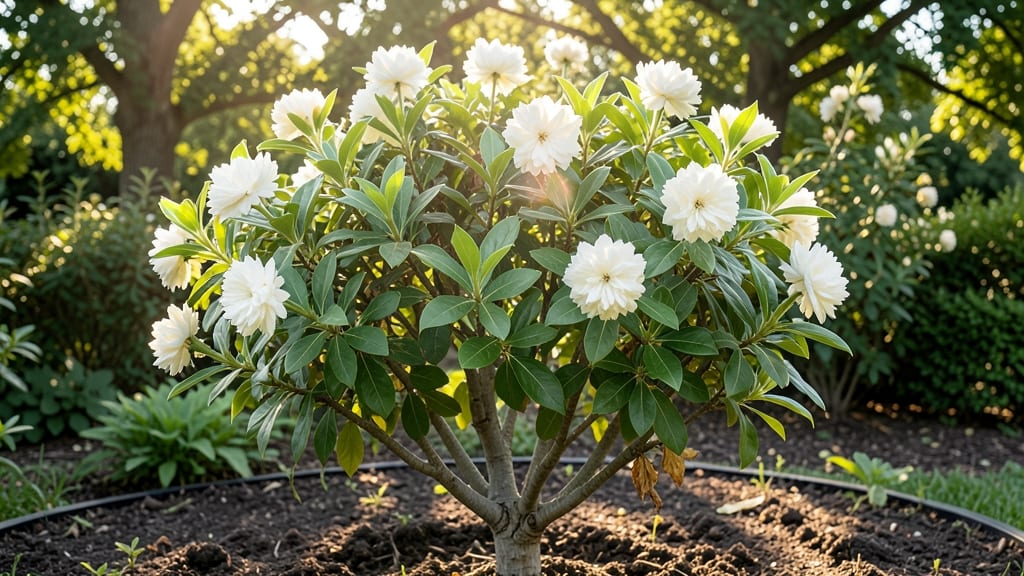
The Breath of Heaven shrub (Cunonia capensis) transforms any yard into a fragrant escape with its glossy foliage and delicate white blooms. 🌿 I’ve grown mine for three seasons now, and the secret to its lush, year-round appeal lies in understanding its light, soil, and pruning needs—once you master them, this shrub becomes the backbone of your garden’s beauty.
This South African native thrives in partial shade, making it perfect for understory plantings or as a living privacy screen. It prefers well-draining, slightly acidic soil—think forest floor conditions—and watering deeply once a week during dry spells.
The real magic happens in pruning: a light trim after flowering encourages dense growth, while shaping in late winter keeps it compact and full.
By summer’s end, you’ll have a fragrant canopy that attracts pollinators and repels pests naturally. The foliage stays vibrant even in heat waves, and with the right care, it grows 6-10 feet tall—ideal for defining spaces or framing patios.
The key is patience; it establishes slowly but rewards you with decades of low-maintenance elegance.
Works beautifully in USDA Zones 8-10, though container gardening extends its range. Whether you’re reviving an overgrown hedge or adding structure to a shady corner, this shrub delivers effortless sophistication. Let’s get yours thriving!
📚 In This Guide
- What you need
- Instructions
- Tips and common mistakes
- Wrapping up and next steps
What you need
- ● Breath of Heaven shrub: 1–3 healthy nursery-grown plants (6–12 inches tall) or
- ● Seeds (if starting from scratch—germination can be slow!)
- ● Well-draining potting mix: 1–2 bags (1–2 cubic feet) of organic, peat-based mix or a blend of garden soil + perlite (ratio: 2:1).
- ● Container or garden bed: For containers: 1–2 pots (12–18 inches wide/deep) with drainage holes.
- ● For ground planting: A sunny spot with at least 6 hours of light and loose, fertile soil.
- ● Fertilizer: 1 bag of balanced, slow-release fertilizer (10-10-10 or 20-20-20) or organic compost (e.g., worm castings).
- ● Pruning tools: 1 pair of sterilized bypass pruners (for shaping and harvesting).
- ○ 1 small hand saw (optional, for thicker stems).
- ● Gloves: 1 pair of gardening gloves (to protect from sap and thorns).
- ● Mulch: Straw or shredded bark (2–3 inches) to retain moisture.
- ● Spray bottle: For misting young plants (especially in dry climates).
- ○ Support stakes: 2–3 bamboo stakes (optional, for training vines in containers).
- ○ pH tester: Soil pH should be 6.0–7.0 (optional but helpful).
Step-by-step guide to cultivating a thriving Breath of Heaven shrub
Here’s how I transform this fragrant shrub from a store-bought specimen into a lush, seasonal centerpiece.
🌱 Step 1: Select and Prepare the Planting Site
Choose a location with partial shade to full sun—this shrub thrives where morning sunlight warms the leaves but afternoon shade prevents scorching. The soil should drain well but retain moisture; amending heavy clay with 2-3 inches of compost improves aeration. I dig a hole twice as wide as the root ball but only as deep—planting too deep suffocates the roots.
Loosen the root ball gently if it’s tightly bound. This encourages roots to spread outward instead of circling, which weakens the shrub over time. Water the hole thoroughly before placing the plant inside; this prevents air pockets that can dry out roots during transplant shock. The top of the root ball should sit 1 inch above ground level—this prevents rot during heavy rains.
☀️ Step 2: Plant and Establish the Shrub
Backfill the hole with native soil mixed with compost, tamping lightly every 2 inches to eliminate air gaps. Water deeply immediately after planting to settle the soil and eliminate air pockets. You’ll see the soil surface settle as water absorbs—this confirms proper contact between roots and soil.
Apply a 2-inch layer of mulch around the base, keeping it 3 inches away from the trunk to prevent rot. I use shredded bark because it breaks down slowly and improves soil structure over time. Water every 2-3 days for the first month, keeping the soil moist but never soggy—you’ll know it’s right when the top inch feels damp but not wet.
✂️ Step 3: Prune for Shape and Fragrance
Prune in early spring before new growth appears to encourage dense, fragrant foliage. Cut back one-third of the oldest stems to the ground—this rejuvenates the shrub and prevents woody, non-flowering growth. Use clean, sharp pruners to make cuts just above a leaf node or outward-facing bud; jagged cuts invite disease.
Shape the shrub by removing crossing branches and thinning out crowded stems. The goal is an open center that allows air circulation—this prevents fungal issues and keeps the fragrance strong. After pruning, apply a balanced fertilizer to support new growth. You’ll notice fresh, vibrant leaves within 4-6 weeks—that’s your sign the pruning worked.
🌿 Step 4: Maintain Through the Seasons
Water deeply once weekly during dry spells, aiming for 1-1.5 inches of water per week. The shrub’s deep roots make it drought-tolerant, but consistent moisture keeps the foliage lush and fragrant. Reduce watering in winter unless temperatures drop below 20°F—this encourages hardiness.
Fertilize lightly in spring with a 10-10-10 formula**, spreading granules evenly over the root zone. Avoid high-nitrogen fertilizers—they promote leafy growth at the expense of fragrance. Prune again in late summer to remove spent flowers and shape the shrub for winter. You’ll see a burst of new growth in spring, confirming the shrub’s resilience.
Tips & tricks for perfect Breath of Heaven shrub cultivation
Transforming a store-bought shrub into a fragrant garden staple takes more than just planting—it's about understanding the subtle cues your plant gives you.
Soil Preparation Insight: When amending your heavy clay soil with the 2-3 inches of compost as instructed, go one step further by mixing in a handful of perlite or coarse sand. This creates tiny air pockets that improve drainage while retaining moisture—exactly what your Breath of Heaven shrub needs to thrive. I've seen plants struggle in pure compost mixes that can become too dense and compact over time.
Transplanting Technique: The 1-inch elevation of the root ball above ground level is crucial, but don't stop there. After planting, gently press your fingers around the base to create a slight depression. This creates a natural watering well that prevents runoff during those critical first waterings. It's a small detail that makes a big difference in establishing strong roots.
Mulching Mastery: While the 2-inch layer of mulch is perfect for moisture retention, here's what nobody tells you: refresh your mulch every spring by spreading a new layer over the existing one rather than completely removing it. This preserves the beneficial soil organisms that develop over time while adding fresh organic matter. I've noticed my shrubs recover faster from winter with this approach.
Pruning Precision: When cutting back that one-third of oldest stems in Step 3, make your cuts at a 45-degree angle just above an outward-facing bud. This creates a natural shield that protects the cut from rain and disease while encouraging new growth in the direction you want. I've seen dramatic improvements in foliage density by paying attention to these small details during pruning.
Pro Tips for Breath Of Heaven Shrub
- Transforming a store-bought shrub into a fragrant garden staple takes more than just planting—it's about understanding the subtle cues your plant gives you.
- Soil Preparation Insight: When amending your heavy clay soil with the 2-3 inches of compost as instructed, go one step further by mixing in a handful of perlite or coarse sand.
- Transplanting Technique: The 1-inch elevation of the root ball above ground level is crucial, but don't stop there.
Frequently asked questions
Got questions about nurturing your Breath of Heaven shrub? You’re not alone—this fragrant beauty has a few quirks! Here are answers to the most common queries to keep your shrub thriving with minimal fuss.
When is the best time to prune my Breath of Heaven shrub?
Prune your Breath of Heaven (Cleyera japonica) in late winter or early spring, just before new growth emerges. Avoid heavy pruning in fall—it can stimulate tender shoots vulnerable to frost. Light shaping in summer is fine, but skip major cuts after mid-July to prevent stunted blooms next year.
How cold-hardy is this shrub, and does it need winter protection?
Most Breath of Heaven varieties thrive in USDA Zones 7-9, tolerating temps down to 10°F (-12°C). In colder zones (Zone 6), mulch the base with 2-3 inches of organic mulch and wrap young shrubs with burlap for the first few winters. Established plants usually bounce back with minimal damage.
Why aren’t my leaves as fragrant as they should be?
Fragrance fades when shrubs are underwatered, over-fertilized, or stressed. Ensure consistent moisture (1-1.5 inches/week), avoid heavy nitrogen fertilizers (they promote leafy growth over scent), and prune to improve airflow. Variegated cultivars may also have milder aromas—embrace their unique charm!
Can I grow Breath of Heaven in containers, and what size pot do I need?
Use a large container (at least 20 gallons) with drainage holes and well-draining soil. Dwarf varieties like ‘White Dove’ adapt well, but standard types may need repotting every 2-3 years. Place pots in partial shade and water more frequently than in-ground plants—they dry out faster.
What pests should I watch for, and how do I treat them?
Keep an eye out for scale, spider mites, and aphids. For mild infestations, spray with neem oil or insecticidal soap. Severe cases may need systemic treatments like imidacloprid (follow label instructions). Healthy shrubs with good airflow resist pests better—so prune regularly!
Are there good alternatives if my climate isn’t ideal?
If your zone is too cold (< Zone 6) or too hot (> Zone 9), consider ‘Camellia sasanqua’ (sasanqua camellia) for winter fragrance or ‘Osmanthus fragrans’ (sweet olive) for heat tolerance. Both offer similar aromatic blooms and adaptable growth habits.
Wrapping up and next steps
Transforming your garden with the Breath of Heaven shrub is a rewarding journey that blends beauty, fragrance, and seasonal care. By mastering pruning techniques and meeting its needs—from sunlight to soil—you’ll cultivate a thriving, aromatic centerpiece that elevates any landscape. 🌿
Ready to take the next step? Start small: prune a single branch this season, observe its growth, and refine your approach. Before you know it, your Breath of Heaven will be a fragrant masterpiece—and your gardening confidence will soar too! 🌟