
Succulent
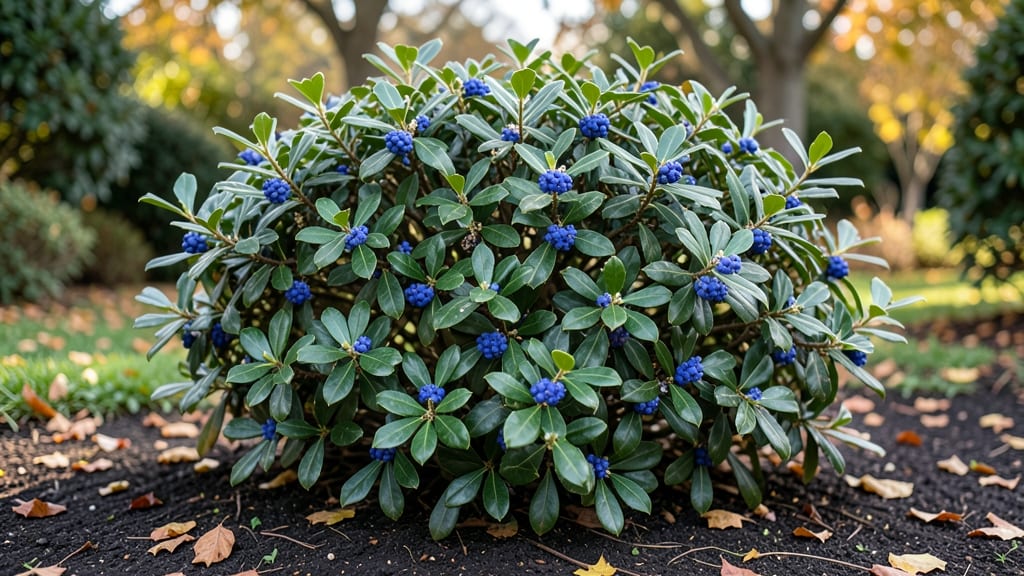
Growing a Blue Prince holly shrub means adding year-round structure and fragrance to your landscape with minimal fuss. 🌿 This evergreen stands out with its striking blue-green foliage and glossy red berries, but its real magic is how effortlessly it thrives—once planted, it needs little more than good soil and occasional pruning to stay lush.
The secret to its success starts with the right spot: full sun to partial shade and shelter from harsh winds. Too much shade dulls the foliage color, while too much sun can scorch leaves in hot climates.
Amend heavy clay soil with compost to improve drainage, and water deeply once a week during the first growing season to establish strong roots. By late summer, you’ll notice new growth with that signature blue-green hue, and by winter, clusters of berries will add color when other plants fade.
Prune lightly in early spring to shape the shrub, and watch as it becomes a fragrant, low-maintenance focal point that neighbors will envy. Even in small spaces, this holly adapts—just give it 5-6 feet of width at maturity. The best part?
It repels deer and resists most pests, making it a foolproof choice for both beginners and seasoned gardeners.
📚 In This Guide
- What you need
- Instructions
- Tips and common mistakes
- Wrapping up and next steps
What you need
- ● Blue Prince Holly plant: 1 nursery-grown sapling (3–5 gallons in container or 1–2 ft tall for transplanting).
- ● Well-draining potting soil: 1–2 bags (look for a mix labeled for acid-loving plants, like azaleas or rhododendrons).
- ● Garden gloves: 1 pair (to protect your hands from thorns and soil).
- ● Trowel or hand shovel: 1 medium-sized (for digging and transplanting).
- ● Pruning shears: 1 pair (sterilized, for shaping and maintenance).
- ● Mulch (pine bark or pine needles): 1–2 bags (to retain moisture and acidify soil).
- ● Watering can or hose with a gentle spray nozzle: 1 (for hydration without disturbing roots).
- ● Fertilizer (acid-loving plant food): 1 bottle (balanced formula like 10-10-10 or organic options).
- ○ Container (optional for potted growth): 1 large pot (15–20 gallons) with drainage holes or a garden bed with full sun to partial shade.
- ● Soil pH test kit: To ensure your soil is acidic (pH 4.5–6.0)—critical for Blue Prince Holly.
- ● Slow-release fertilizer spikes: For hassle-free nutrition over time.
- ● Plant support stake: If growing in windy areas (though holly is naturally sturdy!).
- ● Peat moss or sulfur: To adjust soil acidity if needed.
- ● Decorative rocks or edging: For a polished garden bed look.
How to establish a thriving Blue Prince holly shrub
This fragrant evergreen grows with minimal fuss once you nail these three foundational steps.
🌱 Step 1: Select and Prepare the Planting Site
Blue Prince holly thrives in partial shade to full sun (at least 4-6 hours daily), but afternoon shade protects leaves in hot climates. I dig a hole twice as wide as the root ball but only as deep—planting too deep smothers roots. The site needs well-draining soil (amend heavy clay with 2-3 inches of compost if needed).
Test drainage by digging a 6-inch deep hole and filling it with water. If it drains in under 30 minutes, you're good. If it pools, raise the planting area with 1-2 inches of gravel first. Blue Prince holly tolerates pH 4.5-6.0, so acidic soil suits it perfectly—no amendments needed unless your soil tests basic.
🪴 Step 2: Plant and Stake for Stability
Remove the plant from its container and loosen roots if they're circling. Position the shrub so the top of the root ball sits 1 inch above ground level—settling will occur. Backfill with native soil mixed with 1 cup of slow-release fertilizer (10-10-10 ratio works well). Water deeply to eliminate air pockets, then tamp soil gently around the base.
Stake immediately with two 4-foot wooden stakes placed 6 inches from the trunk on opposite sides. Tie with soft garden twine (not wire—it cuts bark) in a crisscross pattern. Blue Prince holly grows 3-4 feet tall and wide, so stakes prevent flopping during establishment. Mulch with 2-3 inches of pine bark (never touch the trunk) to retain moisture and suppress weeds.
☀️ Step 3: Maintain Water and Fertilizer Routine
Water deeply once weekly during the first growing season, aiming for 1-1.5 inches total. Let the top 2 inches of soil dry between waterings—overwatering causes root rot. After establishment (year 2), holly becomes drought-tolerant, but mulch annually to conserve moisture. Fertilize in early spring with ½ cup of 10-10-10 fertilizer per shrub, then again in mid-summer for best growth.
Prune only to shape in late winter (before new growth). Remove 1/3 of the oldest stems at the base annually to encourage dense growth. Blue Prince holly produces fragrant white flowers in spring and bright red berries that persist through winter—both attract pollinators. Watch for holly leaf miner (silver trails on leaves)—treat with neem oil if spotted.
Tips & tricks for perfect Blue Prince holly growth
Between us, establishing a thriving Blue Prince holly isn't rocket science—but these little details make all the difference between a shrub that thrives and one that struggles.
Site Selection Secret: When choosing your planting location, pay special attention to that 4-6 hour sunlight requirement. Morning sun with afternoon shade works beautifully in hotter climates, but if you're in a cooler region, full sun exposure actually enhances those fragrant white flowers. I've seen holly leaves scorch in intense afternoon sun—trust me, it's not pretty.
Root Ball Placement: That 1-inch above ground level positioning isn't just arbitrary—it accounts for natural settling. After planting, the soil will compact slightly, bringing the root ball to the perfect depth. I've made the mistake of planting too deep, and those roots just suffocate. Mark your hole depth with a stake before planting to ensure accuracy.
Staking Strategy: The two 4-foot wooden stakes should be positioned at a 45-degree angle rather than straight up and down. This creates a more stable support system that mimics natural wind resistance. I use soft garden twine because wire cuts into bark—after all, we're nurturing this plant, not strangling it!
Watering Wisdom: That 1-1.5 inches weekly measurement might seem like a lot, but it's crucial for deep root development. I recommend using a rain gauge or measuring cup to track your watering—eyeballing it often leads to either underwatering or overwatering. And remember, the top 2 inches of soil drying between waterings is your moisture guideline, not a hard rule for every single watering.
Pro Tips for Blue Prince Holly Shrub
- Between us, establishing a thriving Blue Prince holly isn't rocket science—but these little details make all the diff...
- Site Selection Secret: When choosing your planting location, pay special attention to that 4-6 hour sunlight requirem...
- Root Ball Placement: That 1-inch above ground level positioning isn't just arbitrary—it accounts for natural settling...
Frequently asked questions
How fast does the Blue Prince Holly grow?
The Blue Prince Holly grows at a moderate pace—about 12 to 24 inches per year under ideal conditions. With consistent care (sunlight, water, and pruning), it can reach 10 to 15 feet tall and 8 to 12 feet wide over time. Pro tip: Plant it where it has room to spread, as it’s a broad shrub!
When is the best time to prune Blue Prince Holly?
Prune your Blue Prince Holly late winter or early spring (before new growth starts) to shape it and encourage dense foliage. Avoid heavy pruning in fall or winter, as this can stress the plant. Troubleshooting: If you see leggy growth, trim back 1/3 of the oldest stems to rejuvenate it.
How often should I water a Blue Prince Holly shrub?
Water your Blue Prince Holly deeply but infrequently—about 1 to 1.5 inches per week during the first year, then reduce to every 2 weeks once established (unless in extreme heat or drought). Watch for: Wilting leaves (overwatering) or crispy edges (underwatering). Mulch helps retain moisture!
Are there any alternatives to Blue Prince Holly with similar berries?
If you love the Blue Prince Holly’s vibrant red berries and glossy leaves, consider these low-maintenance alternatives:
- Dwarf Yaupon Holly (Ilex vomitoria ‘Nana’) – Compact, berry-producing, and drought-tolerant.
- Sky Pencil Holly (Ilex crenata ‘Sky Pencil’) – Narrow, upright, and great for hedges.
- Burkwood Holly (Ilex × ‘Burkwoodii’) – Fast-growing with stunning fall color.
Can Blue Prince Holly survive in cold climates?
The Blue Prince Holly is hardy to USDA Zones 6-9, meaning it tolerates temps down to -10°F (-23°C). In colder zones (Zone 5 or below), plant it in a sheltered spot and mulch heavily. Winter care: Avoid heavy snow buildup on branches—gently brush it off to prevent breakage.
Wrapping up and next steps
The Blue Prince Holly shrub is a stunning, low-maintenance addition to any garden, offering vibrant foliage, fragrant blooms, and year-round interest. With its resilient nature and adaptability, you can enjoy a lush, fragrant canopy with just a few simple steps—perfect for both beginners and seasoned gardeners! 🌿
Ready to transform your outdoor space? Grab your supplies, follow the easy steps, and watch your Blue Prince Holly thrive. Start planting today—your garden will thank you! 🌱