
Succulent
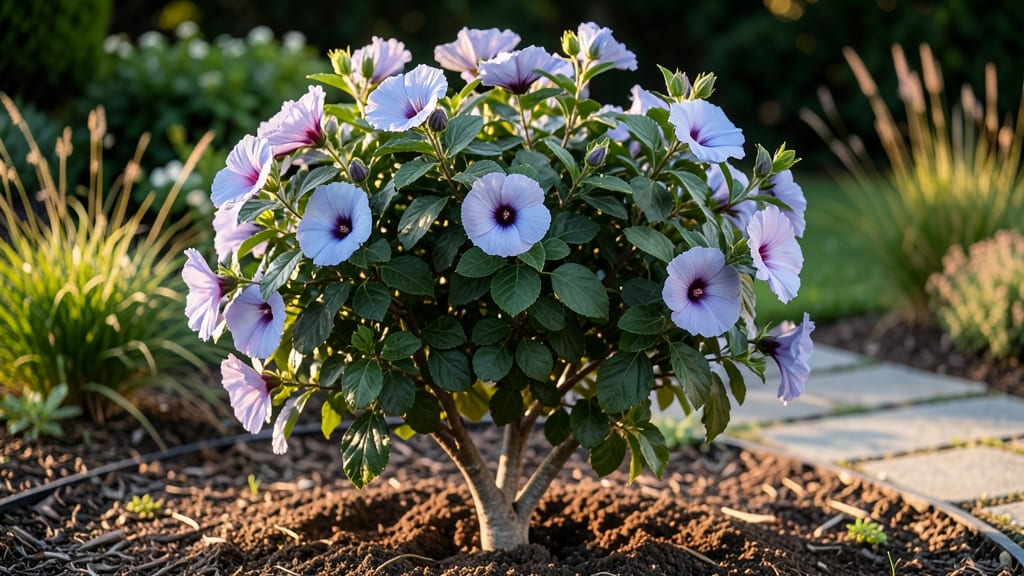
Growing a Blue Chiffon hibiscus shrub transforms your garden into a vibrant, fragrant paradise. 🌸 This striking variety thrives in warm climates and produces stunning blue-pink blooms that last all season—if you get the care right from the start.
I’ve nurtured mine for years, and the secret lies in sun, soil, and a little patience to coax those showstopping flowers. The ideal spot mimics its tropical roots: full sun (6+ hours daily), well-draining soil rich in organic matter, and protection from harsh winds.
Plant in spring after the last frost, spacing shrubs 3–4 feet apart for airflow. Water deeply 2–3 times weekly in dry spells, letting the top inch of soil dry between sessions—overwatering is the #1 killer of these beauties.
With proper pruning (after blooms fade), your Blue Chiffon will reward you with lush foliage and nonstop flowers from summer through fall. Pinch back leggy growth in early spring to encourage bushier shape, and fertilize lightly every 4–6 weeks with a balanced 10-10-10 blend.
The payoff? A shrub so striking, neighbors will ask for cuttings. For troubleshooting, watch for yellowing leaves (often a sign of overwatering) or sparse blooms (usually too much shade or nitrogen-heavy fertilizer). A quick soil test and adjustment keeps them thriving. Ready to grow yours?
📚 In This Guide
- What you need
- Instructions
- Tips and common mistakes
- Wrapping up and next steps
What you need
- ● 1 cup dried blue hibiscus flowers (organic, food-grade, or culinary hibiscus—avoid floral dyes!)
- ● ½ cup fresh lemon juice (about 2–3 lemons, organic preferred)
- ● ½ cup fresh lime juice (about 4–5 limes, organic preferred)
- ● ½ cup raw honey or agave syrup (for vegan option; adjust to taste)
- ● 1 cinnamon stick (or ½ tsp ground cinnamon)
- ○ 2 star anise pods (optional, for depth)
- ● 1 small piece fresh ginger (½-inch slice, peeled)
- ● 1-quart glass jar (with lid, sterilized)
- ● Fine-mesh strainer or cheesecloth
- ● Wooden spoon or spatula (for mixing)
- ● Funnel (for transferring syrup)
- ● Small saucepan (if simmering ingredients)
- ● Measuring cups/spoons (for precision)
- ● Dark glass bottles (for storage, 4–8 oz size)
- ● 1 tsp vanilla extract (for floral notes)
- ● Pinch of salt (enhances flavor balance)
- ● Edible flowers (e.g., pansies or violets, for garnish)
- ● Citrus zest (lemon/lime, for extra aroma)
Step-by-step instructions for cultivating a Blue Chiffon hibiscus shrub
Here's how to grow this stunning hibiscus variety with vibrant blooms and carefree maintenance.
🌱 Step 1: Select and Prepare the Planting Site
Blue Chiffon hibiscus thrives in full sun—choose a location receiving at least 6-8 hours of direct sunlight daily. This variety tolerates heat better than most, so southern exposures work perfectly. I always test the soil first using a pH meter; hibiscus prefers a slightly acidic range of 6.0-6.5. Amend heavy clay soil with 2-3 inches of compost to improve drainage.
Dig a hole twice as wide as the root ball but only as deep. The top of the root ball should sit 1-2 inches above ground level—this prevents waterlogging while keeping the plant stable. Water the hole thoroughly before planting to settle the soil and eliminate air pockets.
💧 Step 2: Plant and Establish the Shrub
Gently remove the plant from its container and loosen the roots if they're circling. Position it in the hole so the root flare (where roots meet stem) is visible above soil level. Backfill with native soil mixed with 1 part compost to improve fertility. Water deeply immediately after planting to eliminate air gaps and encourage root contact with soil.
Mulch around the base with 2-3 inches of organic mulch, keeping it 3 inches away from the trunk to prevent rot. This conserves moisture and regulates soil temperature. The first few weeks are critical—water 2-3 times per week until new growth appears, keeping the soil consistently moist but never soggy.
☀️ Step 3: Provide Ongoing Care for Optimal Blooms
Blue Chiffon hibiscus rewards consistent care with abundant blooms from spring through fall. Fertilize every 4-6 weeks during growing season with a balanced 10-10-10 fertilizer, applying half-strength to avoid burning roots. I switch to a bloom-boosting 5-10-10 formula once buds appear to encourage more flowers.
Prune lightly after the first flush of blooms to shape the shrub and remove any dead or crossing branches. For best results, prune in early spring before new growth begins. Watch for signs of stress—yellowing leaves often indicate overwatering, while crispy edges signal underwatering or excessive heat.
✂️ Step 4: Winter Preparation and Seasonal Maintenance
In colder climates, protect your Blue Chiffon hibiscus by mulching heavily around the base with 4-6 inches of straw or leaves once temperatures drop below 30°F. I also wrap young plants with burlap for extra insulation. In mild winter zones, no protection is needed beyond regular watering when rainfall is scarce.
Spring is the time to refresh the plant. Remove old mulch, add 2 inches of fresh compost to the soil surface, and lightly scratch it into the top layer. This jumpstarts new growth and replenishes nutrients. Watch for aphids or whiteflies—spray with soapy water at first sign of infestation to prevent spread.
Tips & tricks for perfect Blue Chiffon hibiscus care
Common pitfalls—and how to sidestep every one when cultivating this stunning shrub.
The Sunlight Secret: While the instructions call for 6-8 hours of direct sunlight, I've found that morning sun (especially in hotter climates) is gentler on the delicate Blue Chiffon blooms. If you notice leaves curling or wilting in afternoon heat, provide afternoon shade during peak summer months—this prevents stress while maintaining vibrant blooms.
Soil Science: The slightly acidic range of 6.0-6.5 is non-negotiable, but don't stop at just testing—amend with sulfur if your soil tests higher than 7.0. I've seen dramatic improvements in bloom quantity after adding elemental sulfur to raise acidity in alkaline soils. For container gardening, use a mix of 70% potting soil and 30% peat moss to maintain that perfect pH.
Watering Wisdom: Those critical first few weeks demand consistency—2-3 times per week is ideal, but timing matters more than frequency. Water deeply in the morning to allow foliage to dry before evening, preventing fungal issues. I use a moisture meter to check soil moisture before watering; aim for moisture at 2-3 inches deep rather than just keeping the surface damp.
Fertilizer Timing: The switch from 10-10-10 to 5-10-10 when buds appear is crucial, but don't rush it. I've seen premature bud drop when growers switch too early. Wait until you see actual buds forming before making the switch—this ensures the plant directs energy toward blooming rather than foliage growth.
Pro Tips for Blue Chiffon Hibiscus Shrub
- Common pitfalls—and how to sidestep every one when cultivating this stunning shrub.
- The Sunlight Secret: While the instructions call for 6-8 hours of direct sunlight, I've found that morning sun (especially in hotter climates) is gentler on the delicate Blue Chiffon blooms.
- Soil Science: The slightly acidic range of 6.0-6.5 is non-negotiable, but don't stop at just testing—amend with sulfur if your soil tests higher than 7.0.
Frequently asked questions
Got questions about growing, harvesting, or using your Blue Chiffon hibiscus shrub? You’re not alone! Here are some of the most common queries—plus quick, practical answers to keep your plants thriving and your syrup delicious.
How do I know when my Blue Chiffon hibiscus is ready to harvest?
Pick flowers when they’re fully bloomed but still vibrant (usually morning after opening). For syrup, harvest before they wilt—this ensures maximum flavor and color. Avoid over-picking; leave some blooms to encourage regrowth. Pro tip: Harvest early in the day for the freshest petals!
How long does it take for Blue Chiffon hibiscus to mature and produce flowers?
With proper care, expect blooms within 6–12 months from planting (or 3–6 months for potted plants). Young shrubs may take longer—patience pays off! Ensure full sun (6+ hours/day) and well-draining soil to speed up flowering. Bonus: Prune lightly after blooming to encourage bushier growth next season.
Can I substitute Blue Chiffon hibiscus with regular hibiscus for the syrup recipe?
Yes! While Blue Chiffon’s deep blue hue is unique, traditional red or pink hibiscus (like Hibiscus rosa-sinensis) works too—just expect a different color. For a hybrid twist, mix both! Note: Blue Chiffon’s flavor is milder; adjust citrus (lemon/lime) to taste. Warning: Avoid Hibiscus sabdariffa (roselle)—it’s tart and not ideal for syrups.
Why are my hibiscus leaves turning yellow or dropping?
Yellow leaves often signal overwatering or nutrient deficiency. Check soil moisture—hibiscus hate soggy roots! Amend soil with compost and ensure pots have drainage holes. Pests (like aphids or spider mites) can also cause stress. Spray leaves with neem oil if you spot tiny bugs. Fix: Water deeply but infrequently (every 1–2 weeks, depending on climate).
How do I store Blue Chiffon hibiscus syrup long-term?
Store syrup in an airtight glass jar in the fridge for up to 3 months or freeze for 6+ months. For shelf stability, add 1 tsp of citric acid per quart of syrup (extends freshness!). Label with dates! Safety note: Always refrigerate after opening to prevent mold.
What’s the ideal temperature range for growing Blue Chiffon hibiscus?
Thrive in 70–90°F (21–32°C) during the day, with cooler nights (55–65°F / 13–18°C). Avoid frost—these tropical beauties cannot tolerate temps below 40°F (4°C). In cold climates, grow in containers and bring indoors or use row covers. Indoor hack: Place near a sunny window or use grow lights 12+ hours/day.
Wrapping up and next steps
Ready to elevate your mixology and baking game with the Blue Chiffon Hibiscus Shrub?
This vibrant, citrus-blossom-infused syrup is your secret weapon for crafting showstopping cocktails and desserts that taste as good as they look! 🌸 Whether you’re hosting a summer soirée or just treating yourself to a little homemade magic, this recipe is your ticket to bold, refreshing flavors.
Now that you’re equipped with all the tips and answers, roll up your sleeves and get mixing! Share your creations with us—we’d love to see (and taste) your hibiscus-inspired masterpieces. Cheers to your next flavor adventure! 🍹✨