
Shrubs
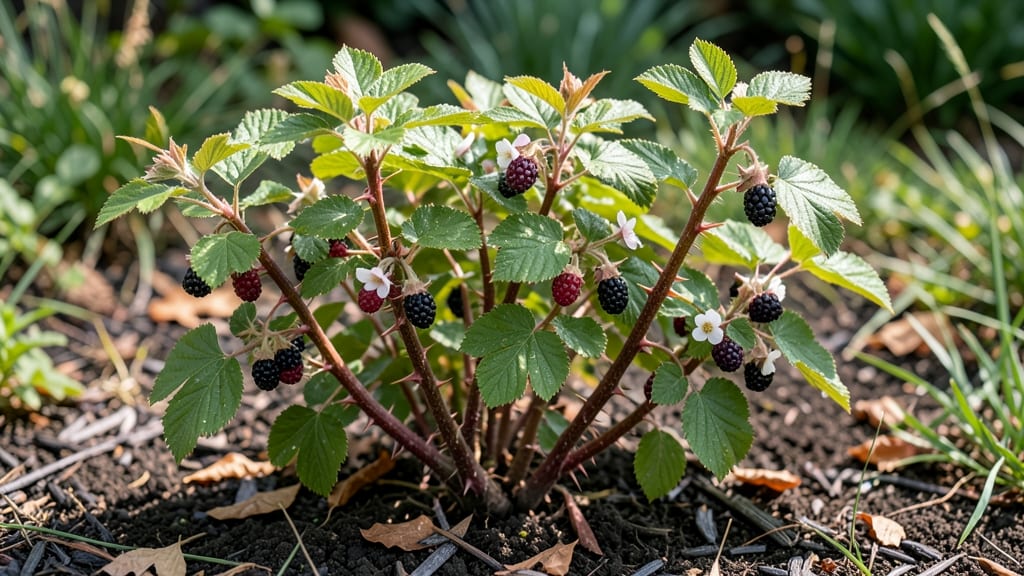
Growing black raspberries means bold, tart-sweet fruit that outshines store-bought varieties. 🌿 These thornless shrubs thrive in cooler climates but need patience—establishing strong canes takes two seasons before heavy harvests. The key? Well-drained soil, consistent moisture, and strategic pruning to encourage fruit-bearing wood.
Start with bare-root plants in early spring, spacing them 6 feet apart for airflow. Mulch heavily to retain moisture and suppress weeds, then prune annually in late winter to remove dead wood and shape the shrub.
With proper care, you’ll harvest 1-2 pounds of fruit per plant by mid-summer, perfect for fresh eating, syrups, or jams.
📚 In This Guide
- What you need
- Instructions
- Tips and common mistakes
- Wrapping up and next steps
What you need
- ● Black raspberries – 2 cups (fresh or frozen). Look for deep purple-black berries at farmers' markets or specialty grocers.
- ● Granulated sugar – 1 cup. White or raw sugar works; avoid artificial sweeteners.
- ● White vinegar – 1 cup (5% acidity). Distilled white vinegar is ideal for balance.
- ● Water – 1 cup. Filtered or bottled water is best for clarity.
- ● Fine-mesh strainer or cheesecloth – For filtering out seeds and pulp.
- ● Clean glass jar or bottle – 16–24 oz capacity. Mason jars or amber glass bottles preserve flavor.
- ● Wooden spoon or spatula – For stirring and mashing berries.
- ● Citrus zest – 1 tsp lemon or lime. Brightens the shrub’s depth.
- ● Fresh herbs – 2–3 sprigs rosemary or thyme. Adds an aromatic twist.
- ● Vanilla bean or extract – 1/2 tsp. For a dessert-friendly touch.
- ● Food-grade plastic or glass funnel – Makes pouring easier.
- ● Label and marker – To track your creation’s date (shrubs last 6–12 months unopened!).
Step-by-step guide to growing black raspberry shrubs
Here's how to cultivate these hardy, productive shrubs for years of bold berries.
🌱 Step 1: Select the Right Location and Prepare Soil
Black raspberries thrive in full sun—choose a spot with at least 6-8 hours of direct sunlight daily. I always test the soil first using a pH kit; they prefer slightly acidic soil (pH 5.5-6.5). If your soil is heavy clay, amend it with 2-3 inches of compost and 1 inch of coarse sand to improve drainage.
Dig a trench 12-18 inches wide and 12 inches deep along the row where you'll plant. This encourages strong root growth and makes harvesting easier. Work the compost into the soil thoroughly—you'll see the difference in plant vigor within weeks.
🪴 Step 2: Plant Bare-Root Canes at the Right Time
Plant bare-root canes in early spring (just as buds begin to swell) or late fall (after leaves drop). Soak the roots in lukewarm water for 2-3 hours before planting to revive them. Space canes 3-4 feet apart in rows 6-8 feet apart—this gives them room to spread and reduces disease spread.
Dig a hole slightly wider than the root ball but no deeper. Position the cane so the crown (where roots meet stem) sits 1-2 inches above soil level. This prevents rot while allowing roots to establish. Backfill with soil and firm gently around the base—don't compact too hard, or you'll restrict root growth.
☀️ Step 3: Mulch and Water for Establishment
Spread 3-4 inches of organic mulch (like wood chips or straw) around each plant, keeping it 3 inches away from the stem to prevent moisture buildup. This conserves soil moisture and suppresses weeds—critical in the first 6-8 weeks while roots establish. Water deeply 2-3 times per week until the soil feels 6 inches down (use your finger to check).
Real talk: Overwatering is the #1 killer of young raspberry canes. You'll know you're doing it right when the soil feels damp but not soggy, and the mulch stays slightly moist on top. Avoid wetting the leaves when watering—this invites fungal diseases like powdery mildew.
✂️ Step 4: Prune for Productivity and Disease Prevention
Prune annually in late winter or early spring before new growth starts. Remove dead, diseased, or weak canes first—cut them at the base. Then, thin the remaining canes to 6-8 of the strongest, most vigorous ones per plant. This ensures energy goes to fruit production, not extra stems.
After harvest, prune again in late summer to remove any canes that produced fruit this year. Black raspberries are primocane-fruiting, meaning they bear on new growth. By cutting old canes, you encourage fresh, productive canes for next season. Always use clean, sharp pruners to prevent spreading disease.
🌿 Step 5: Fertilize and Monitor for Pests/Diseases
Apply a balanced fertilizer (10-10-10) in early spring at ½ the recommended rate—raspberries are light feeders. Side-dress with 1 cup of compost around each plant in late spring for a slow-release boost. Stop fertilizing 6-8 weeks before harvest to avoid bitter-tasting berries.
Watch for Japanese beetles, spider mites, and cane borers—common pests in raspberry patches. I spray neem oil preventively in early summer and handpick beetles when I see them. For diseases like cane blight, remove infected canes immediately and dispose of them (don’t compost!). Healthy plants with good airflow stay disease-free.
Tips & tricks for perfect black raspberry shrub
Let me save you the trial-and-error of balancing that perfect tart-sweet profile in your black raspberry shrub. These small details make all the difference between a good syrup and an extraordinary one.
Harvest Timing: Pick black raspberries when they're fully ripe—deep black color and just slightly soft to the touch. Early morning harvests yield the freshest berries with peak flavor intensity. I always harvest after the morning dew has dried to avoid diluting the syrup with excess moisture.
Simmering Technique: Maintain a gentle simmer (not a rolling boil) throughout the cooking process to preserve the delicate flavors and prevent the syrup from becoming too concentrated. A steady simmer at around 200-210°F is ideal—this is where you'll see small bubbles forming but not vigorous bubbling. If you notice the syrup reducing too quickly, lower the heat slightly to maintain control.
Straining Strategy: After cooking, strain the syrup through a fine-mesh sieve or cheesecloth to remove all seeds and pulp. For an extra-smooth syrup, I double-strain it—first through a coarse sieve to catch large bits, then through a fine sieve or cheesecloth for a silky texture. This step is crucial for cocktails where you want a clean, seed-free sip.
Storage Wisdom: Store your finished shrub in clean, sterilized glass bottles or jars in the refrigerator for up to 3 months. The syrup will continue to develop flavors over time, so don't be afraid to let it age. For longer storage, freeze the shrub in ice cube trays—perfect for adding to drinks as needed. Always use a clean spoon to avoid introducing bacteria that could spoil the syrup.
Pro Tips for Black Raspberry Shrub
- Let me save you the trial-and-error of balancing that perfect tart-sweet profile in your black raspberry shrub.
- Harvest Timing: Pick black raspberries when they're fully ripe—deep black color and just slightly soft to the touch.
- Simmering Technique: Maintain a gentle simmer (not a rolling boil) throughout the cooking process to preserve the delicate flavors and prevent the syrup from becoming too concentrated.
Frequently asked questions
Got questions about crafting your own black raspberry shrub? You’re not alone—this tangy-sweet syrup is packed with flavor but comes with a few common curiosities. Below, we tackle the most frequently asked questions to help you shrink like a pro!
How long does black raspberry shrub last in the fridge?
Your homemade shrub will stay fresh for up to 6 months when stored in an airtight jar in the refrigerator. The vinegar helps preserve it, but always check for mold or funky smells before use. For extra longevity, freeze in ice cube trays and thaw as needed!
Can I make black raspberry shrub without sugar?
Swap sugar for honey, maple syrup, or agave (1:1 ratio) to keep it vegan or lower-glycemic. Just note that honey adds a subtle floral note, while maple syrup deepens the shrub’s caramel undertones. For a zero-sugar option, use monk fruit sweetener, but taste as you go—fruit-forward shrubs can be tart even without sugar.
What’s the best way to use black raspberry shrub in cocktails?
This shrub shines in gin-based drinks (like a Black Raspberry Gin Fizz) or as a sour mix for whiskey sours. For a smoky twist, add ½ oz to a bourbon cocktail with a dash of Angostura bitters. Pro tip: Strain well before mixing to avoid sediment. Start with 1–2 oz per drink and adjust to taste!
What if my black raspberry shrub isn’t tart enough?
If your shrub tastes too sweet, it likely needs more time to steep. Try reinfusing the berries in fresh vinegar for 24–48 hours, then strain and sweeten lightly if needed. For extra tang, add 1 tsp of lemon juice per cup of shrub before bottling. Patience is key—rushed shrubs often lack balance!
Are black raspberries hard to find? What’s a good substitute?
Black raspberries can be tricky to find fresh, but frozen berries work perfectly for shrubs (thaw first). If unavailable, try blackberries, boysenberries, or even black cherries for a deep, jammy flavor. Just adjust sweetness—darker berries tend to be less tart and may need extra sugar or a splash of balsamic vinegar for complexity.
Wrapping up and next steps
Ready to elevate your mixology and baking game with a bold, tangy-sweet black raspberry shrub? 🍒✨ This versatile syrup isn’t just a flavor enhancer—it’s a game-changer for cocktails, desserts, and even savory dishes.
Whether you’re a home chef or a cocktail enthusiast, the key is patience and balance: let those berries steep just right, and don’t shy away from experimenting with ratios to suit your taste.
Now that you’re armed with the know-how, grab those black raspberries and get mixing! Try swirling your shrub into a gin fizz or drizzling it over vanilla ice cream—your taste buds (and Instagram feed) will thank you. Cheers to bold flavors! 🥂