
Shrubs
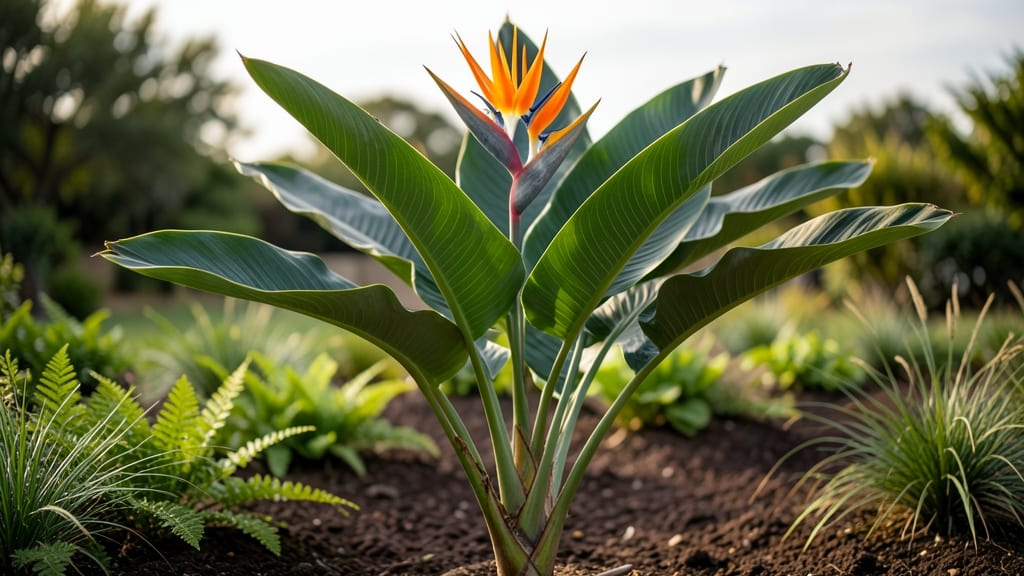
Growing a birds of paradise shrub transforms any space into a tropical paradise—no beach required. ✨ I learned the hard way that these dramatic plants thrive with the right balance of light, water, and patience, and once established, they reward you with fragrant blooms and lush foliage that lasts for decades.
The key to success starts with the right conditions: bright, indirect light (or full sun in warmer climates), well-draining soil, and occasional deep watering.
Unlike many tropical plants, birds of paradise are surprisingly adaptable—indoors near a sunny window or outdoors in zones 9-11, where they can grow into a 10-foot-tall showstopper.
Pruning isn't just about shape—it's about encouraging those iconic orange-and-blue blooms. With three seasonal pruning sessions, you'll keep the plant compact, remove dead growth, and trigger new flowering. The first blooms appear after 3-5 years of care, but the wait is worth it for the exotic beauty they bring.
Even in colder zones, you can grow them in containers and bring them inside for winter. The secret to their longevity? Avoid overwatering and let the soil dry slightly between drinks. Once you get the rhythm, these shrubs become the easiest way to add drama to any garden—or living room.
📚 In This Guide
- What you need
- Instructions
- Tips and common mistakes
- Wrapping up and next steps
What you need
- ● Birds of Paradise Shrub: 1-3 nursery-grown plants (3–5 ft tall, mature size 6–10 ft)
- ● OR seeds (if starting from scratch—germination can take 6+ months!)
- ● OR 3–5 healthy cuttings (4–6 inches long, with nodes)
- ● Well-draining soil mix: 50% native soil (or potting mix for containers)
- ● 30% compost or aged manure (for nutrients)
- ● 20% perlite or coarse sand (to prevent root rot)
- ● Fertilizer: Balanced 10-10-10 granular fertilizer (1 lb per plant)
- ● OR slow-release osmocote (14-14-14, 3 lb bag)
- ● Mulch: 2–3 inches of organic mulch (pine bark, wood chips, or straw)
- ● Garden trowel or shovel (for planting)
- ● Pruning shears (sterilized, sharp blades for clean cuts)
- ● Gloves (thick gardening gloves to protect from thorns if handling cuttings)
- ● Watering can or hose with adjustable nozzle
- ● Measuring tape (to space plants 4–6 ft apart)
- ● pH testing kit (ideal soil pH: 6.0–7.0)
- ● Rooting hormone (for cuttings—speeds up growth!)
- ● Epsom salt (1 tbsp per gallon of water for magnesium boost)
- ● Drip irrigation system (for consistent moisture in dry climates)
- ● Container or raised bed (if growing in pots—minimum 18" diameter)
- ● Stakes or trellis (for young plants in windy areas)
Step-by-step instructions for cultivating a thriving birds of paradise shrub
This stunning shrub thrives with the right balance of sunlight, water, and seasonal care—here’s how to coax its bold foliage and fragrant blooms.
🌱 Step 1: Select the Perfect Planting Location
Birds of paradise demand full sun exposure—at least 6-8 hours of direct sunlight daily—to develop its signature vibrant foliage and fragrant white flowers. I always choose a spot with morning sun and afternoon shade in hot climates to prevent leaf scorch. The soil should drain well; if yours is heavy clay, amend with 2-3 inches of organic compost to loosen the texture.
Dig a hole twice as wide as the root ball but only as deep—planting too deeply suffocates the roots. Gently tease the roots apart if they’re circling tightly in the nursery pot. This encourages outward growth rather than a tangled mess underground. Water deeply right after planting to settle the soil and eliminate air pockets.
☀️ Step 2: Water Deeply and Establish a Routine
Newly planted shrubs need 1-2 inches of water per week, but young plants may require more during the first growing season. I water deeply once a week rather than frequent shallow waterings—this trains the roots to grow deeper for stability. Check moisture by sticking your finger 2 inches into the soil; if it feels dry, it’s time to water.
Once established, birds of paradise are drought-tolerant, but they reward consistent moisture with lush growth. Mulch around the base with 2-3 inches of wood chips to retain moisture and suppress weeds. Avoid letting mulch touch the trunk, though—this can cause rot over time.
✂️ Step 3: Prune for Shape and Health in Three Key Seasons
Late winter (before new growth): Trim back any dead or damaged branches with clean, sharp pruners—this is your chance to shape the shrub while it’s dormant. I remove no more than 1/3 of the plant at once to avoid shocking it. Cut just above a leaf node or bud to encourage new growth in the right direction.
Early summer (after flowering): Lightly prune to maintain the desired shape and remove any spent flower stalks. This keeps the shrub looking tidy and redirects energy into foliage growth. Avoid heavy pruning now—you’ll miss the next season’s blooms.
Fall (light maintenance): Remove only the most straggly branches or those crossing the center. Birds of paradise bloom on old wood, so preserve last year’s growth for next season’s fragrant flowers. Always sterilize your pruners with rubbing alcohol between cuts to prevent disease spread.
🌿 Step 4: Fertilize for Vibrant Growth and Blooms
Feed your shrub twice a year with a balanced, slow-release fertilizer (10-10-10 ratio) in early spring and mid-summer. I avoid high-nitrogen fertilizers—they encourage leafy growth at the expense of flowers. Instead, opt for a low-nitrogen, high-phosphorus blend to boost blooming. Apply fertilizer 6 inches away from the trunk and water deeply afterward to prevent root burn.
Watch for signs of over- or under-fertilizing: yellow leaves mean too much nitrogen, while stunted growth signals a need for more nutrients. If you notice yellowing between the veins, it’s often a sign of iron deficiency—apply a chelated iron supplement according to package instructions.
Tips & tricks for cultivating a thriving birds of paradise shrub
Here's what nobody tells you about keeping this tropical beauty thriving for years to come.
Sunlight Strategy: The 6-8 hours of direct sunlight requirement is non-negotiable for vibrant foliage and blooms. If your climate gets intense afternoon sun, consider positioning your shrub slightly east of center to capture morning light while avoiding the harshest afternoon rays. I've seen plants scorch in just a few weeks when placed in full western sun—trust me, the yellowed leaves are a dead giveaway.
Root Development Secret: When planting, that twice-as-wide hole isn't just about space—it's about encouraging roots to spread outward rather than circling. I take this a step further by adding a handful of mycorrhizal fungi to the backfill soil. These beneficial microbes help roots absorb nutrients more efficiently, which translates to faster establishment and better drought tolerance later on.
Watering Wisdom: The 1-2 inches per week guideline works perfectly in most climates, but I've learned to adjust based on seasonal needs. During the first growing season, I actually water twice weekly (about 1 inch each time) to help the roots establish. Once established, I switch to the weekly deep watering routine, but I always check that 2-inch soil moisture level—especially during heatwaves when evaporation rates skyrocket.
Pruning Precision: That 1/3 rule for late winter pruning is your safety net, but here's the real trick: look for where the leaves change from old to new growth. Cut just above that transition point to maintain the plant's natural shape while encouraging new shoots. I sterilize my pruners between every 3-4 cuts to prevent bacterial spread—it's a small habit that prevents big problems down the line.
Pro Tips for Birds Of Paradise Shrub
- Here's what nobody tells you about keeping this tropical beauty thriving for years to come.
- Sunlight Strategy: The 6-8 hours of direct sunlight requirement is non-negotiable for vibrant foliage and blooms. If ...
- Root Development Secret: When planting, that twice-as-wide hole isn't just about space—it's about encouraging roots t...
Frequently asked questions
How fast does a Birds of Paradise shrub grow?
A healthy Caesalpinia gilliesii grows 1–2 feet per year under ideal conditions (full sun, well-drained soil). With proper care, it can reach 8–10 feet tall and wide within 5–7 years. Pro tip: Prune lightly in early spring to encourage bushier growth and prevent legginess.
When is the best time to plant a Birds of Paradise shrub?
Plant in early spring or fall when temperatures are mild (50–70°F). Avoid extreme heat or frost, which can stress young roots. Troubleshooting: If planting in summer, water deeply 2–3 times weekly and mulch to retain moisture.
Can I grow Birds of Paradise in a container?
Yes! Use a large pot (at least 20 gallons) with drainage holes and a well-draining potting mix. Choose a thornless cultivar like ‘Dwarf Birds of Paradise’ for smaller spaces. Warning: Containers dry out faster—water when the top inch of soil feels dry.
How do I prune Birds of Paradise to keep it healthy?
Prune 3 times a year:
- Early spring: Remove dead or crossing branches.
- Summer (after flowering): Trim to shape and encourage new blooms.
- Late fall: Lightly reduce size if needed (avoid heavy cuts).
Why aren’t my Birds of Paradise blooming?
Lack of blooms often stems from too much shade, over-fertilizing, or improper pruning. Ensure it gets 6+ hours of sun daily and fertilize lightly in spring with low-nitrogen, high-phosphorus formula. Troubleshooting: If blooms appear but drop quickly, check for pests (aphids) or underwatering.
Is Birds of Paradise shrub drought-tolerant?
Once established, it’s moderately drought-tolerant but thrives with regular watering (1–2 inches weekly) during dry spells. Mulch around the base to retain moisture. Warning: Overwatering can cause root rot—ensure soil drains well.
Wrapping up and next steps
Growing a Birds of Paradise shrub is a rewarding journey that brings vibrant blooms and fragrant charm to your garden with minimal fuss—especially when you embrace its three pruning seasons.
With the right care, this stunning shrub thrives effortlessly, offering a lush, thorn-free canopy that’s as beautiful as it is low-maintenance. Now that you’re armed with expert tips, roll up your sleeves and give it a try—your garden (and pollinators!) will thank you.
Next steps? Start by assessing your shrub’s needs—whether it’s a spring trim, summer shaping, or fall cleanup—and schedule your first session this weekend. Happy pruning! 🌿✂️