
Shrubs
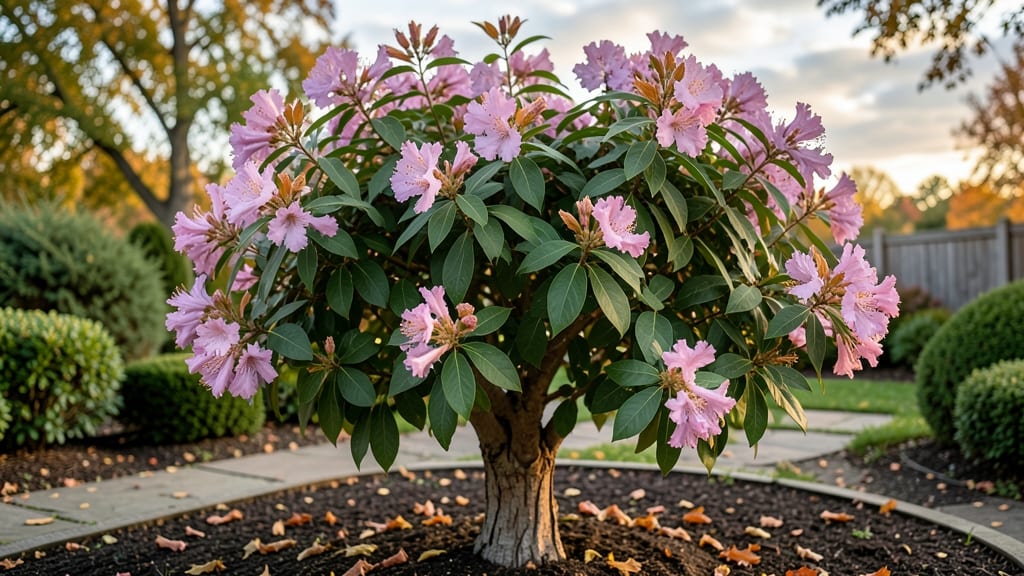
Nothing beats the intoxicating scent of Aphrodite Sweet Shrub blooming in late spring—its fragrant white flowers smell like honeyed jasmine and linger in the air for days. 🌸 I planted mine last year after seeing it described as "the shrub that makes your garden smell like a floral perfume," and honestly, it doesn’t disappoint.
The key to unlocking that signature fragrance lies in the right sunlight, soil, and a little strategic pruning. This shrub thrives in partial shade to full sun, making it perfect for borders, foundation plantings, or even as a standalone focal point.
It’s not picky about soil as long as it drains well—my sandy loam mix works great—and once established, it handles drought surprisingly well. The real secret? Watering deeply once a week during its first growing season to encourage strong root growth.
By summer, you’ll have a lush, fragrant shrub that attracts pollinators and fills your space with a sweet, heady aroma. The flowers are edible too—perfect for infusing syrups, cocktails, or desserts, which is why it’s called a "sweet shrub."
Just be mindful of deer and rabbits, which love to nibble on young plants. If you’re planting one this year, choose a spot where you’ll enjoy its scent daily. With the right care, it’ll reward you with years of effortless beauty—and a garden that smells like a floral dream.
📚 In This Guide
- What you need
- Instructions
- Tips and common mistakes
- Wrapping up and next steps
What you need
- ● 1 cup fresh Aphrodite’s Lace (or similar floral, like roses or violets) – Choose organic, pesticide-free blooms for the best flavor.
- ● 1 cup granulated sugar (or raw cane sugar for deeper flavor) – Adjust slightly if using honey (reduce by 1 tbsp per cup).
- ● 1 cup water (or high-quality vodka for a shelf-stable shrub) – Vodka preserves the shrub longer but isn’t required for fresh use.
- ● 1 small airtight jar or mason jar (16–24 oz) – A wide-mouth jar works best for easy stirring.
- ● Cheesecloth, fine mesh strainer, or coffee filter – For straining out floral solids later.
- ● Wooden spoon or silicone spatula – For gentle mixing.
- ● Funnel – Makes transferring the shrub into bottles easier.
- ● Dark glass bottle (4–8 oz) – For storing the finished shrub (if not using immediately).
- ● Citrus peels (lemon, orange, or grapefruit) – Add a twist for extra complexity (remove after 24 hours).
- ● Vanilla bean or cinnamon stick – Infuse for warmth (remove after 1 week).
Step-by-step guide to growing Aphrodite sweet shrub
Here's how to cultivate this fragrant, floral powerhouse for homemade shrubs and floral infusions.
🌱 Step 1: Choose the Perfect Planting Location
Select a spot that gets full sun to partial shade—at least 6 hours of sunlight daily—with well-draining soil. Aphrodite thrives in slightly acidic to neutral soil with a pH between 6.0 and 7.0. If your soil is heavy clay, amend it with 2-3 inches of compost mixed into the top 12 inches of soil before planting.
This shrub loves warmth but can tolerate light frost once established. In colder climates, plant it where it gets afternoon shade in summer to prevent leaf scorch. I always test the soil moisture before planting—if it feels damp more than 2 inches down, your spot might be too soggy for this shrub.
☀️ Step 2: Plant at the Right Time and Depth
Plant your Aphrodite shrub in early spring, after the last frost date in your area, or in early fall to give roots time to establish before winter. Dig a hole twice as wide as the root ball but only as deep as the container it came in. This prevents burying the stem too deeply, which can cause rot.
Gently remove the plant from its container and loosen any circling roots. Place it in the hole so the top of the root ball sits 1-2 inches below soil level. Backfill with native soil, pressing lightly to remove air pockets. Water deeply right after planting to settle the soil around the roots—you’ll know it’s right when water drains evenly without pooling.
💧 Step 3: Water Consistently for Establishment
For the first 2-3 weeks, water your Aphrodite shrub every 2-3 days to keep the soil evenly moist but not soggy. After that, reduce to once a week, adjusting based on rainfall. This shrub is drought-tolerant once established, but young plants need consistent moisture to root deeply.
Water at the base of the plant in the morning to allow foliage to dry before evening. I always check soil moisture by sticking my finger 2 inches down—if it feels dry, it’s time to water. Overwatering is the biggest mistake here; yellowing leaves usually mean the roots are sitting in too much moisture.
✂️ Step 4: Prune for Shape and Encourage Blooms
Prune your Aphrodite shrub right after flowering in late spring or early summer to shape it and promote bushier growth. Use clean, sharp pruners to cut back one-third of the oldest stems to encourage new growth. Avoid heavy pruning in fall or winter, as this can stress the plant before dormancy.
Remove any dead, diseased, or crossing branches to improve airflow and reduce pests. I also pinch back new growth in early summer to encourage a fuller, more compact shape. Never prune into old wood—always cut just above a leaf node or bud to stimulate new growth.
🌿 Step 5: Harvest and Use the Floral Delights
Harvest the fragrant flowers in the morning after dew has dried but before the heat of the day. Use clean scissors to snip the blooms just above a leaf node. You can use them fresh in floral waters, syrups, or cocktails, or dry them for later use. For drying, tie small bundles of stems and hang them upside down in a dark, well-ventilated space for 1-2 weeks.
To make a simple floral shrub, combine 1 cup of fresh flowers with 1 cup of water and ½ cup of sugar, then let it ferment for 4-6 weeks. Strain and dilute with water before using in drinks or desserts. The key is patience—rushing the fermentation process weakens the flavor and can lead to spoilage.
Tips & tricks for perfect Aphrodite sweet shrub cultivation
Took me a while to learn these tricks—here's how to avoid the most common pitfalls with your fragrant Aphrodite shrub.
Location Intelligence: That 6 hours of sunlight requirement is non-negotiable for strong floral development. If your garden gets afternoon shade, position the shrub where it catches morning sun and early afternoon light instead of direct midday heat. I planted mine near a west-facing wall that reflects sunlight—this gave it an extra 2 hours of light without scorching the leaves.
Planting Precision: The 1-2 inches below soil level rule is critical—burying too deep causes rot, while planting too shallow exposes roots. I use a pencil to mark the depth on the root ball before planting, then verify with my finger after backfilling. For heavy clay soil, mix in 2-3 inches of compost into the bottom of the hole first to improve drainage at the root level.
Watering Wisdom: The 2-3 weeks of frequent watering is where most beginners fail. Use a moisture meter or your finger test 2 inches down—if it feels dry, water deeply until it runs out the bottom. I set a timer for every 2-3 days at the same time each morning to create consistency. Yellowing leaves? You're overwatering. Crispy edges? Time to water more.
Pruning Payoff: That one-third of oldest stems advice works wonders for bushier growth. I prune right after flowering when new growth is already starting—this gives the plant energy to fill out before winter. For the first year, I skip heavy pruning entirely and just remove dead branches to avoid stressing young plants.
Pro Tips for Aphrodite Sweet Shrub
- Took me a while to learn these tricks—here's how to avoid the most common pitfalls with your fragrant Aphrodite shrub.
- Location Intelligence: That 6 hours of sunlight requirement is non-negotiable for strong floral development.
- Planting Precision: The 1-2 inches below soil level rule is critical—burying too deep causes rot, while planting too shallow exposes roots.
Frequently asked questions
How long does it take for Aphrodite Sweet Shrub to produce flowers and syrup?
The shrub typically blooms in 2–3 years from planting, with peak flowering in spring. For syrup, you’ll need to wait until the flowers are fully open (usually late spring to early summer). Patience pays off—once established, it’s a low-maintenance fragrant powerhouse!
Can I make Aphrodite Sweet Shrub syrup without honey? What’s a good substitute?
Traditional syrup recipes use honey, but you can swap it for maple syrup, agave nectar, or even sugar (simmered with water). For a vegan option, agave works well. Just adjust sweetness to taste—this shrub’s floral notes shine bright even without honey!
Why aren’t my Aphrodite Sweet Shrub leaves turning purple like they’re supposed to?
Purple foliage is a sun-loving trait! If your leaves stay green, it’s likely due to shade or poor drainage. Ensure it gets 6+ hours of sunlight daily and well-draining soil. Overwatering can also dull the color—let the soil dry slightly between waterings.
How do I store Aphrodite Sweet Shrub syrup or flowers for later use?
Store unopened syrup in a sterilized glass jar in the fridge for up to 6 months (or freeze for longer). For dried flowers, tie small bundles and hang upside down in a dark, dry place. Once dried, store in an airtight container—perfect for cocktails or baking all year!
Are there any pests or diseases I should watch for with Aphrodite Sweet Shrub?
This shrub is drought-tolerant and pest-resistant, but keep an eye out for aphids or powdery mildew in humid climates. Prune affected areas immediately and ensure good airflow. A neem oil spray can help if needed—most issues stem from overwatering or poor drainage.
Wrapping up and next steps
Growing your own Aphrodite Sweet Shrub is a rewarding journey that blends beauty, fragrance, and culinary creativity! 🌿 Whether you're fermenting floral-infused syrups for cocktails or sweetening desserts, this versatile shrub offers endless possibilities. With the right care and patience, you’ll soon enjoy the rich rewards of your homegrown harvest.
Ready to dive deeper? Start small—plant a few cuttings today! Experiment with flavors, share your creations, and let your green thumb shine. Cheers to your fragrant, flavorful future! 🍹✨